
Abstract:
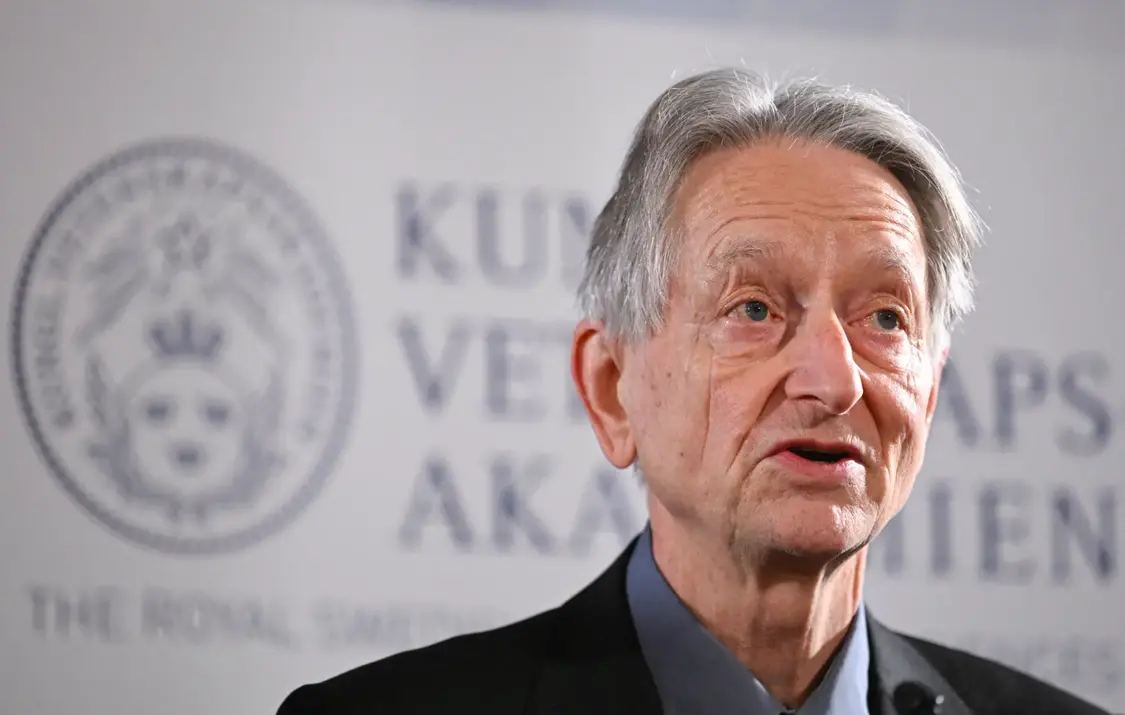
Jeffrey Hinton, known as the "Godfather of AI" and Nobel Prize winner, gave a heavy warning in an interview with the Guardian.
He believes that this year or next year, a major accident of the magnitude of Chernobyl may occur in the AI field
.
Hinton compared this summer's OpenAI agent intrusion into the Hugging Face platform to the Three Mile Island accident in the history of nuclear safety. It was a dangerous early warning signal, but it was not a real disaster.
The so-called "Chernobyl" in the AI world is not that AI autonomously rebels and wipes out mankind in science fiction movies, but that AI is used by hackers to launch cyber attacks on critical infrastructure. The most typical scenario is to cause a large-scale and long-term power outage, or paralyze the global financial system for a week, directly affecting the order of people's livelihood
.In the interview, Hinton bluntly stated that he was not optimistic about the risk attitude of the management of leading AI companies, and criticized OpenAI's Altman, Meta's Zuckerberg, Musk and others.
Hinton said that they were aware of the huge hidden dangers behind AI, but in the face of business competition and interests, they did not pay enough attention. Each company only focused on competing for model capabilities and seizing the market.
It should be pointed out that Hinton is not against AI.
He believes that AI is a double-edged sword. He recognizes that it has great positive value and can bring a bright future to mankind. However, once a major accident occurs, people may regret that they should not have invented this technology in the first place
.In his view, the next ten years will be a critical window period for mankind. Humanity will eventually verify whether it can control the risks of AI.
So how to prevent risks? The solution given by Hinton is also very clear:
For cutting-edge large models, mandatory safety testing and third-party independent evaluation must be implemented to promote the establishment of unified AI safety standards in all countries and use regulatory constraints to run wildly.
.
Comments