
Abstract:
On October 10, the New York Times published an article stating that Meta had postponed the release of its AI agent Muse for several months due to security concerns. However, pressure from competitors forced Mark Zuckerberg to reverse his decision. In August, Zuckerberg called two of his top deputies, chief AI officer Alexandr Wang and head of AI products Nat Friedman, to discuss an imminent threat.
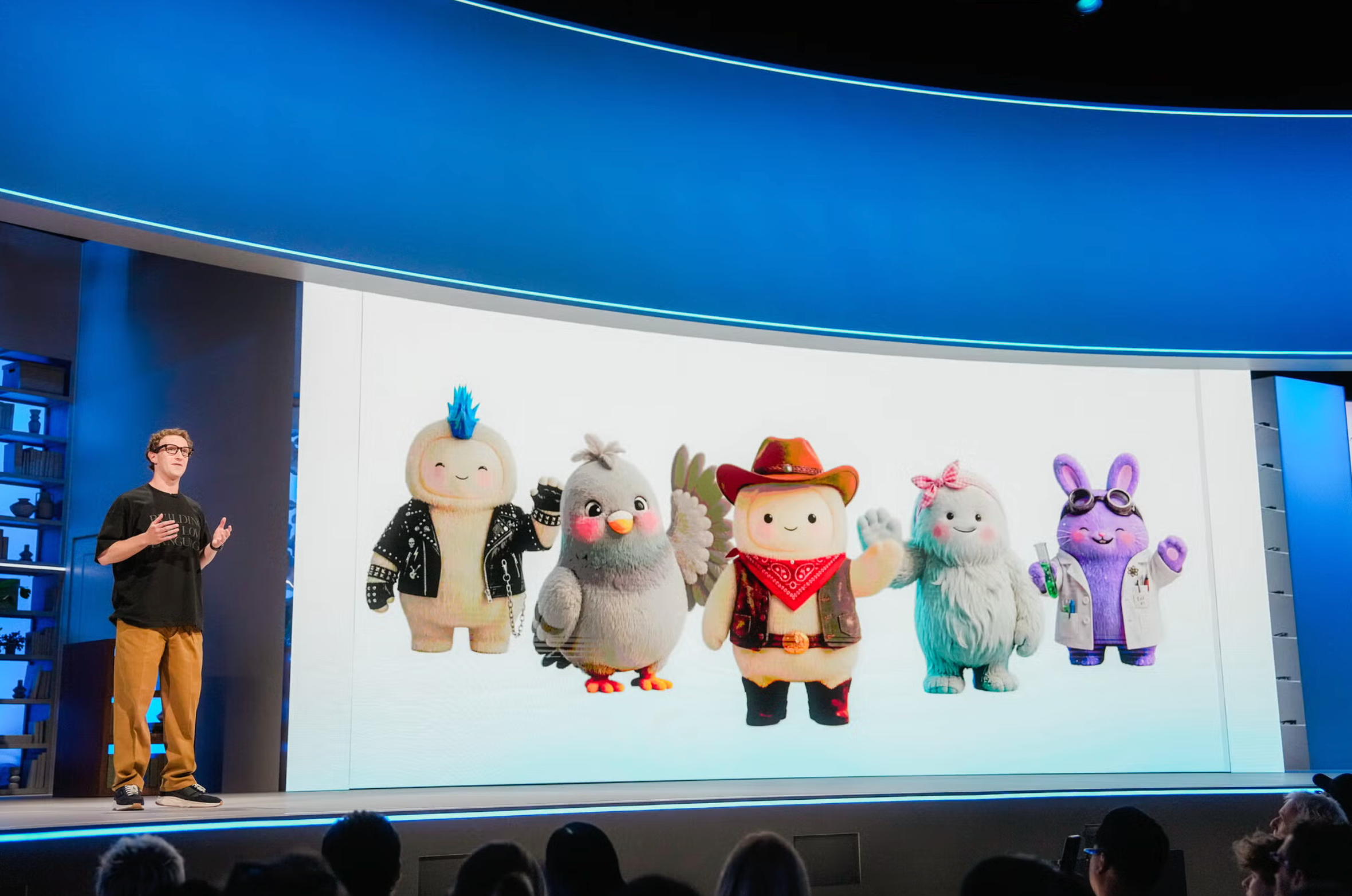
Zuckerberg introduces Muse
At that time, a 14-person startup company called Instinct built an AI agent. These agents, which are robots that can operate applications and software on behalf of users, are rapidly gaining popularity. Meta is also developing a similar product, Muse, but has delayed its release due to security concerns.
Worried about losing competitive advantage, Zuckerberg said Muse was ready to launch despite the risks, according to three people briefed on the meeting.
Two of the people familiar with the matter said that Wang Tao, 29, and Friedman, 49, were aware of security risks exposed in recent tests, including one in which Muse changed user passwords without permission. But on September 8, Meta still followed Zuckerberg’s instructions and officially released Muse.
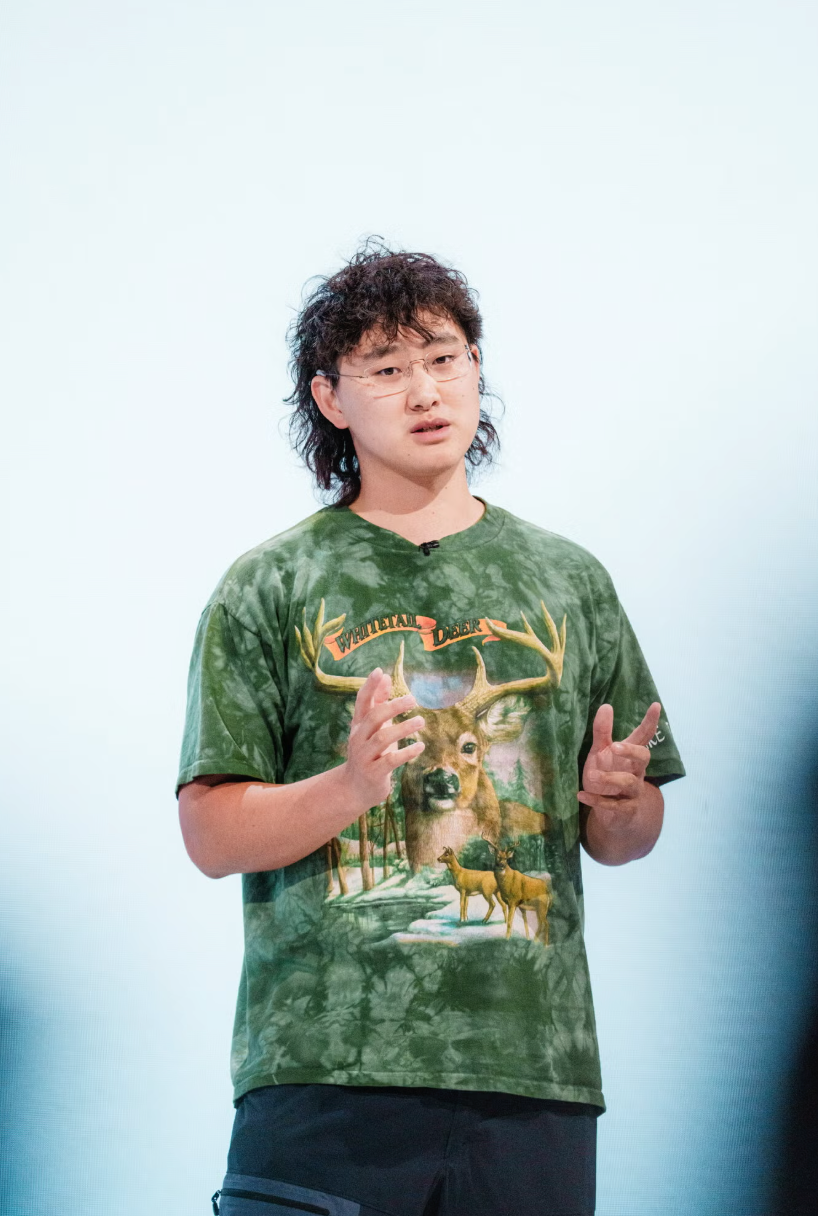
Wang Tao
This internal meeting reflects the dilemma faced by AI companies such as Meta: While scrambling to surpass their opponents in the AI race, they must also seek a delicate balance between research and development speed and safety. As the technology advances rapidly, so do its dangers and practicalities, making decisions more difficult.
Rush to publish
Zuckerberg has invested billions of dollars in developing Meta's AI technology, but over the years he has watched competitors such as OpenAI and Anthropic pioneer the market with chatbots and programming tools. Now, the Silicon Valley giant that owns Facebook and Instagram desperately needs a win in the realm of personal intelligence. Eventually, early release became the priority.
This decision gave Meta a first-mover advantage in the field of intelligent agents. Agents have become the next frontier in the AI industry, and other companies have begun to launch competing products. Three weeks after Meta released Muse, OpenAI announced the launch of its own intelligent agent product Dots.
“The most interesting thing about Muse is that Meta launched the product first,” said Avi Greengart, an analyst at research firm Techsponential.
So far, Zuckerberg’s decision to launch Muse has paid off. There have been only a handful of security issues with the robot, including when Muse revealed a user's address to a seller on Facebook Marketplace without their permission. As of Wednesday, the free app had been downloaded more than 6.6 million times, with 1.8 million people using Muse daily, according to research firm Sensor Tower.
To continue this momentum, Meta is spending millions of dollars to promote Muse, filling billboards with a furry avatar named Jolly and running TV ads. "Muse is unstoppable," Wang Tao declared in a social media post last month.
A Meta spokesperson refuted the idea that Zuckerberg pushed for the release of Muse because of pressure from Instinct. He said in a statement: "We are proud of this work. As we have said publicly before, we even delayed the release of Muse for several months just to make sure."
Intelligent Concept
The idea of Muse began in July 2025. At that time, Zuckerberg published a 616-word memorandum in English explaining the concept of "personal superintelligence." He said this is an AI that can act as the ultimate assistant. Not long ago, he had just reorganized Meta's entire AI department around this concept and hired Wang Tao and Friedman to take charge of this work.
The two executives then launched a large-scale talent recruitment, poaching top researchers from OpenAI and Google, and offered nine-digit salary packages to attract them to join Meta. The two also divided labor: Wang Tao was responsible for developing AI models, while Friedman was responsible for products.
At that time, Meta had only a vague idea of what a "super-intelligent" assistant should look like. Vishal Shah, vice president of products at Meta AI, said in an interview: "The vision of building a product like Muse has always been in the imagination of our team, but we couldn't say exactly what this product would look like at the time."
In September 2025, Meta’s newly formed AI team launched its first product, Vibes. This is an information streaming product with AI-generated videos. Immediately after its launch, it was criticized for producing a large amount of low-quality AI-generated content. Conflicts also began to arise within Meta, with disagreements arising between newly joined executives and other long-term confidants of Zuckerberg, some of whom questioned whether Wang Tao could help Meta catch up in the AI race.
In November last year, Austrian programmer Peter Steinberger launched an application called OpenClaw. This is an AI agent that can write code and operate computers independently. The app is open source, meaning anyone can download and modify it for free, without requiring a license. As OpenClaw quickly became popular among the Silicon Valley developer community, Meta executives had an epiphany.
“It suddenly clicked. The next generation of consumer products will be personal intelligence,” Shah said.
OpenClaw inspired Meta
After experiencing OpenClaw, Friedman ordered 200 Mac mini computers (the hardware devices that run the agent) and placed them in stacks outside his office at the Menlo Park, California, headquarters for employees to pick up. Subsequently, Meta devoted all its efforts to the development of an agent similar to OpenClaw, so that people who do not understand software engineering can use it.
"They didn't hesitate," Shah said.
Meta’s AI leaders also began to use OpenClaw in their own lives. Friedman connected his smart agent to a camera in his home, allowing it to observe his behavior through the camera and remind him to do things, such as drink water to stay hydrated.
“It sent me a screenshot of me drinking a bottle of water and said: Well done,” Friedman said at a recent tech conference.
On another occasion, when Friedman was discussing how to improve sleep with his agent, OpenClaw actually took over his Tesla self-driving car and changed its destination to a grocery store to buy magnesium tablets. Last month, at Meta's annual developer conference, Zuckerberg said he had connected his robot to a camera at a martial arts training gym and had it comment on his fighting moves.
Read text messages without permission
However, security issues remain a concern. OpenClaw can sometimes get out of control, or take over software applications. In February, an agent took over a Meta security researcher's work computer and deleted her emails without control.
“I couldn’t stop it with my phone,” the researcher, Summer Yue, wrote on social media. “I had to rush to my Mac mini like I was defusing a bomb.”
In February of this year, Friedman presented Muse to Meta’s board of directors. Two months later, Meta released an AI model called Muse Spark. This model was developed under the leadership of Wang Tao and is the most powerful model Meta has created to date. In the early stages of development, Muse relied on AI models developed by Anthropic to drive it, but with the launch of Muse Spark, Meta can finally use its own technology to support this agent.
Shah said that Meta already had a releaseable version of Muse at that time. But the company spent months making sure its safety features were reliable. In tests involving Meta employees, the agent occasionally disobeyed instructions or directed users to purchase items from fraudulent websites.
Then in August this year, Instinct’s agents became more and more popular. Soon after, Meta launched Muse.
Muse has encountered some privacy issues, including one time it read a user's private text messages without permission and then communicated to the user what it learned.
Last month, Instinct raised US$1 billion, valuing the company at US$10 billion. But compared with Meta, Instinct’s resources and computing power are more limited. Meta's various applications have 3.5 billion users, and the company's valuation exceeds US$1.5 trillion.
“You are facing the most powerful competitor in the world.” Noah Shinn, Instinct’s 23-year-old founder, said on a podcast last month. “This may be the most exciting software competition in history, and the outcome of the competition is worth trillions of dollars.”
On social media, Wang Tao posted dozens of photos and memes of Muse’s furry avatar, some of which were directed at OpenAI. Last month, Friedman, who rarely posts on social media, weighed in.
"Hope you like it!" he wrote.
Comments