
Abstract:
There is only one major event in the car industry these two days, and that is the brake pedal controversy between the car emperor and Zunjie. What happened was that during the National Day holiday, Auto Media knew that Chedi drove Zunjie's MPV model V800 to do a braking distance test at a speed of 100 kilometers per hour. As a result, during the third full-force braking, the base of the V800's brake pedal broke, causing the pedal to fall off.
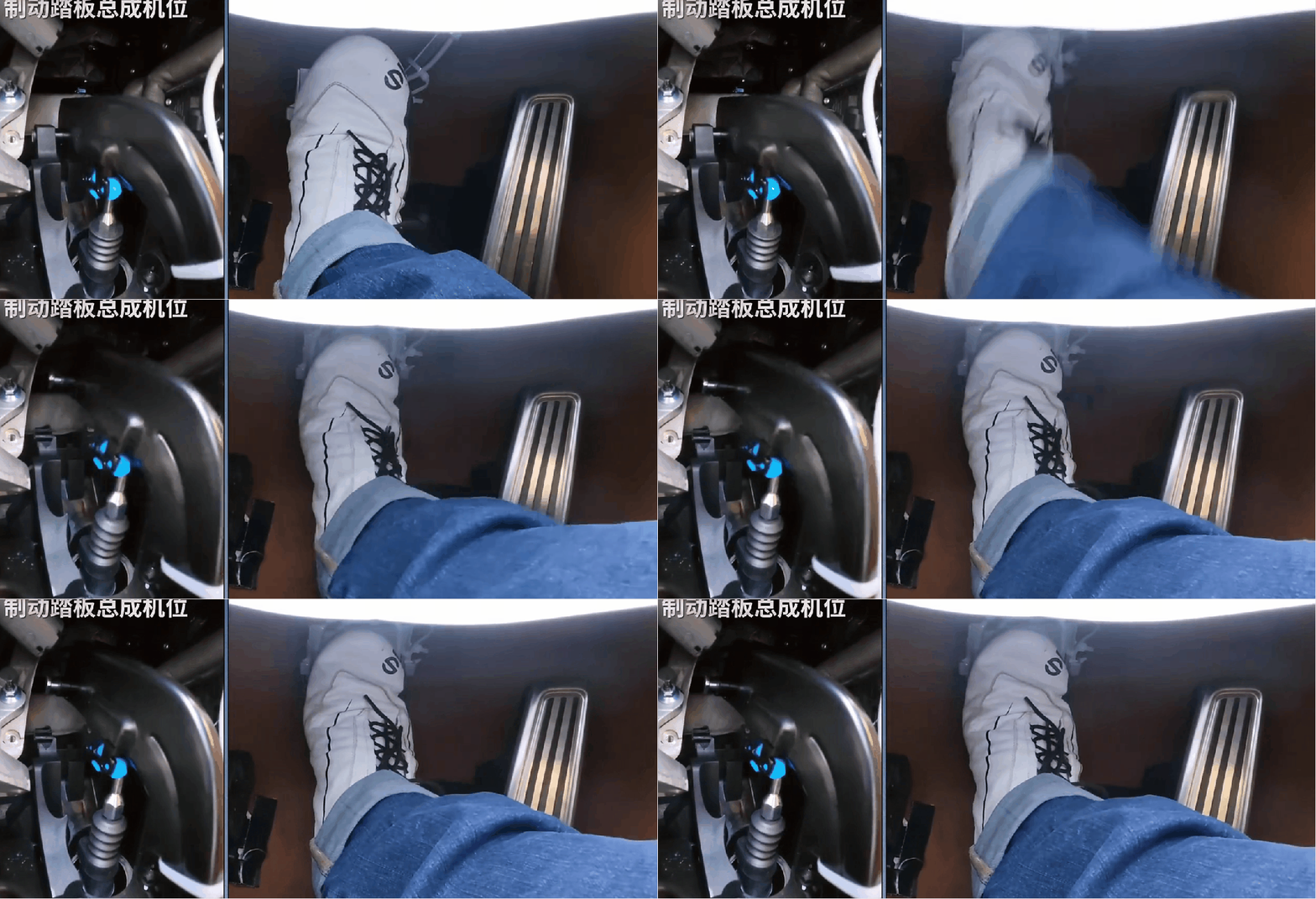
Two days later, Mr. Chedi used the second car for a retest, and the base broke again when the car was braked at full strength for the fourth time.
For the third test, I bought a new car from a 4S store and put a pressure sensor on the brake pedal. As a result, when the brake was fully applied for the second time and the pressure reading showed a maximum of 1612N, the brake pedal base still broke.

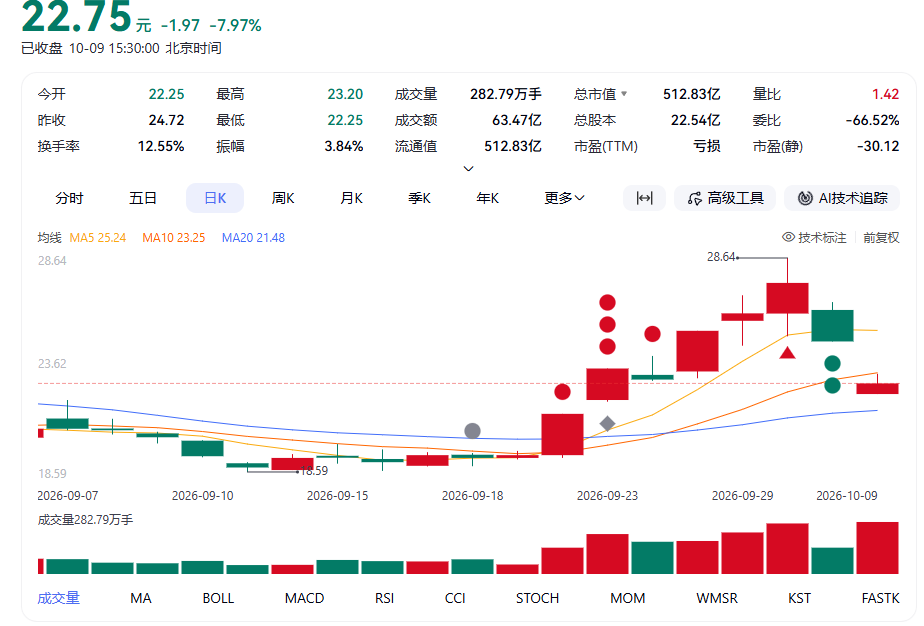
After the video was released, the car industry was like an earthquake. Auto industry groups with bad reviews were chatting, and bloggers on social media were arguing. The stock price of Jianghuai Group, which is responsible for the production of Zunjie V800, was at the limit for two days in a row (it came back a little at the close).
Faced with such huge negative news, Zunjie also gave a formal response on the night when the video of Understanding Che Di was released.
To sum up, the brake pedal of the V800 is higher than the current mandatory national standards and recommended group standards, and users who have already picked up the car have not found any similar faults. But it will also optimize component design and provide free upgrade options to car owners who need it.
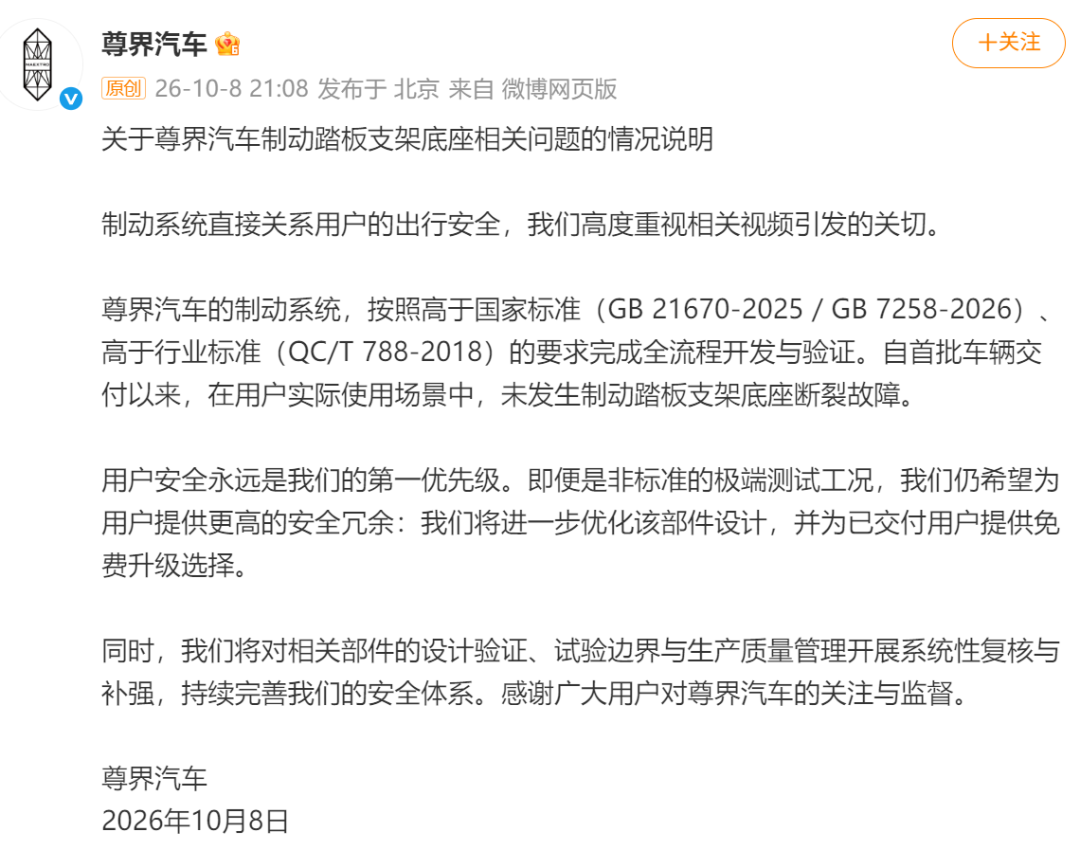
But obviously, this response did not answer the biggest question in people's minds.
After all, in people's simple understanding, the brake pedal is the most important control mechanism in the car, and it should not break when braking. As a car priced in the millions, why does the V800 have such a situation that almost no other car has?
How did the pedal break? Is it a quality problem or a testing problem?
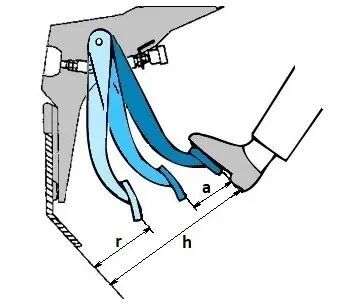
According to the domestic standard system, the only standards directly related to brake pedals and pedal bases are GB 21670-2025 "Technical Requirements and Test Methods for Passenger Car Braking Systems" and QC/T 788-2018 "Performance Requirements and Bench Test Methods for Automobile Pedal Devices."
The former, as a mandatory national standard, has relatively broad requirements for brake pedals. It only states that the pedal and pedal bracket will not deform when the braking system is working normally.
The latter is a recommended industry standard and quantitatively stipulates the strength of the brake pedal device.
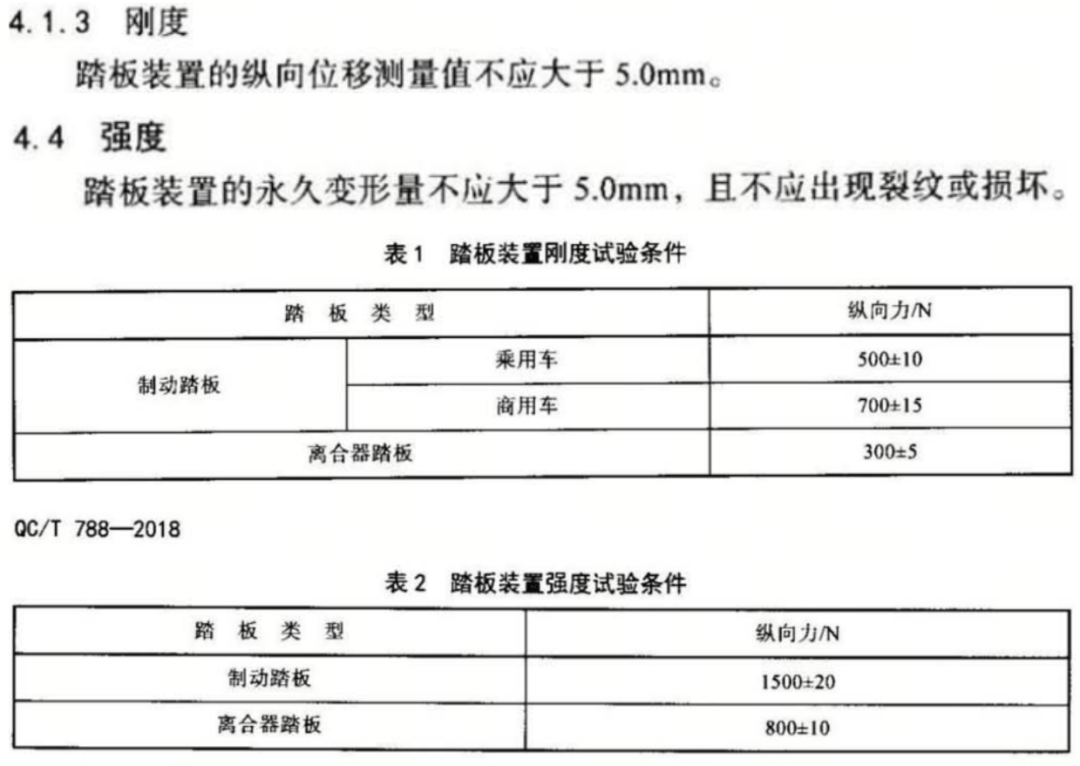
To put it simply, after pressing 5 times with a force of 500±10N and 5 times with a force of 1500±20N, the longitudinal displacement and permanent deformation of the pedal device cannot exceed 5mm, and no cracks or damage can occur.
The regulations in Europe and the United States are similarly broad.
The only one with quantitative requirements for strength is the brake system integrity test in the United States' FMVSS 135, which requires ensuring structural integrity in various projects under a pressure of up to 1000N.

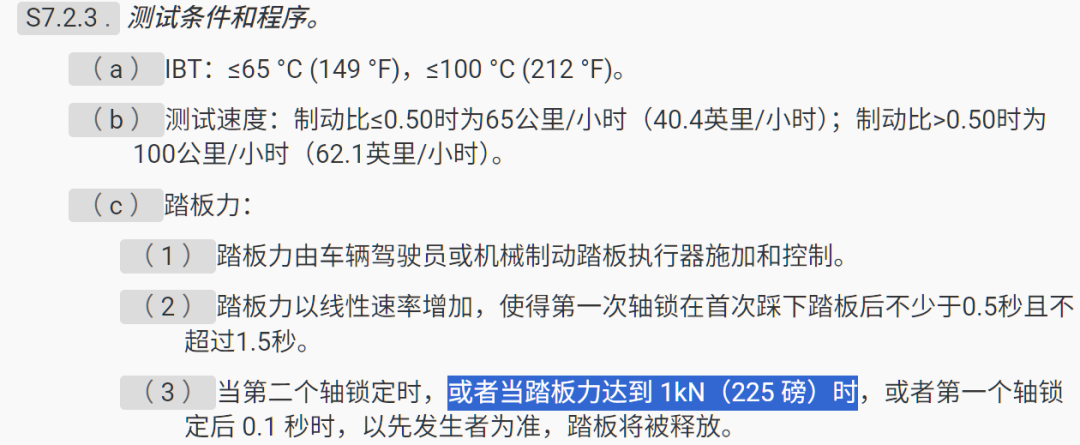
So assuming that the strength of the 1612 N pedal that broke during the test is correct, the strength of the Zunjie pedal is indeed above the current standards.
But everyone knows that standards are standards and reality is reality.
Many times the testing procedures in the standards do not actually represent the real world situation. The battery life of electric cars is like this, the fuel consumption of gasoline cars is like this, and the force on the brake pedal is like this.
In the real world, because the driver's size and strength are different, the vehicle speed, environment and even the force exertion method that requires braking are different, the final force on the brake pedal will also fluctuate within a huge range.
For example, Volvo mentioned in a paper published more than 20 years ago that when 35 drivers they recruited used a simulator to perform emergency braking, not only the position of the brakes was different, but the braking force was also very different.
The subject with the smallest strength only stepped out 116N, but the one who stepped the hardest directly stepped out 1793N.
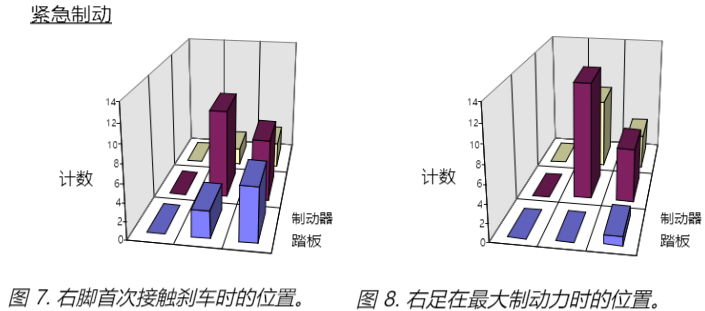
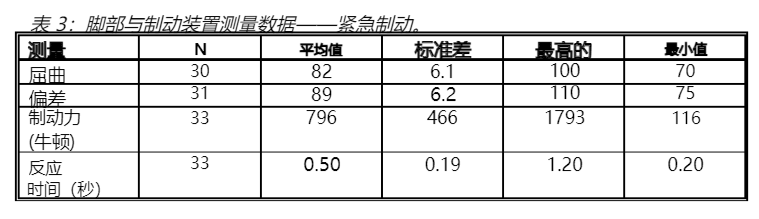
This is only data measured under the speed limit conditions of that year. If the speed is faster and the weight of the vehicle is greater, after the driver's braking force is superimposed on the vehicle's deceleration, the maximum force that may be exerted on the brake pedal is even more difficult to estimate.
For this reason, in order to allow everyone to achieve stable braking under all circumstances, not only the aforementioned industry standards are discussing increasing the pressure of the strength test from 1500N to 2000N, but now most car companies have designed a large enough margin for the performance of the pedal assembly.
There is a lot of public data. For example, General Motors has limited the extreme load of pedal force to 2700N in its engineering specifications. BMW, Bosch and Volvo have also stipulated the upper limit of pedal force of 2500-3000N in their respective patent documents.
The most outrageous thing is Porsche. It can be seen in the public documents of brake pedal assembly supplier BOGE that the design indicator for the Porsche MSB brake assembly is that it can withstand more than 5000N of force at normal temperature, and can withstand 4000N and 6000N respectively at a high temperature of 80 degrees and a low temperature of minus 35 degrees.
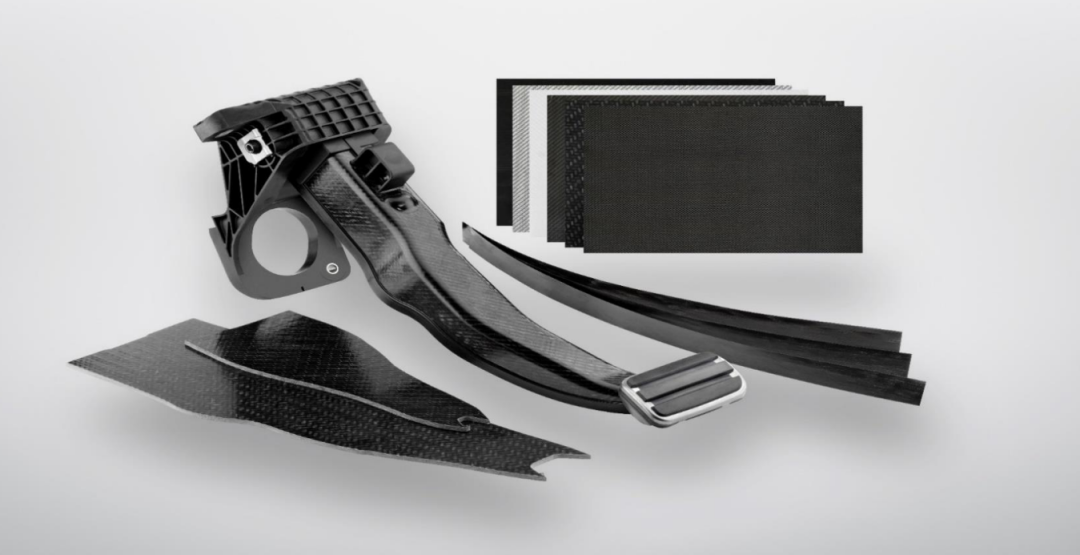
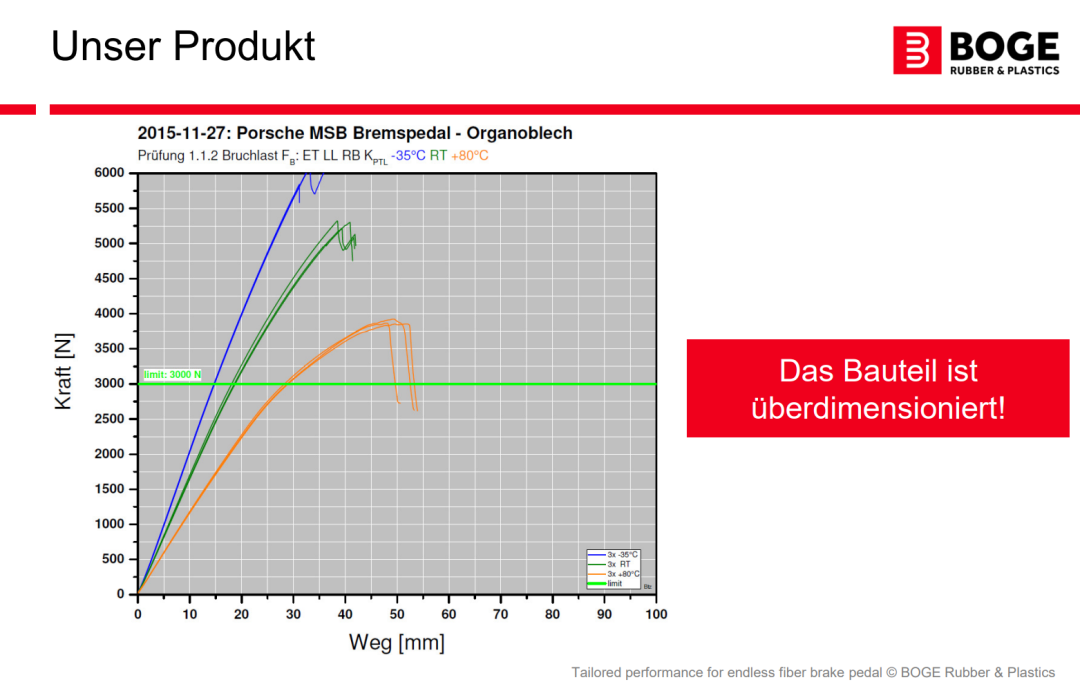
So it is obvious that the brake pedal assembly is the same as the entire vehicle. Meeting the standards is the basic requirement. Only by withstanding the environmental tests of high temperature, high altitude and high cold can we be confident that people will not be damaged when driving.
For this reason, when there is a risk in the brake pedal, car companies and regulators will be particularly vigilant.
For example, in 2020, Ford's Mustang sports car changed the brake pedal bracket from nylon to polypropylene material, causing 6 cars to break the pedal pivot when braking hard.
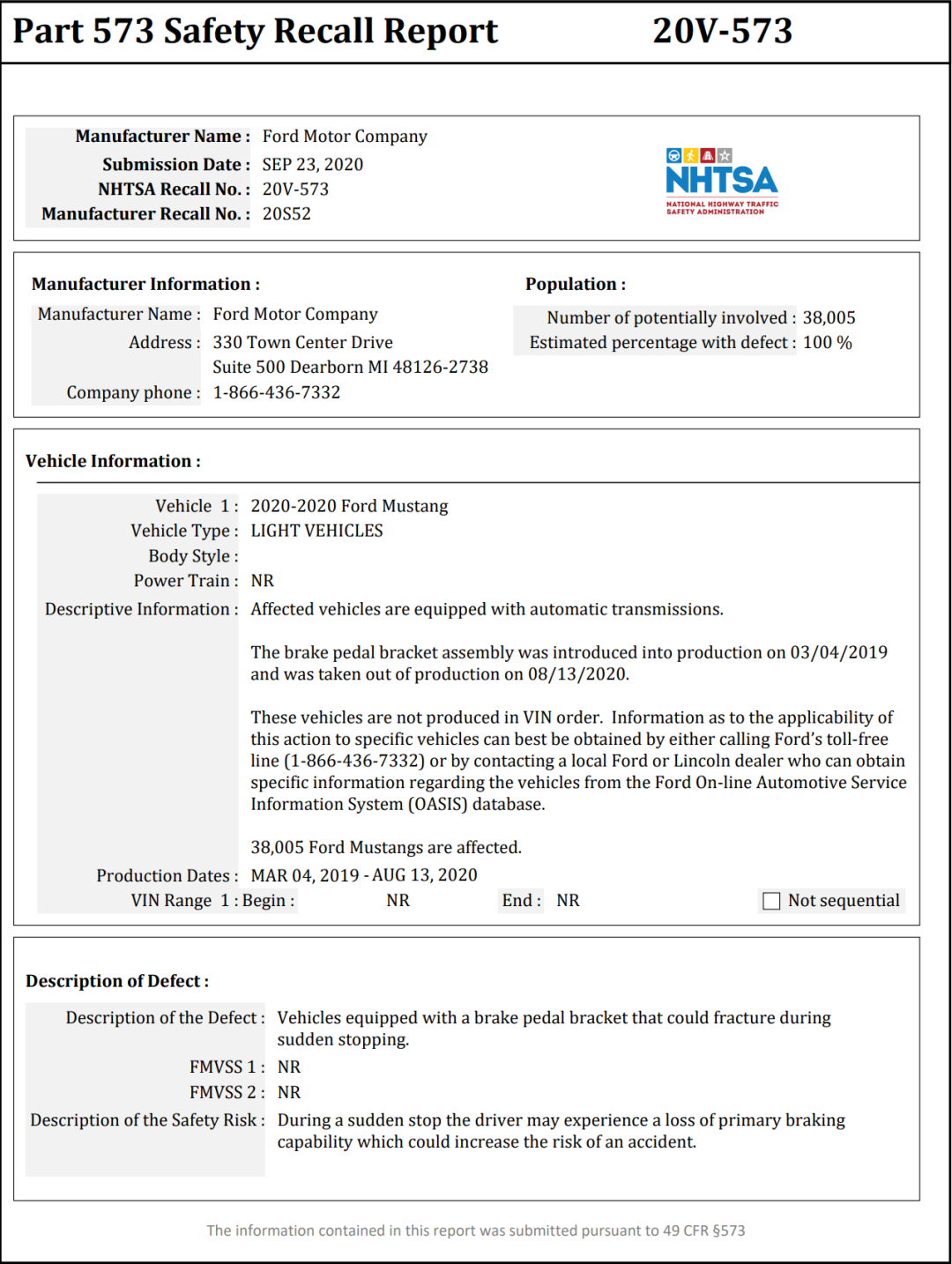
For this reason, Ford recalled tens of thousands of Mustang sports cars globally. In the Chinese market, the original recall text issued by the Municipal Supervision Bureau at that time read:
The brake pedal of the vehicles within the scope of this recall did not consider sufficient design margin in the engineering specifications and design verification procedures, and the material of the brake pedal bracket was changed from nylon to polypropylene, resulting in a reduction in the peak braking force load strength of the brake pedal bracket.
During emergency braking, the brake pedal bracket may break at the pedal pivot position, causing the vehicle to lose braking performance, increasing the risk of collision, and posing safety risks.
Insufficient design margins and safety hazards are directly equated.
So from the perspective of open standards, the conclusion we can draw so far is that if the test process of the car driver is objective enough and the instrument readings are accurate, then although the brake pedal strength of the Zunjie V800 is higher than the current industry standard, there may be a question mark as to whether the safety margin of the parts is high enough.
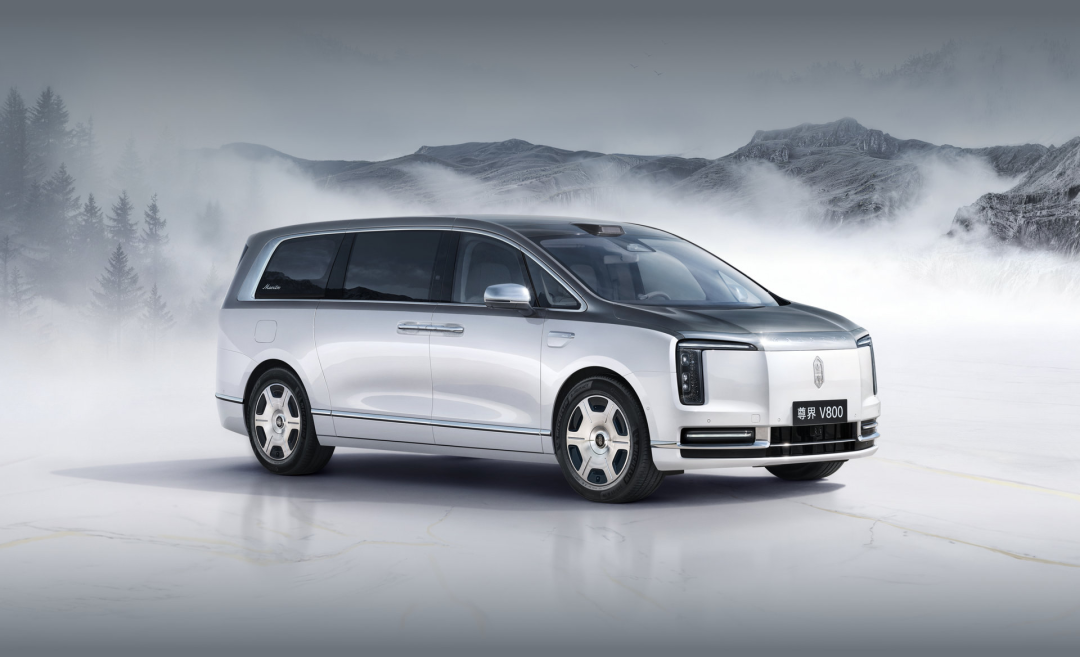
As for the specific design and technical reasons that affect the strength of Zunjie's pedals, as of the time of publication, Dicchedi has not announced the cross-sectional analysis of the damaged parts. Zunjie has not released any more technical details except the previous announcement.
At present, most of the speculations on the Internet are based on the video of the car emperor, and there are some reasonable and unreasonable ones. Therefore, before the formal technical investigation results come out (if there are any), I still hope that everyone will not be led away.
Here Neck Brother picks a few mainstream opinions to help everyone analyze.
The first is the controlled breakage school. The core of this type of analysis is that the breakage of the brake pedal is designed in advance to protect the driver's legs from impact and injury in the event of an accident.
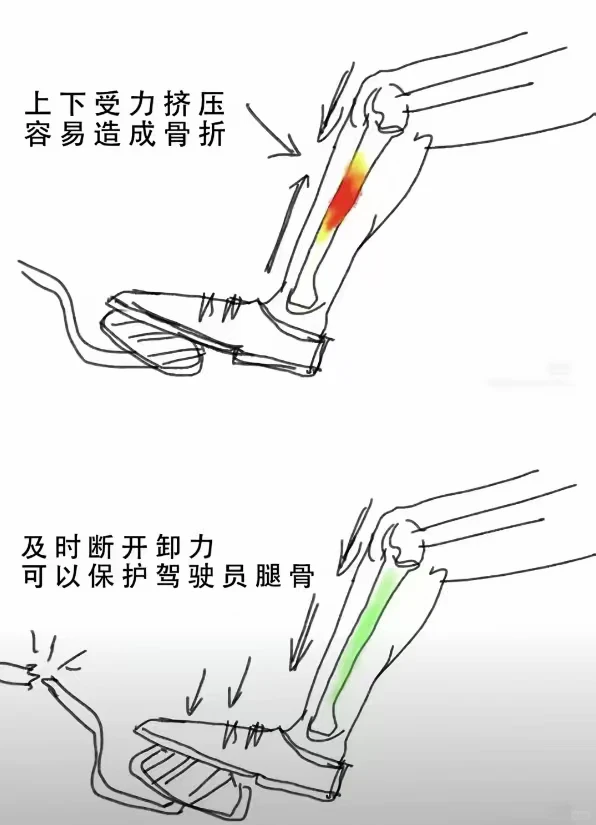
The theory is indeed established, and there are indeed many mass-produced cars that do this, but whether it is the effective scene or form, it is completely different from Baili Brake.
For example, Volvo's brake pedal has an active thermal melting function, which will only take effect when the vehicle detects that a serious collision is imminent. Before a collision, the brake pedal's rotating shaft will actively fuse the limit device, allowing the pedal to move an additional 100 millimeters to give the driver's legs room for collision.
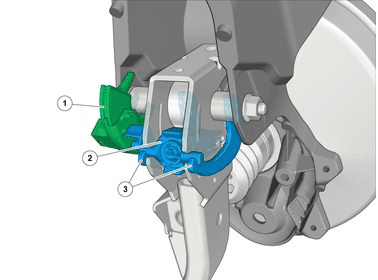
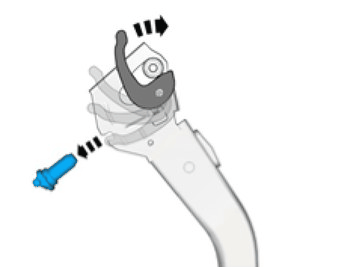
This function will not take effect if it is just a conventional brake like Bai Ling.
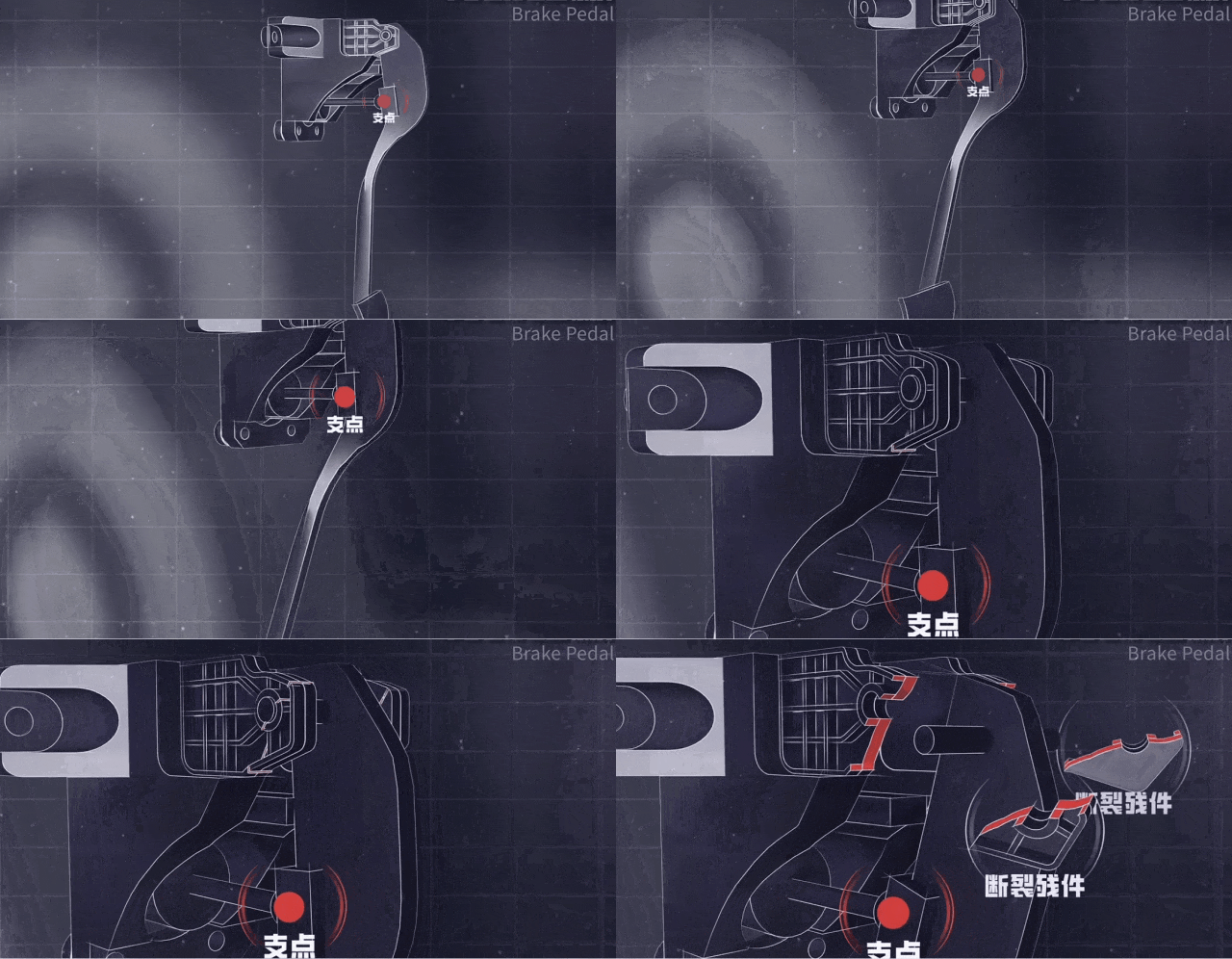
Secondly, there are those who have design flaws. For example, Mr. Chedi said in his video that Zunjie's brake pedal assembly has obvious weld marks at the pivot, which requires a high degree of stress, which will lead to a decrease in structural strength and increase the risk of breakage.
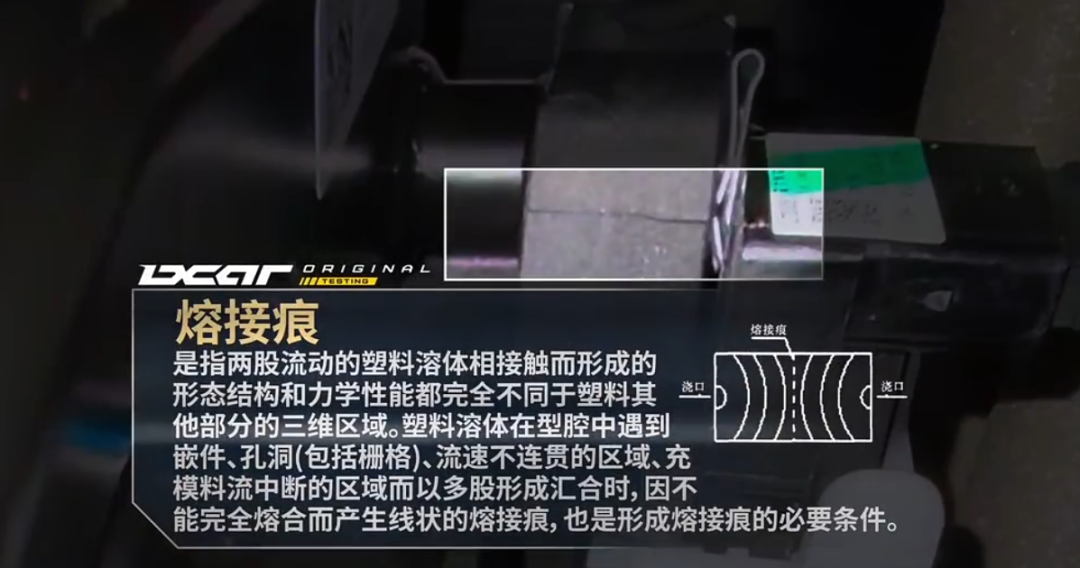
It is true that the welding line is the part where two strands of molten plastic meet and recombine during the injection molding process. Because the fibers of the two strands of material are arranged differently, the material temperature has dropped, and there are tiny bangs and air inclusions at the junction, the welding line is indeed not as strong as other parts of the part.
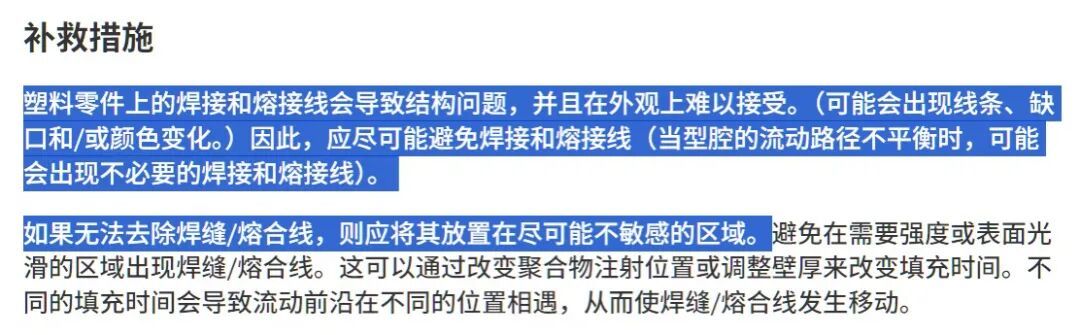
Engineering software companies like Autodesk will also recommend in technical manuals to try to avoid arranging welding lines in areas with strength requirements.

But, are the structural lines we see in the picture actually welding lines? Does the section start from the structural line? Do structural lines affect the strength of parts?
Conclusions on these issues can only be drawn through cross-sectional microscopic analysis and comparative strength tests.
In addition, it is said that Zunjie replaced iron parts with plastic in order to save costs. However, in fact, the cost of fiberglass composite materials is almost the same as that of steel, and its weight is only a fraction of steel. It is also less likely to deform than steel, making it very suitable for use in high-frequency operation structures such as pedals.
There was even a frame taken from the car-savvy video, saying that their host exerted more than 4,000 N of pedal force when braking.
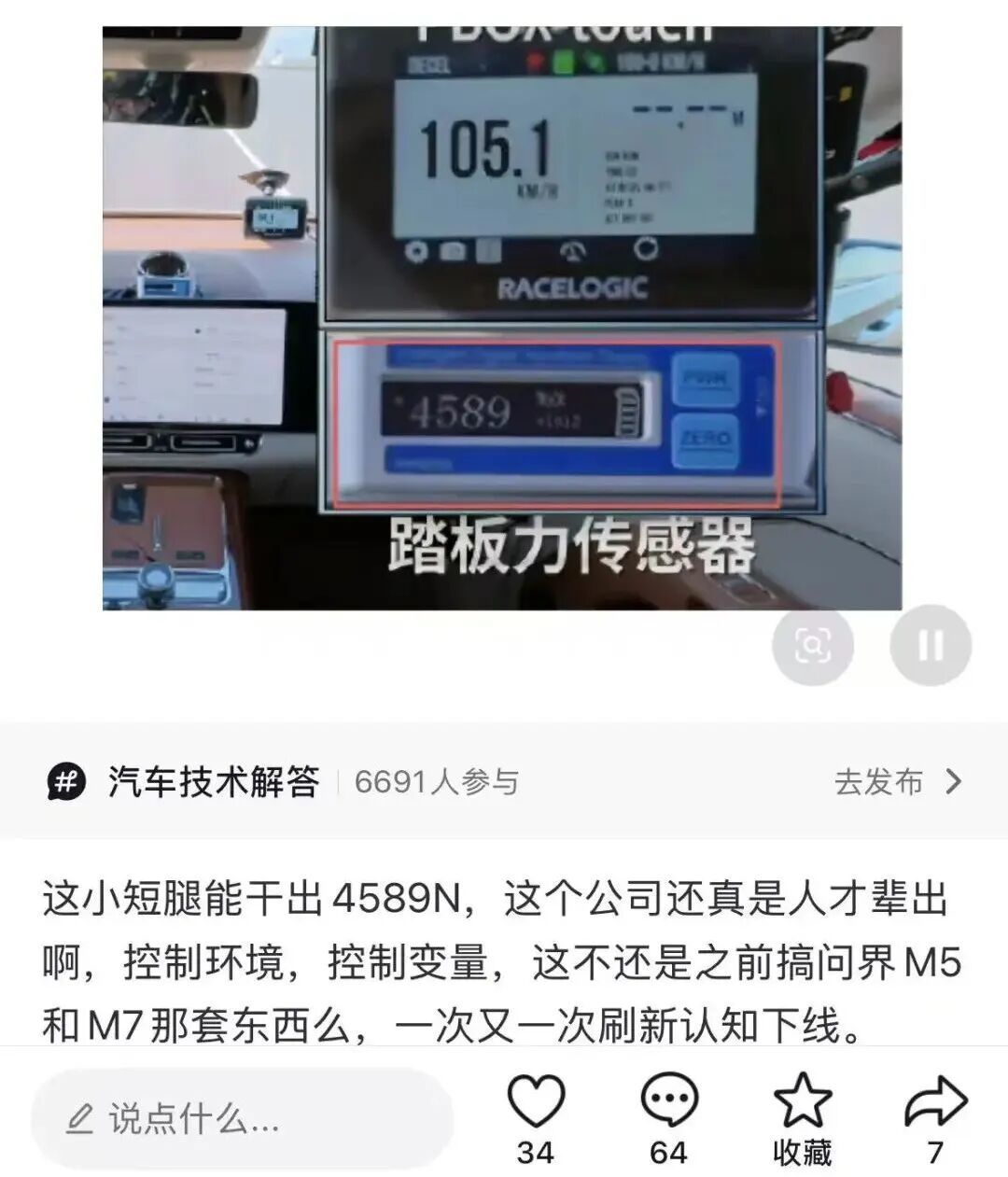
Let’s just say that if anyone can step on more than 4,000 cows, he can basically participate in Avengers 5 without special effects.
So I guess this may just be the occasional value of the sensor under impact, not the actual force.
Other controversies include that the car owner has not disclosed all the pre-production processes for car purchase and preparation for testing, and how he quickly obtained two mass-produced cars in only two or three days when car owners had to wait for several weeks to pick up the car. The car-savvy guy destroyed three cars in one fell swoop, but why is it that no one else on the internet has encountered the same problem?
So, that's probably what happened.
However, due to the lack of a lot of detailed evidence, we still don’t know who the pot that broke the pedal directly belongs to and where it came from.

Although I don’t know if it will eventually turn into a large-scale recall like Ford, but I feel that this time, I understand Chedi and Zunjie, at least it has given the entire industry a wake-up call.
That is, a car can have hundreds of luxurious and intelligent configurations, but in the end, what determines whether people dare to entrust their lives to a car is always the most basic engineering capabilities such as whether it is reliable enough, whether it can brake, and whether it can protect itself at critical moments.
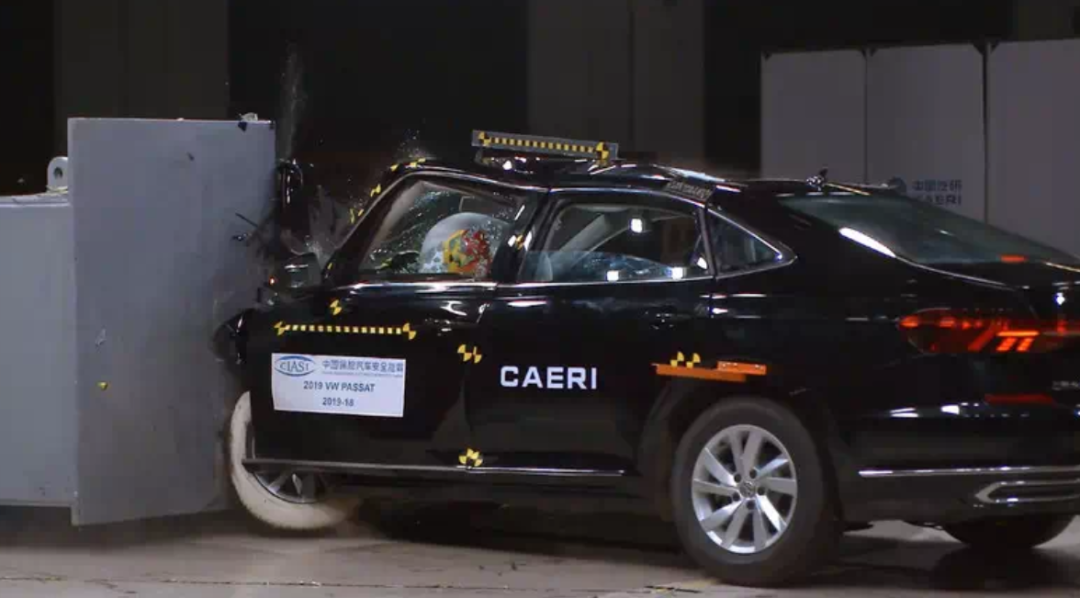
Many once-unparalleled models have stumbled over this matter, such as the Passat, whose sales in the Chinese market have dropped to almost zero due to a broken A-pillar, and the Ford Explorer, which has fallen into a crisis of confidence in the U.S. market due to tire failures.
From the perspective of our audience, Zunjie has made no statement other than a brief response, and the video about Zunjie by Understanding Chedi has been almost removed from the Internet. Brother Neck guessed that it might be because the Cyberspace Administration of China and the State Administration for Market Regulation issued the "Online Testing Activities Standards" some time ago. The tests conducted by non-professional organizations were not standard and may be misleading, so they were complained about and removed from the shelves.
On one side is the public relations rhetoric of car companies, on the other side is the lack of rigorous evaluation by non-professional organizations, coupled with the divergent rhetoric on the Internet, there is currently no answer to the safety and quality issues that people are really concerned about.
This feeling of being a part of the play as a Menggu person is really hard to bear. Perhaps a qualified third-party testing agency can draw a more convincing conclusion for the pedal test.
But Brother Neck is also afraid that passing national standards and industry assessments does not necessarily mean that all problems can be covered. Otherwise, the automobile industry would not have so many various recalls and upgrades.
When it comes to safety, it is never too much to put forward higher and more stringent requirements. Anyone can verbally promote safety, and only good cars can withstand consumers' various extreme working conditions.
We also hope that domestically produced cars can not be coerced in the impatient and cost-cutting automotive industry environment and produce truly proud and classic products.
Comments