
Abstract:
The increasing intelligence of automobiles is making repairs more expensive and slower, and indirectly pushing up insurance costs. A new survey shows that the time lost by U.S. independent repair shops acquiring and using automaker repair software is worth an estimated $12 billion each year.
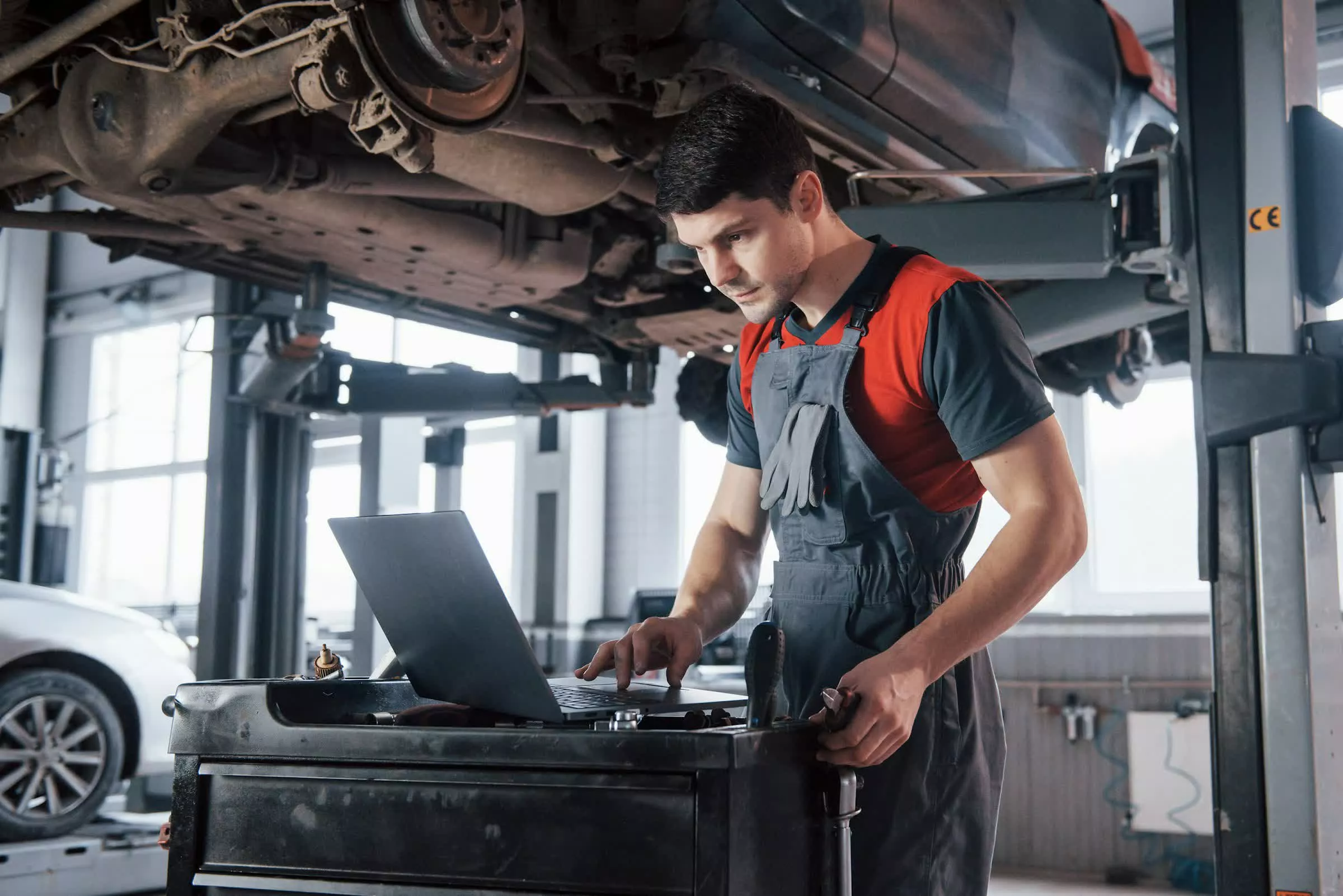
The report titled "Closing Shop" was jointly released by the US PIRG Education Foundation, iFixit and FULU, focusing on the maintenance problems of today's highly electronic vehicles. Finding a faulty sensor, releasing the electronic handbrake, or allowing the vehicle to recognize a replaced part often requires connecting a laptop or tablet to the car, the report noted.

The report author sarcastically stated that the maintenance reminder light showing the wrench on the dashboard should actually be replaced by a laptop computer. In some repairs, technicians even have to pay the car manufacturer for access to the software before they can even start making repairs.
The $12 billion estimate comes from researchers who estimate that about one-fifth of the repairs done by independent repair shops in the United States require the use of manufacturer software. Technicians estimate that it takes an average of 75 minutes to purchase access, download software, log in and wait for the system to respond before completing this type of work.
Nationally, this equates to a loss of approximately 83 million hours per year, roughly equivalent to the annual workload of 42,000 full-time technicians. The researchers calculated these hours at a typical repair shop rate of $140 per hour, which translates to about $12 billion. The software subscription fee itself is not yet factored into this.
Purchasing software may not necessarily solve the problem smoothly. The report cites the experience of one Ford Ranger Raptor owner who replaced a faulty anti-lock brake module, purchased Ford's diagnostic software and purchased a new adapter, but the software then required professional security credentials to reset the anti-theft system. Since the new parts had been installed, the owner said the vehicle either failed to start or stalled after shifting into forward gear.
Another question is whether independent repair shops can afford the cost of software subscriptions for multiple brands. A Nissan dealer can spread the cost of a particular brand's software over a large number of vehicles coming into the shop, but a neighborhood repair shop might see five different makes before lunch.
The survey showed that 88% of technicians surveyed had refused at least one repair in the past year because they could not obtain or afford the software. For the more than 1 million Americans who live more than 100 miles from the nearest Nissan dealer, that could mean additional towing costs.
Going to the dealer for repairs may also result in a higher bill. A 2020 study cited in the report found that Massachusetts dealers charged 36% more than independent repair shops for the same repair items. So if a regular repair shop refuses a repair because it doesn't have access to the required software, the car owner could be paying more for the exact same repair.
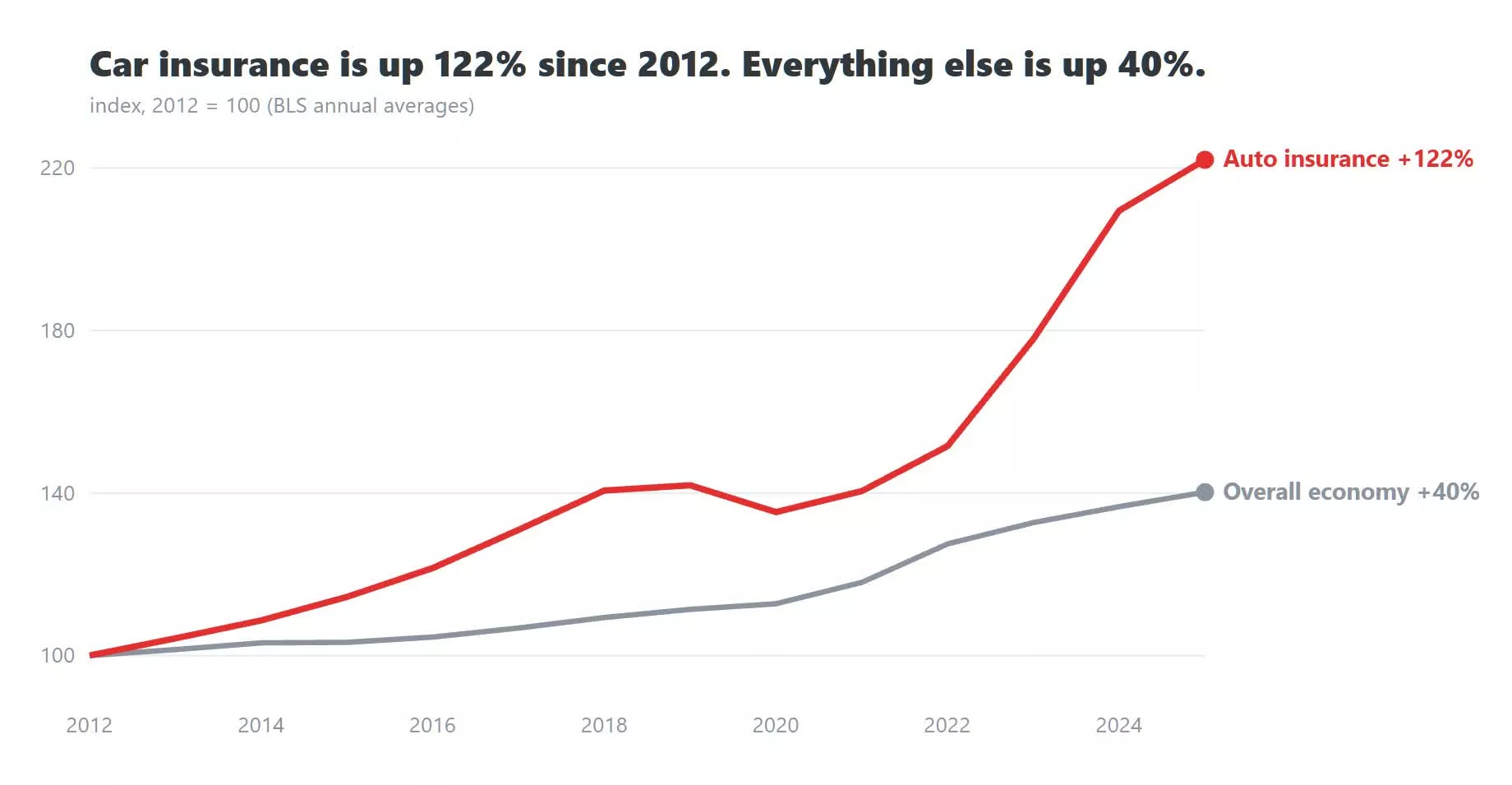
Even if the vehicle has never been to a repair shop, the owner may feel the impact when their insurance comes up for renewal. The more expensive a vehicle is to repair after an accident, the larger the insurance company will face in claims, and these costs may ultimately be passed on to all policyholders’ premiums. The report cited federal data showing that U.S. auto insurance prices have increased 122% since 2012, while overall consumer prices have increased 40% during the same period.
Automakers have previously made concessions to unpopular technology policies. BMW canceled its heated seat subscription service after owners objected to paying extra for hardware already installed in their cars, while Volkswagen promised to restore physical controls for basic functions such as volume and air conditioning.
The report's authors want lawmakers to take further action by requiring automakers to provide basic diagnostic software and repair information for free and limit how much they charge for other repair tools. They worry that if the right to repair is not guaranteed, the more advanced the car technology is, the higher the repair and insurance burden will be for car owners.
Comments