
Abstract:
Logitech recently announced a major upgrade to its Spot smart environment sensor. Through newly added in-depth integration with 10 office platforms, this small sensor originally used to monitor the status of conference rooms is evolving from a simple data collection device to the core perception layer of smart office spaces, allowing offices to automatically respond based on personnel activities and environmental changes.
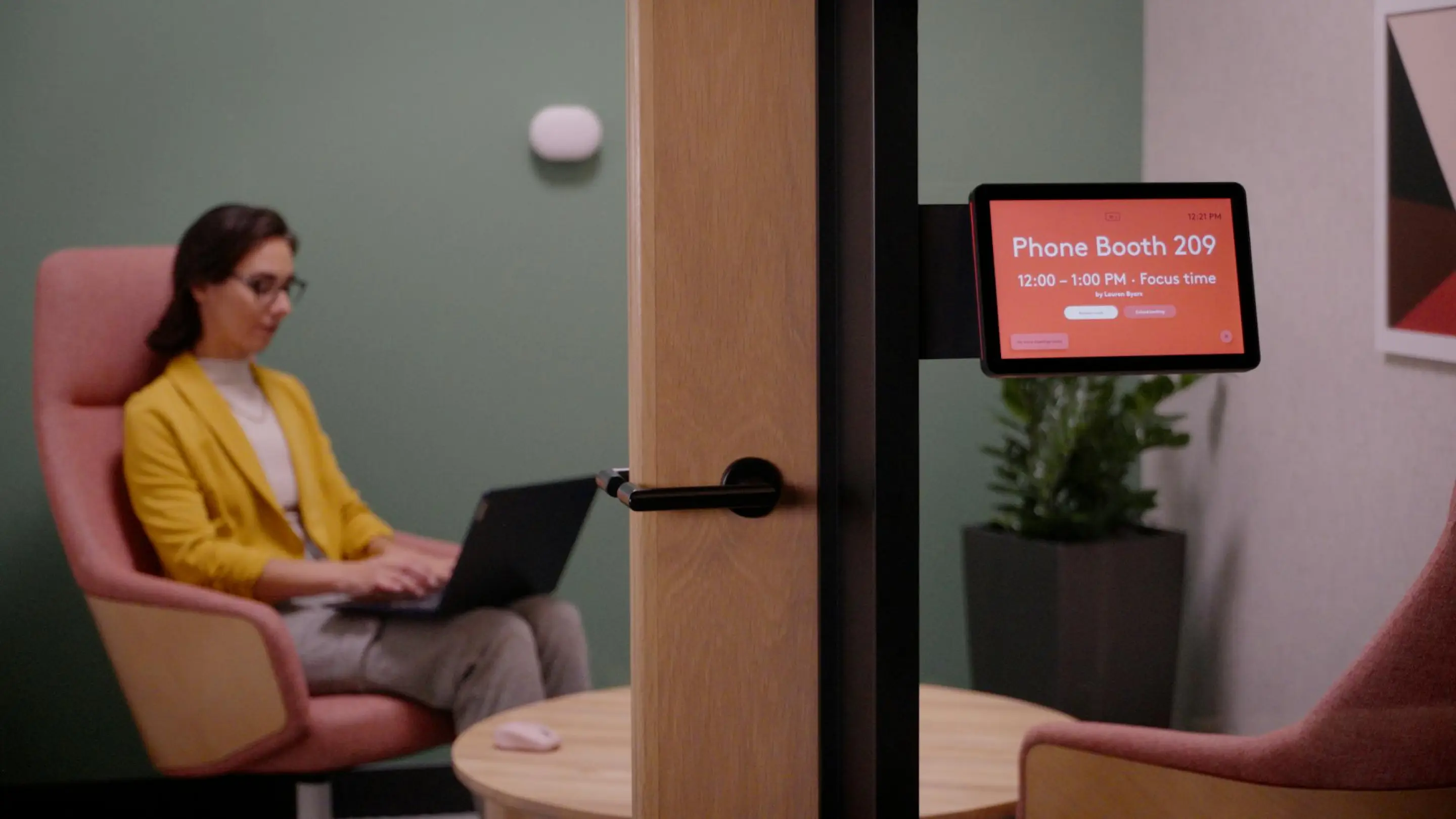
Unlike many independent sensors, the focus of Spot's update is not on the hardware itself, but on the software's ecological connectivity capabilities. Logitech links Spot with conference room reservations, office management, space analysis, audio and video control, and employee experience platforms, so that the data it collects can directly drive actual business processes, rather than just staying in the monitoring panel.
In actual application scenarios, third-party systems can automatically perform various tasks based on the information obtained by Spot in real time. For example, when an employee enters a conference room, the system can automatically complete the room reservation; if no one ends up attending a meeting, the system can also automatically release the meeting space for other teams to use. In addition, the platform can predict how busy an office area will be based on historical usage data and identify areas that have been idle for long periods of time.
From a hardware perspective, Spot still maintains its original design. The equipment uses millimeter wave radar technology, which can detect human activities within a range of about 8 meters and can determine in real time whether the space is occupied. In addition to human presence detection, it also integrates various environmental monitoring capabilities such as temperature, humidity, carbon dioxide concentration, volatile organic compounds, particulate matter, and air pressure.
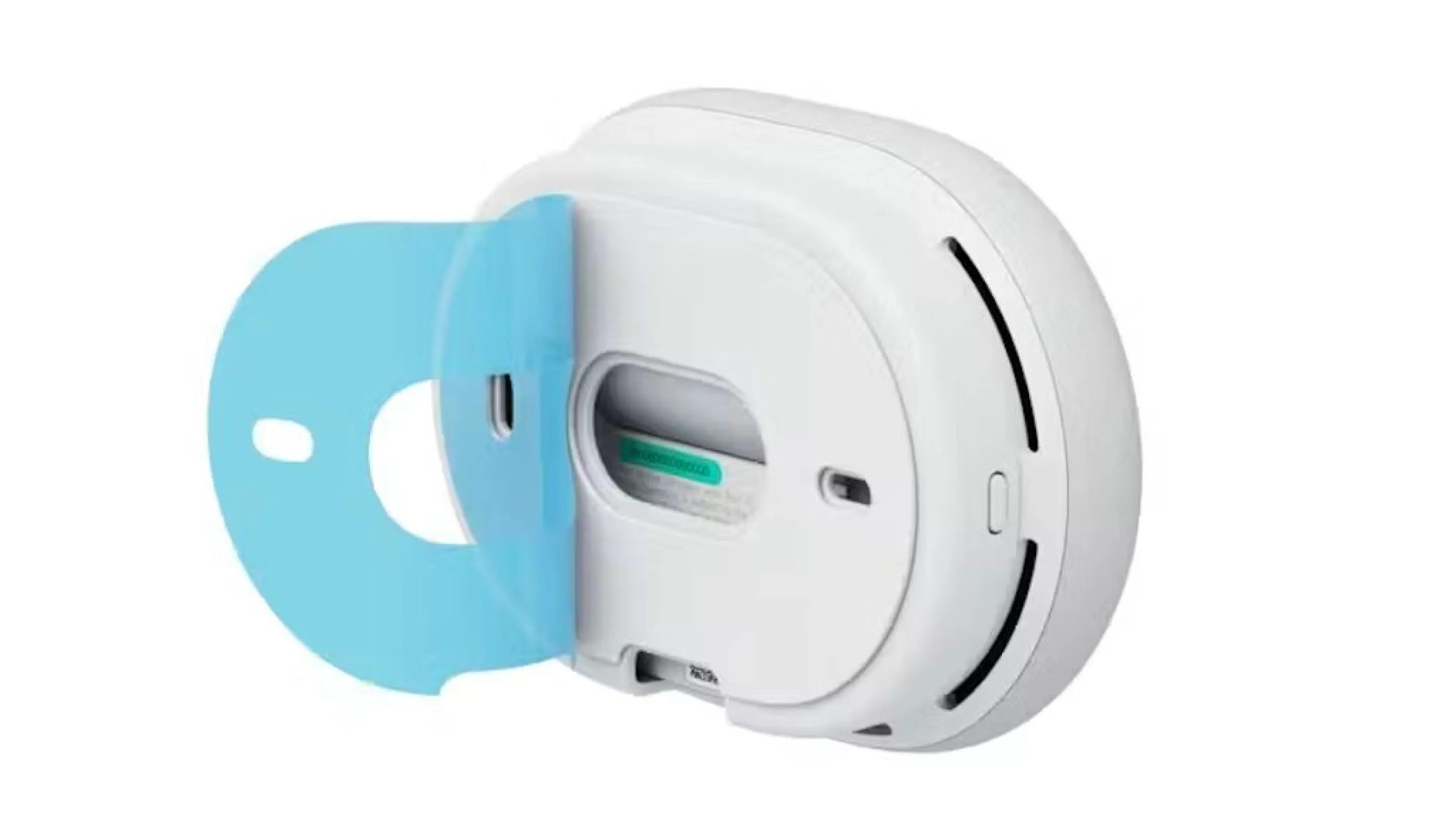
In other words, a Spot device can not only determine whether there is someone in the room, but also continuously monitor indoor air quality and environmental comfort. Through this data, companies can more accurately understand conference room utilization, office environment health and energy efficiency.
In the Logitech Sync platform, relevant data is divided into three categories: "space utilization", "space health" and "space energy consumption". With the opening of new interfaces, these data can now flow directly to external management platforms to achieve more intelligent office automation.
For example, platforms such as Appspace, Robin and Zoom can use Spot's millimeter wave detection data to automatically complete meeting check-in, space reservation and free release, thereby reducing the phenomenon of "ghost meetings" common in enterprises. The so-called "ghost meeting" refers to a situation where a conference room is reserved but not actually used. This problem has long plagued the office resource management of large enterprises.
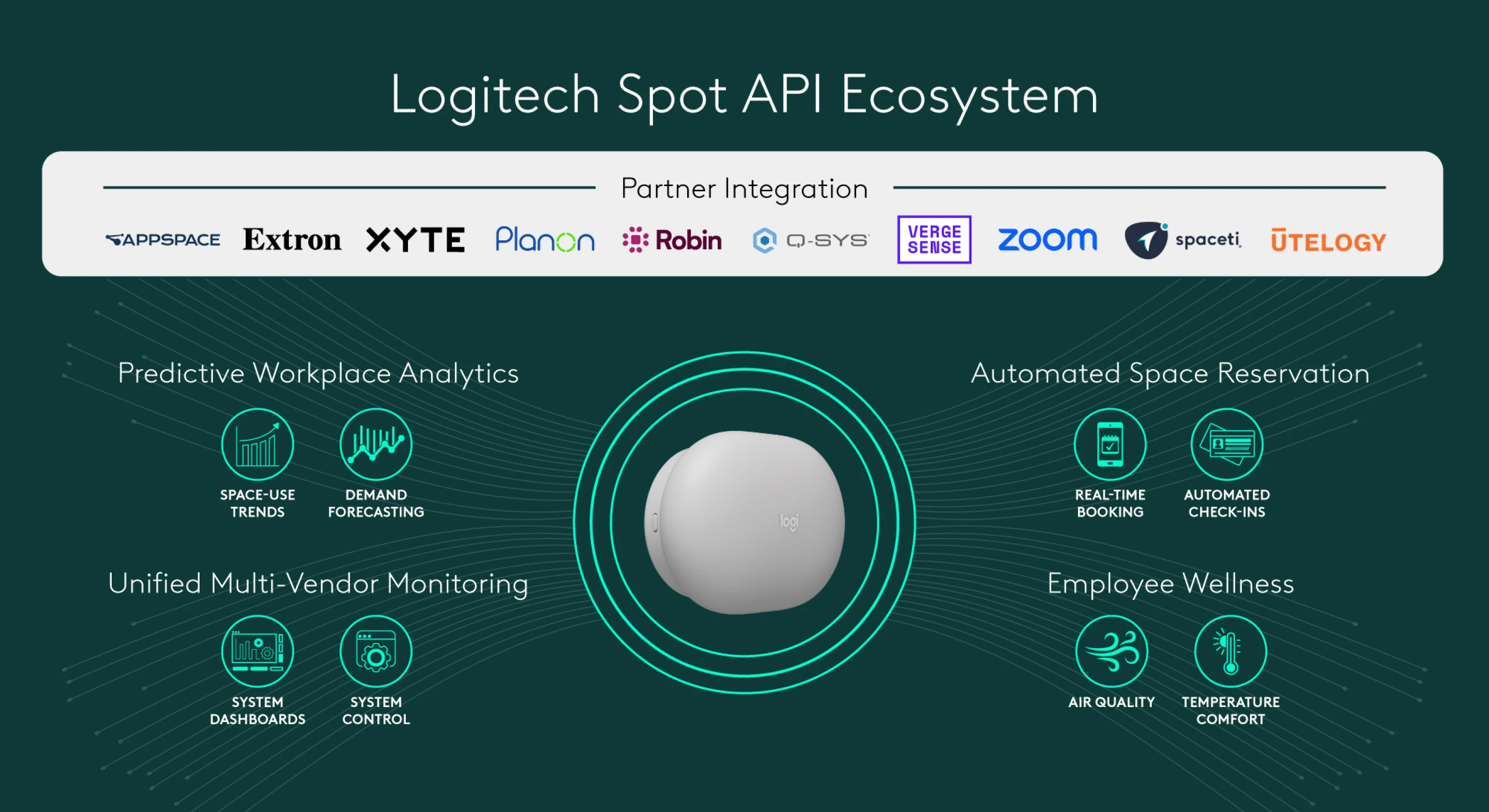
At the same time, platforms such as Planon, Spaceti and VergeSense pay more attention to overall office space planning. They can combine office area floor plans, reservation records and data collected by Spot to predict future office demand and assist managers in finding underutilized areas.
For property management and administrative teams, this means no need to send someone from room to room to check that meeting rooms are actually occupied. With real-time occupancy data, managers can remotely understand the actual utilization of floors and rooms.
At the equipment control level, platforms such as Extron, Q-SYS, Utelogy and Xyte can automatically adjust equipment and environments using the data provided by Spot. For example, when it is detected that no one is in the room, some equipment can be automatically turned off, the lighting intensity can be reduced, or the operating status of the air conditioner can be adjusted to reduce energy consumption.
Air quality management has also become an important application direction of this upgrade. In the future, enterprises can automatically trigger reminder mechanisms based on environmental indicators continuously monitored by Spot. When indoor carbon dioxide concentration rises, air quality declines, or particulate matter exceeds standards, the relevant management system will issue timely notifications to help companies improve their office environment.
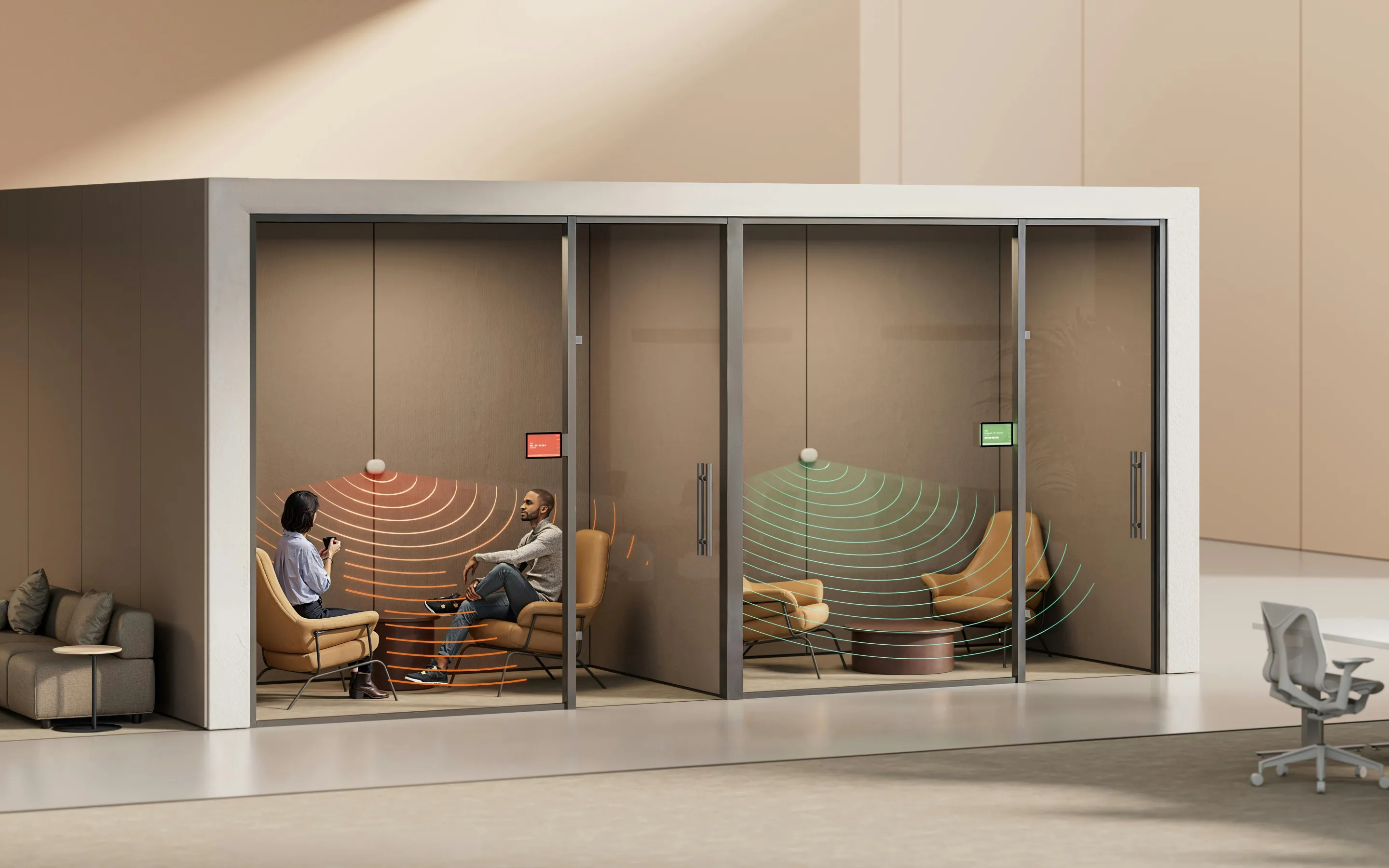
Logitech said that the office of the future should not be just a static space, but should be able to automatically adjust and optimize based on employee behavior. As Spot is connected to more and more office software platforms, enterprises will gain an intelligent office system covering the entire process of perception, analysis and execution.
With the increasing popularity of hybrid and flexible offices, how to improve space usage efficiency, reduce operating costs and improve employee experience is becoming a concern for more and more companies. The intelligent perception layer represented by Spot is also regarded as an important part of the future smart office infrastructure.
Comments