
Abstract:
Samsung recently confirmed that a problematic software update caused some smart refrigerators in South Korea to suddenly stop working, affecting even the most basic cooling functions. Many users found that the refrigerator directly lost power or became stuck during the update process. Later, the SmartThings app showed that the device was offline, and the food inside the refrigerator was spoiled because it could no longer be refrigerated. Since the accident occurred on the eve of the Mid-Autumn Festival, an important holiday in South Korea, a large number of consumers had already purchased food needed for the festival in advance, further amplifying the impact of the failure.
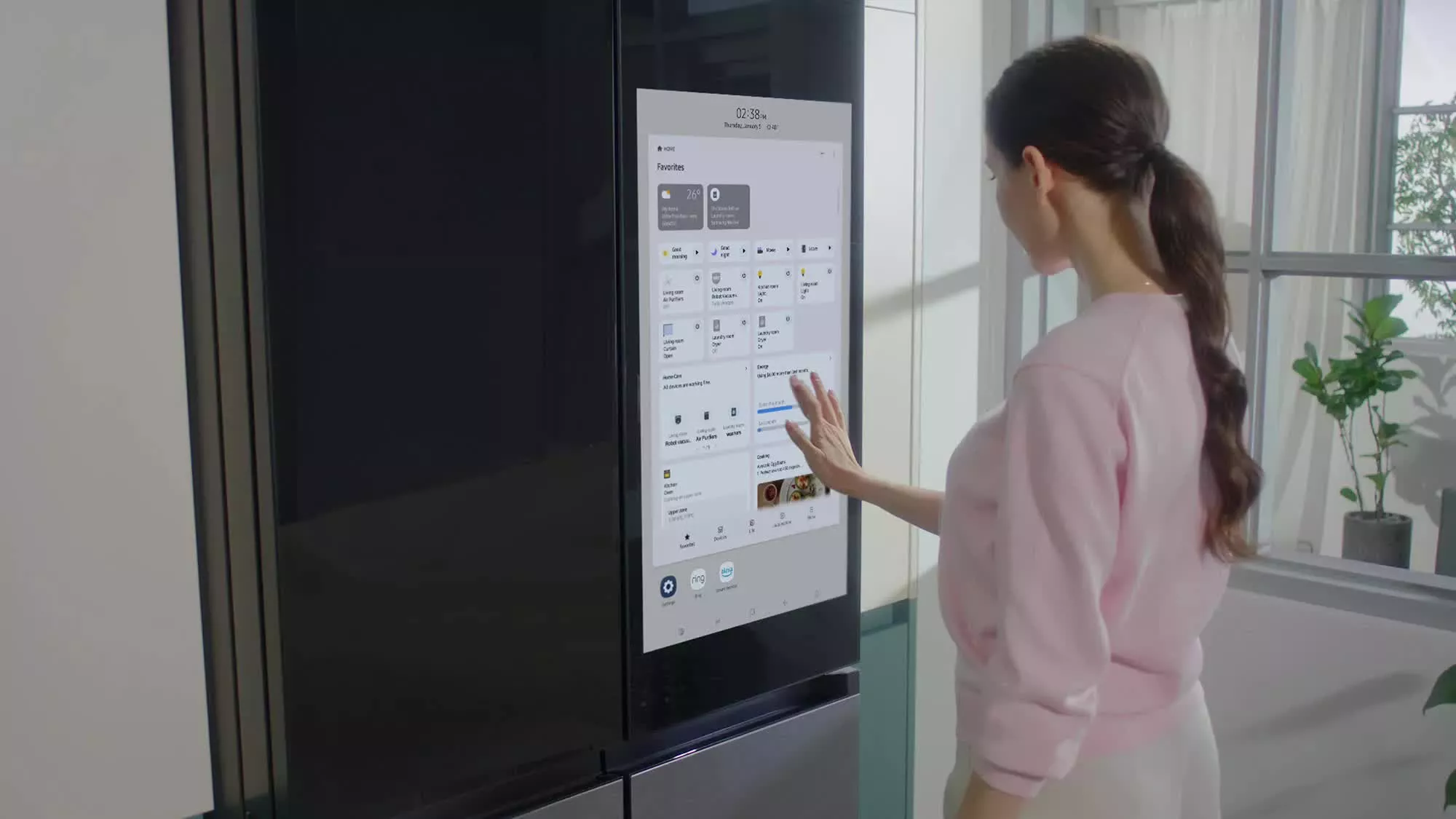
This issue mainly involves Samsung’s Bespoke AI series smart refrigerators. Current public reports mostly focus on some four-door models launched in 2024 and beyond. Users said that after performing a software update through Samsung SmartThings smart home platform, the refrigerator suddenly lost its normal functionality. Some devices directly have a black screen or power outage, while other refrigerators stay on the update interface, and the screen continues to display a prompt message that the SmartThings application is being checked. At the same time, the SmartThings app will mark these refrigerators as offline.
What’s more serious is that this is not a simple display or smart function failure. Some affected refrigerators were unable to maintain normal refrigeration, and the functions of the refrigerator and freezer compartments were abnormal, resulting in a large amount of food stored in them having to be discarded. Some users said that less than a year after they bought their refrigerators, they were unable to use them due to an official software update.
Samsung later confirmed that the problem occurred on the afternoon of September 22, due to an error in the company's internal testing of refrigerator software updates. Samsung said it had immediately stopped relevant testing after receiving feedback from users and activated an emergency response mechanism to have the affected devices handled by Samsung Electronics Service Centers.
Samsung emphasized that the problems discovered so far are limited to the Korean market and that overseas markets have not been affected. The company did not announce the specific affected refrigerator models or the exact number, but South Korean media reported that Samsung has received hundreds of related complaints.
The timing of this outage is particularly embarrassing as South Korea is approaching the Mid-Autumn Festival. The Chuseok Festival is one of the most important traditional festivals in South Korea. Many families will buy meat, seafood, vegetables and other festival foods in advance and store them in the refrigerator. Some affected users said they had stocked up on ingredients for the holidays, but had to throw them all away because their refrigerators suddenly stopped cooling.
Some consumers said that they threw away about 20 kilograms of spoiled food at one time; other users said that the holiday ingredients such as eels and high-end beef that they originally purchased were spoiling because the refrigerator lost its cooling capacity. Some consumers believe that they only performed normal software updates according to the official method provided by Samsung, but they are unable to use the most basic refrigeration function of the refrigerator, which is really unacceptable.
At the same time, some users also questioned the speed of Samsung customer service in the early stages of the incident. Some consumers said that customer service staff told them that the number of technicians who can provide repair services is currently limited, and some repair appointments may even have to wait until October. This means that for some families, refrigerator malfunctions may last throughout the Mid-Autumn Festival.
Samsung subsequently speeded up the process and said it would urgently dispatch repair personnel through its service center. The company had previously promised to restore normal operation of some affected refrigerators before September 24, and said it would give priority to dealing with emergency problems such as the failure of refrigerators to cool.
Samsung said in an announcement to consumers that regarding errors that occurred during the refrigerator software update test on September 22, the company has observed power and screen abnormalities in some user devices, and is currently taking emergency measures through the Samsung Electronics Service Center. If users find that their refrigerators have similar symptoms, they should contact the Samsung service center immediately, and the company will do its best to prevent consumers from suffering losses during the Mid-Autumn Festival.
As for the economic losses caused by food spoilage due to refrigerator failure, Samsung is currently studying whether and how to compensate. The company has confirmed that it will undertake related repairs, but the specific food loss compensation plan and scope of application have not yet been fully announced.
This incident has once again triggered a discussion on the necessity of "smart home appliances". Samsung has been promoting its AI home appliance strategy in recent years and plans to continuously add new AI functions to already sold refrigerators, washing machines and other products through software updates. In early September, Samsung also announced that it would push new software based on Tizen 10.0 to some existing refrigerators and washing machines, allowing older products to gain some features on new models.
From a product concept perspective, this continuous software update can extend the functional life cycle of home appliances, so that consumers do not have to frequently replace hardware due to new functions. But this incident also exposed another side of smart home appliances: when traditional home appliances increasingly rely on complex software systems, a wrong software update may affect the most basic physical functions of the device.
Unlike mobile phones and computers, if there is a problem with the software update of the refrigerator, the consequence is not just that the application cannot be opened or the system interface is stuck. For refrigerators responsible for food preservation, once the refrigeration function stops, a large amount of food may spoil in a few hours or even longer. In some special cases, if the refrigerator is used to store temperature-sensitive items such as medicines, the consequences may be more serious.
This also makes this accident a rather typical case in the smart home field: the software was originally designed to allow home appliances to gain more functions and extend their life cycles, but if there is a serious error in the update mechanism, it may in turn affect the most basic functions of the home appliances.
At present, Samsung has stopped the relevant testing that led to the accident and carried out emergency repairs through the service center. Samsung has not announced the complete list of affected models, nor has it stated what specific technical measures it will take in the future to avoid similar software update incidents from happening again. For Korean consumers, the most practical issue right now is to restore the refrigeration function of the refrigerator as soon as possible, and how Samsung will ultimately deal with the losses caused by food spoilage.
Comments