
Abstract:
In recent years, with the popularity of single-board computers and maker culture, "Cyberdeck" has gradually become a popular project among DIY enthusiasts. Raspberry Pi recently released a set of official production guides to show users how to assemble a highly customizable cyberdeck computer using off-the-shelf hardware and accessories.
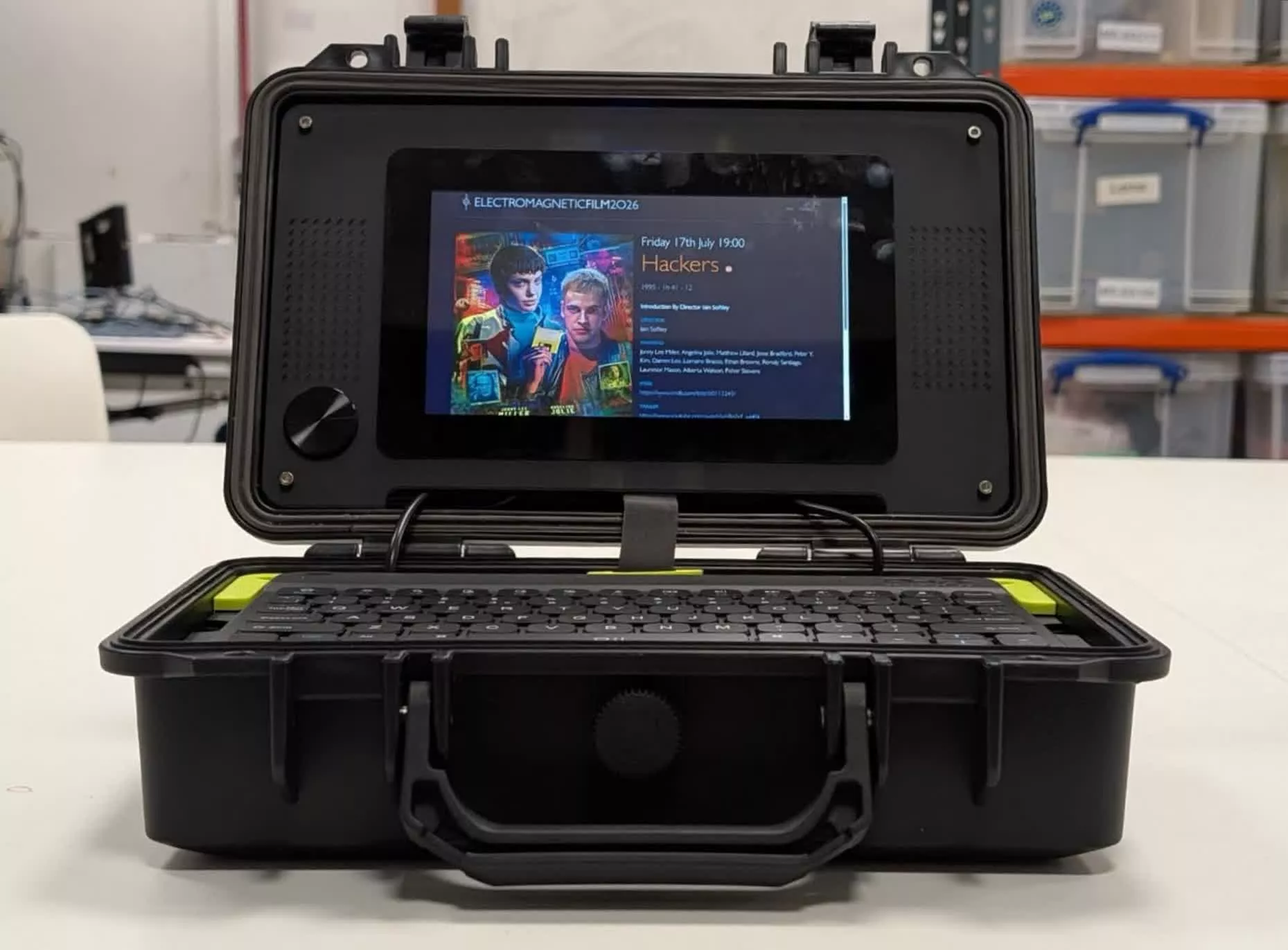
Raspberry Pi said that the maker community has always had a strong interest in this kind of homemade equipment, so it decided to launch an official tutorial to provide a reference for users who want to build a cyber deck by themselves. By its definition, a cyberdeck can be a computing device built from scratch or a specialized machine designed for specific needs. They are usually aimed at special usage scenarios that are difficult to cover with traditional tablets or PCs, but many similar products on the market are actually closer to portable computers with personalized designs, rather than the cyberpunk-style "hacker terminals" commonly seen in science fiction works.
The solution shown by Raspberry Pi installs the entire device in a shell similar to a Pelican protective box, but users can also use a wooden box, briefcase or other container according to personal preference. The core computing unit uses the Raspberry Pi 5 single-board computer. Raspberry Pi believes that this product is very suitable as the "brain" of the cyber deck.
In terms of main hardware configuration, this project uses a 128GB Raspberry Pi Flash Drive. Raspberry Pi claims that this flash drive has higher speed and reliability than ordinary microSD cards. In addition, the device is also equipped with a 7-inch Raspberry Pi Touch Display 2 touch screen with a 1280×720 horizontal resolution; the input part uses a Rii RK302 Bluetooth keyboard, whose ultra-thin design can be almost perfectly placed inside a protective box-type chassis.
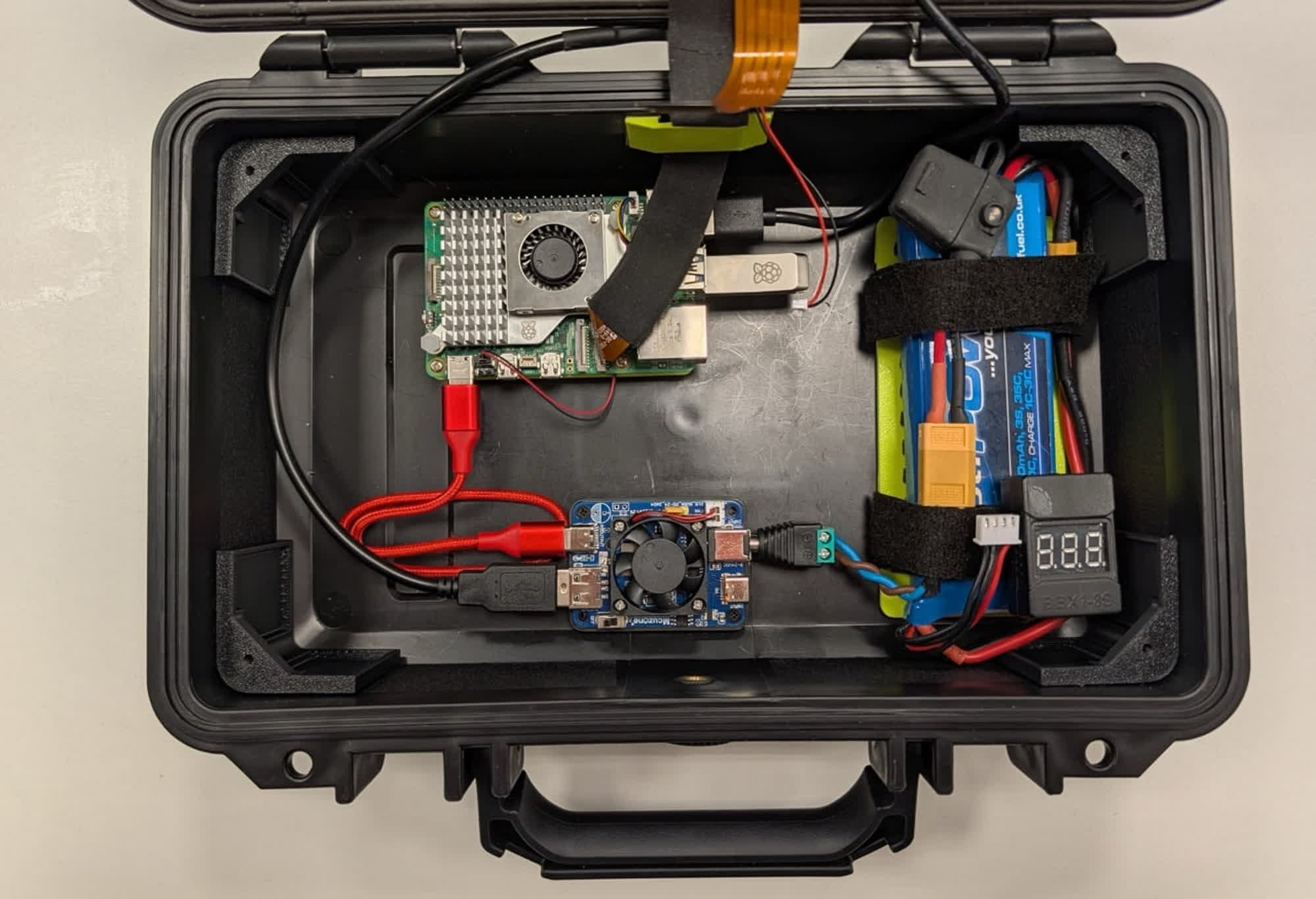
Power supply design is also an important part of the project. Raspberry Pi points out that the Cyberdeck can certainly run on batteries, but using a power bank helps make the layout of the internal components simpler and safer. Users can also choose the Raspberry Pi RTC Battery to provide real-time clock functionality to the device.
The production process of this cyber deck requires certain welding and gluing operations, but the overall threshold is not high. Even DIY novices or computer enthusiasts who only have similar "building block" experience in assembling desktops can still have the opportunity to complete the construction. However, judging from the hardware components required for the project, this tutorial also has obvious product promotion implications, which may further boost the sales of Raspberry Pi-related hardware among the maker community.
This tutorial is also included in the 168th issue of the "Raspberry Pi Official Magazine", and users can read the electronic version for free online; however, the paper version of the magazine seems to have been sold out.
Comments