
Abstract:
According to what insiders and developers have discovered in the latest system firmware, Apple seems to have initiated in-depth software adaptation work internally for the next generation of flagship notebooks. In the code of the upcoming early internal test version of macOS 27.1, a number of underlying drivers and color management configuration files directly linked to high refresh rate OLED display panels have appeared, suggesting that the new MacBook Pro series equipped with OLED screens may have entered the engineering verification and software and hardware collaborative testing stages.
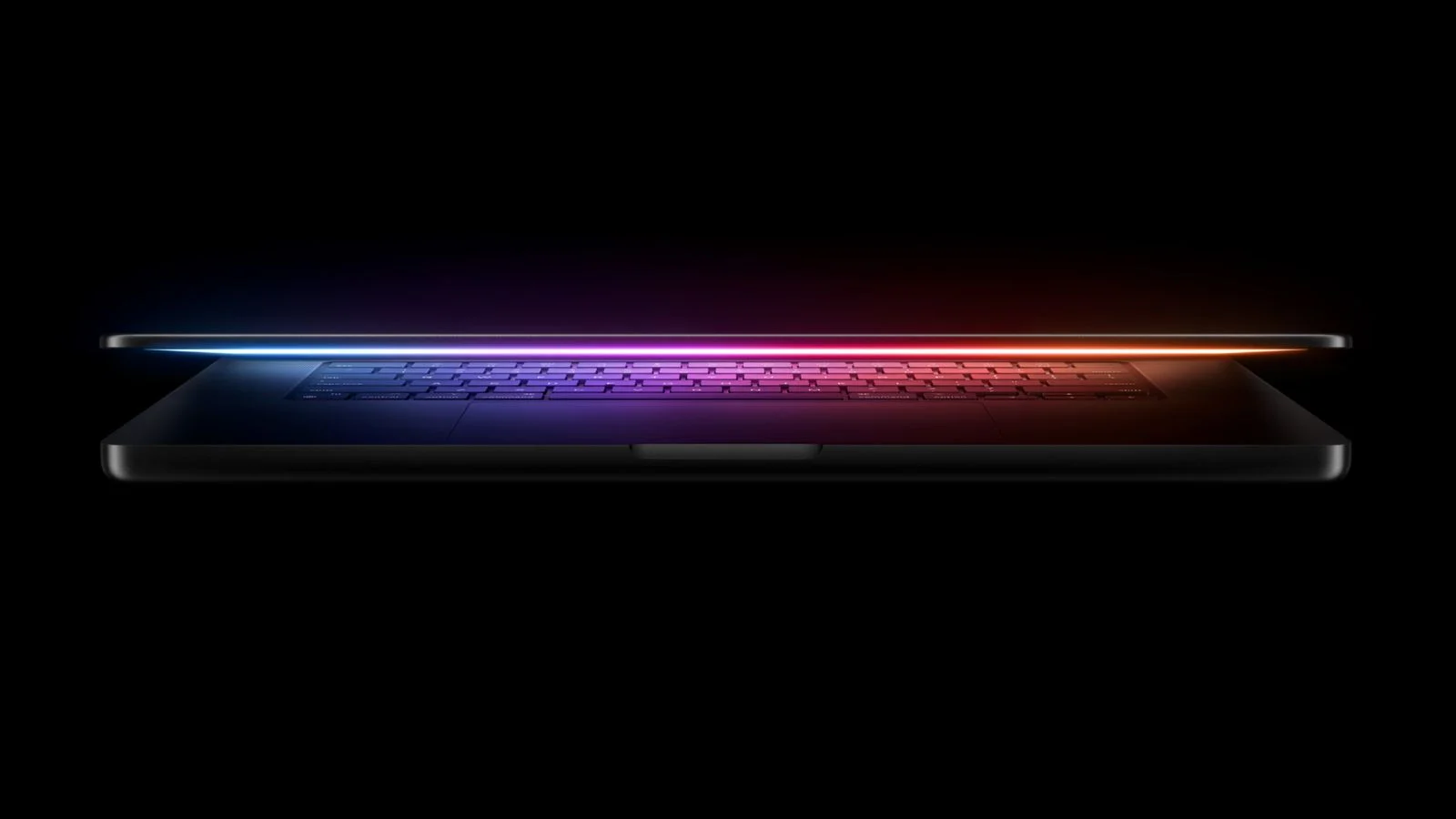
Apple's high-end MacBook Pro product line has long used Liquid Retina XDR screens based on Mini-LED backlight technology. Although this technology has excellent performance in peak brightness and dynamic range, the tiny halo effect and module thickness limitations in complex high-contrast images have always been regarded as a transitional solution before the evolution to self-luminous display technology. The latest firmware information shows that Apple is introducing a new set of dynamic pixel compensation algorithms and sub-pixel rendering architecture for macOS 27.1, which is specifically used for system-level bottom-level regulation of the unique color luminescence characteristics of OLED panels, power consumption optimization in always-on display mode, and pixel aging anti-burning strategies that may be faced in long-term use.
In addition to adjustments to panel driver characteristics, the test code also includes HDR dimming curve optimization for extremely high contrast scenes, as well as precise reconstruction of True Tone display and professional color reference modes under different ambient lighting conditions. Analysts in the software and hardware ecology believe that this shows that Apple is not only committed to seamlessly integrating its self-developed ProMotion dynamic refresh rate technology with the ultra-fast response time of OLED, but also trying to provide professional creative workers with a top-notch visual presentation with a pure black background and no halo spillover while ensuring professional-grade color accuracy.
Supply chain and industry forecasts have always regarded the "comprehensive OLEDization" of Apple's Mac product line as another major milestone after the iPad Pro adopts dual-layer tandem OLED. According to Apple's previous hardware iteration rhythm, the intensive presence of exclusive display protocols in internal test firmware usually means that prototype testing of new-generation hardware has advanced to a relatively mature stage. As the underlying preparations for the macOS 27.1 system are gradually in place, the new MacBook Pro, which adopts a new ultra-thin body design, is equipped with the next generation M series self-developed chips, and debuts an OLED screen, is getting closer and closer to officially entering the consumer market.
Comments