
Abstract:
Apple is further strengthening the integration between the Mac and HomePod ecosystem. According to the latest information, as long as users have a Mac that supports Wi‑Fi 6E and a newer HomePod device, all sounds on the Mac, including system prompts and notification sounds, can be played directly through HomePod.
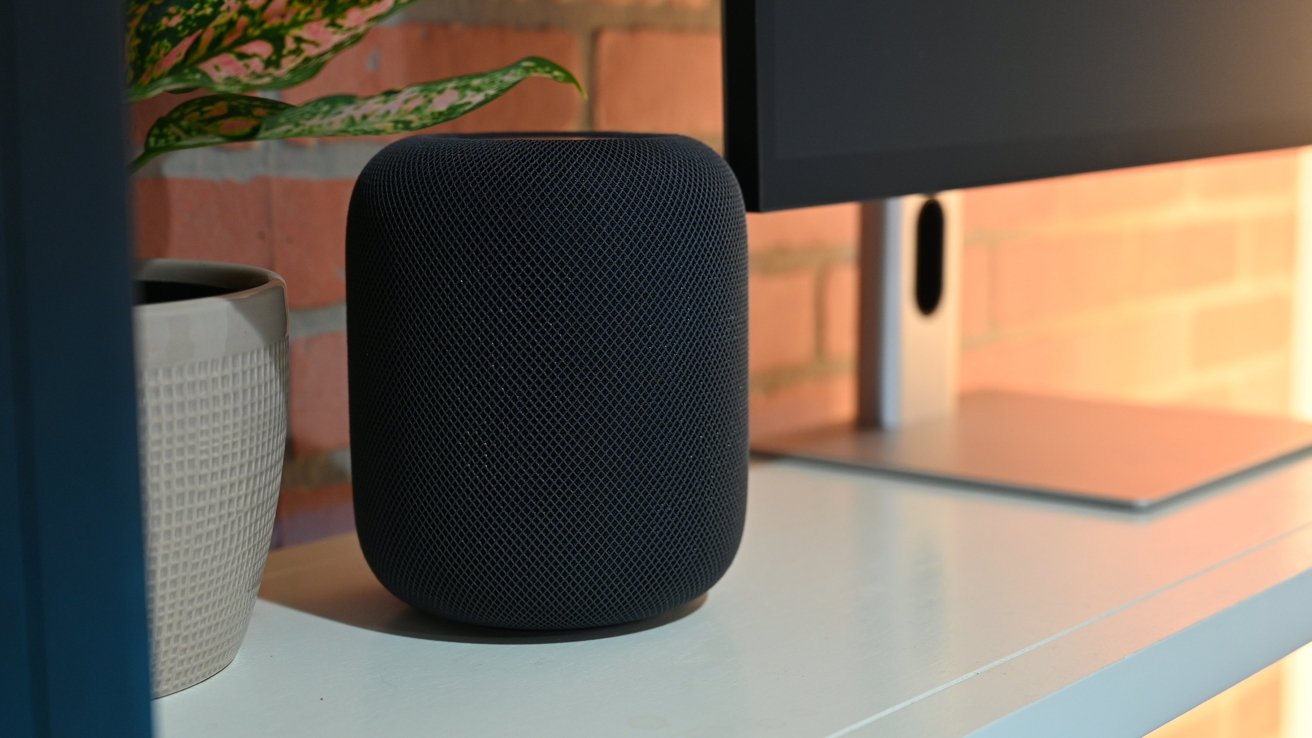
This feature has attracted attention with Apple’s recent release of the new generation HomePod mini 2. The new product is equipped with the S10 chip and adds a number of new features, one of which allows the speaker to be used as a system-level audio output device for the Mac. This means that it no longer just plays music through AirPlay, but can take on a role similar to traditional computer speakers.
In fact, this capability has previously supported the second-generation large HomePod. Today, Apple is extending this to the newly released HomePod mini 2, allowing more users to utilize the smart speaker as their primary audio device for their Mac.
Users can connect a single HomePod or create a stereo combo. For users with limited desktop space, the smaller HomePod mini 2 is obviously more suitable as a daily computer speaker, while a stereo system composed of a large HomePod can provide more powerful sound performance.
HomePod mini 2 also adds a new feature called “Sound Glow”. When the user plays music, the light on the top of the speaker will move with the rhythm and automatically adjust the display effect according to the main color of the current album cover, thus bringing a more immersive visual experience.
However, not all Macs support this new feature. Apple requires devices to have Wi‑Fi 6E support. Currently eligible models include: MacBook Pro launched in 2023 and later, MacBook Air and MacBook Neo launched in 2024 and later, and iMac, Mac mini, Mac Studio and Mac Pro launched in 2023 and later.
This timing is no coincidence. Starting in 2023, Apple will gradually introduce Wi‑Fi 6E support on the M3 series processor platform, so most compatible devices are from after this period.
In terms of HomePod, products that can be used as audio output devices for Mac systems currently include the 2023 second-generation HomePod and the 2026 HomePod mini 2.
Although Apple’s newly released HomeView has built-in speakers and is closer to HomePod in terms of functional positioning, it is currently unable to function as a Mac system audio output device. However, it still supports AirPlay, so users can still wirelessly cast music, videos and other media content to HomeView for playback.
According to Apple's design, this feature will be managed and configured under the "Sound" option in Mac's "System Settings." However, as of October 14, this feature does not seem to have been officially enabled in macOS Golden Gate. It is expected that as HomePod mini 2 is officially released on October 30, relevant support may be opened through subsequent software updates.
For Apple users, this means that HomePod is gradually developing from a simple smart speaker to an important part of the Mac ecosystem. In the future, whether you are watching movies, making FaceTime calls, video conferencing, or dealing with daily work, you can get a more unified and higher-quality wireless audio experience directly through HomePod.
Comments