
Abstract:
The Spanish Computer History Museum has completed a full-scale Cray-1 replica exhibit. The iconic C-shaped cabinet does not restore the circuits of the 1970s. Instead, 30 Mac minis produced between 2012 and 2014 are installed to form an operational distributed computing cluster. The project lasted about 18 months and not only commemorated the 50th anniversary of Cray-1, but also echoed the 50th anniversary of Apple's founding. Through a retro-style console, visitors can watch programs scale from a single processor core to be executed in parallel across an entire fleet of machines.
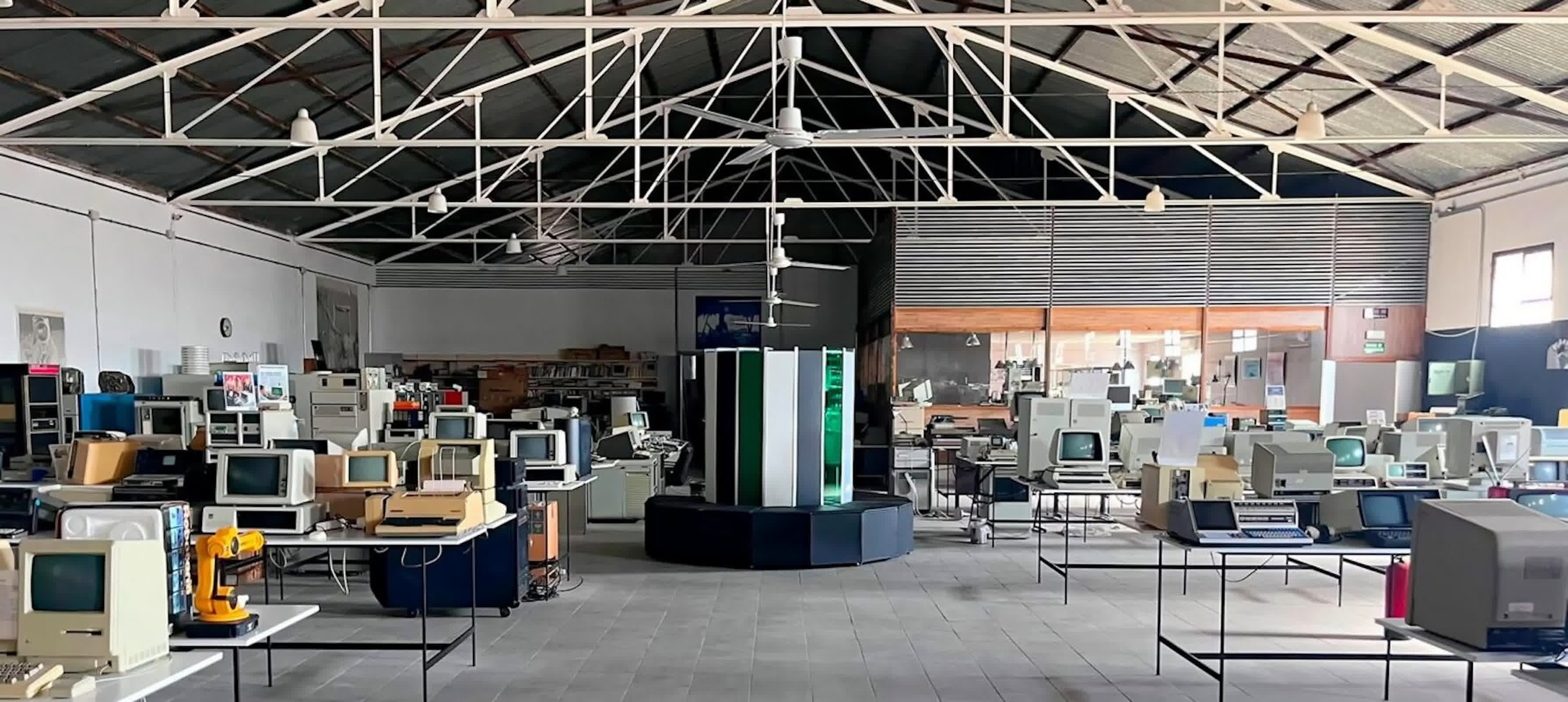
The cluster
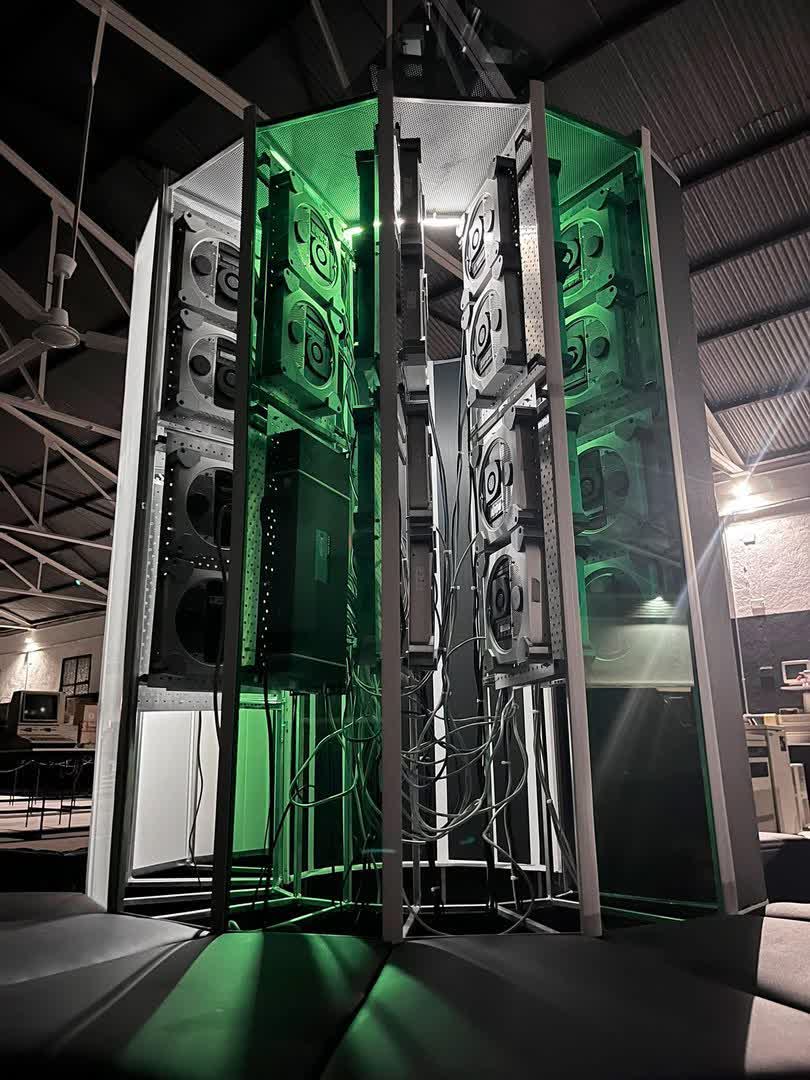
consists of 25 dual-core Core i5 models and 5 quad-core Core i7 models. The hardware has a nominal total of 70 CPU cores, running macOS Mojave, and coordinates each node through a messaging interface. It uses distributed parallel computing, splitting tasks and handing them over to multiple computers for processing; this is different from the architecture of the original Cray-1, which uses a vector processor to execute the same instruction on multiple sets of data. Therefore, this is an exhibit that borrows a classic appearance and displays the concept of modern parallel computing, rather than a replica of the Cray-1 based on the original circuit and architecture.
The exhibit was recently tested using a Python matrix multiplication program written by the team. At that time, 64 cores were put into operation, and the result was approximately 1.3 trillion floating-point operations per second; previously, when all 70 cores were working, the project had reported approximately 1.5 trillion operations. The project website lists the indicators of 64 cores and about 1.5 trillion times, showing that there are differences in caliber or testing status in the public figures. These are the test results of specific self-written programs and are not standardized benchmarks across applications. It is not appropriate to simply declare how many times the replica is faster than the original in terms of overall performance. For reference, the original Cray-1 has a theoretical peak of about 160 million floating-point operations per second. It was used for scientific and engineering calculations and was famous for its vector processing architecture.
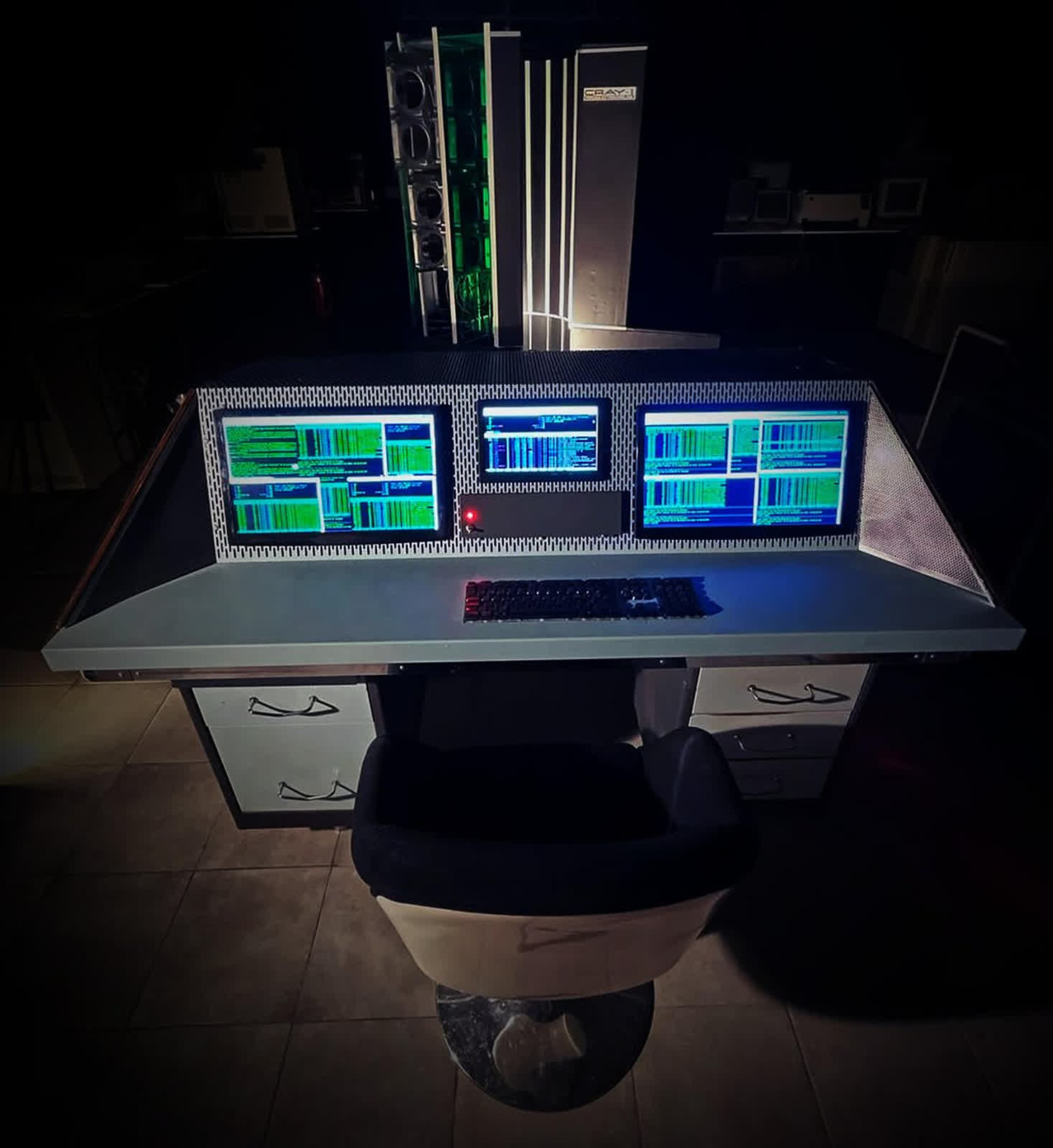
To make the device suitable for display in a museum, the team installed the Mac mini vertically on an aluminum bracket and used the chimney effect of the steel frame to naturally dissipate heat without using additional mechanical fans. According to reports, the more obvious noise in the cabinet comes from the two Gigabit Ethernet switches at the bottom, which is about 30 to 33 decibels, and the team plans to switch to quieter equipment. The console combines the design elements of old terminals such as DEC VT05 and Processor Technology Sol-20, and is equipped with three modern Samsung monitors and analog control panels; it was originally planned to use CRT monitors, but due to compatibility issues with new and old interfaces, a flat screen was used instead.
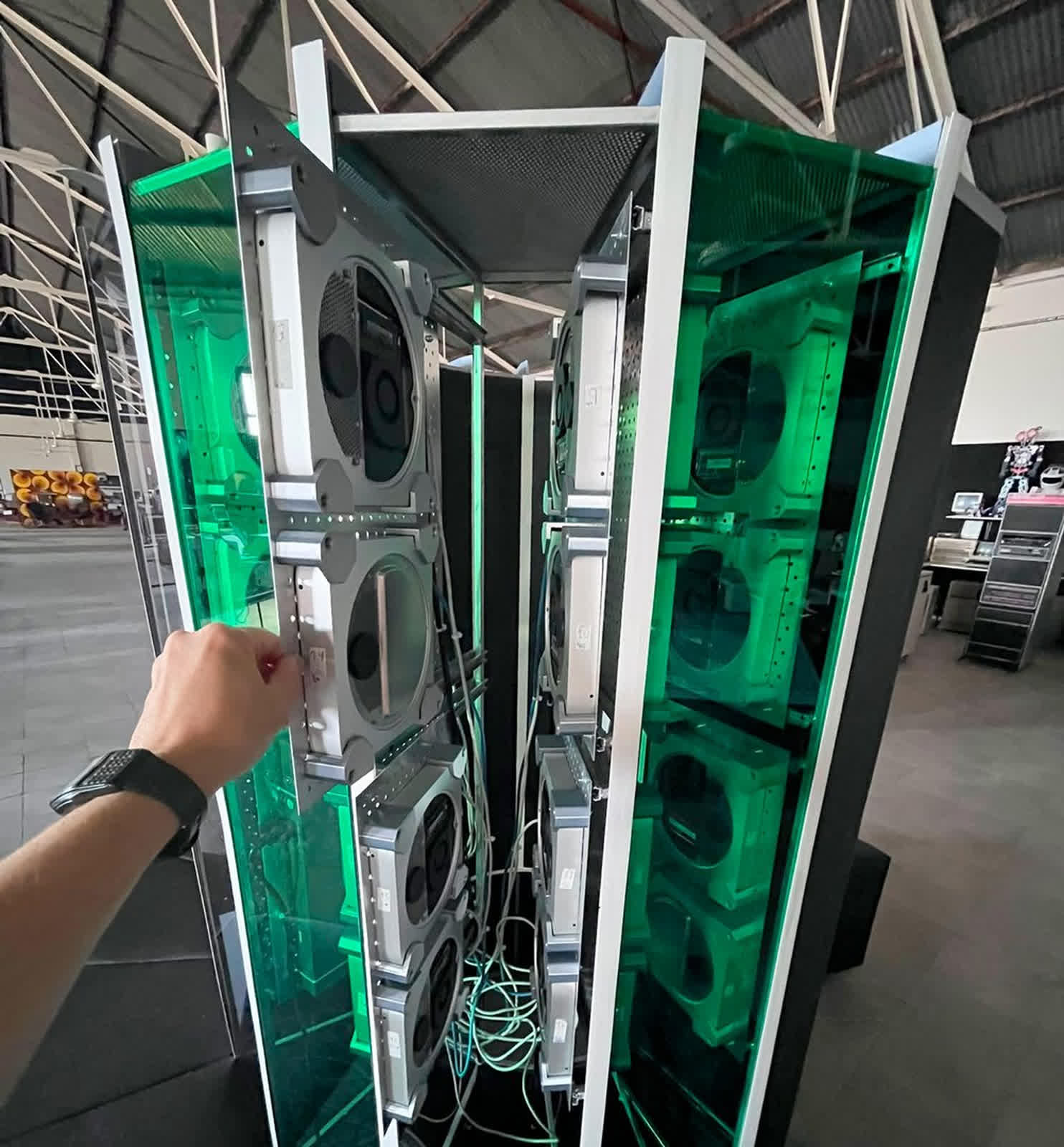
The exhibit also plans to add a floppy disk drive, old-fashioned indicator lights and a keyboard case modeled after the HP 250. About half of the space in the cabinet is still vacant. The project team hopes to purchase 70 to 80 Mac minis equipped with M4 chips through crowdfunding. The goal is to push the cluster to the TOP500 supercomputer list; this is still a future plan and does not mean that the existing exhibits have reached the level of inclusion in the list.
Comments