
Abstract:
As the performance battle for the next generation of flagship smartphones begins, the industry has made breakthrough progress in extreme performance testing of Apple's new generation A20 Pro chip. The latest extreme overclocking test report shows that with the extreme support of the newly designed second-generation heat pipe (Vapor Chamber) cooling module and the extremely cold liquid nitrogen (LN2) cooling environment, the A20 Pro chip has demonstrated unprecedented peak performance and amazing energy efficiency, completely unleashing the physical potential of this top-level chip.
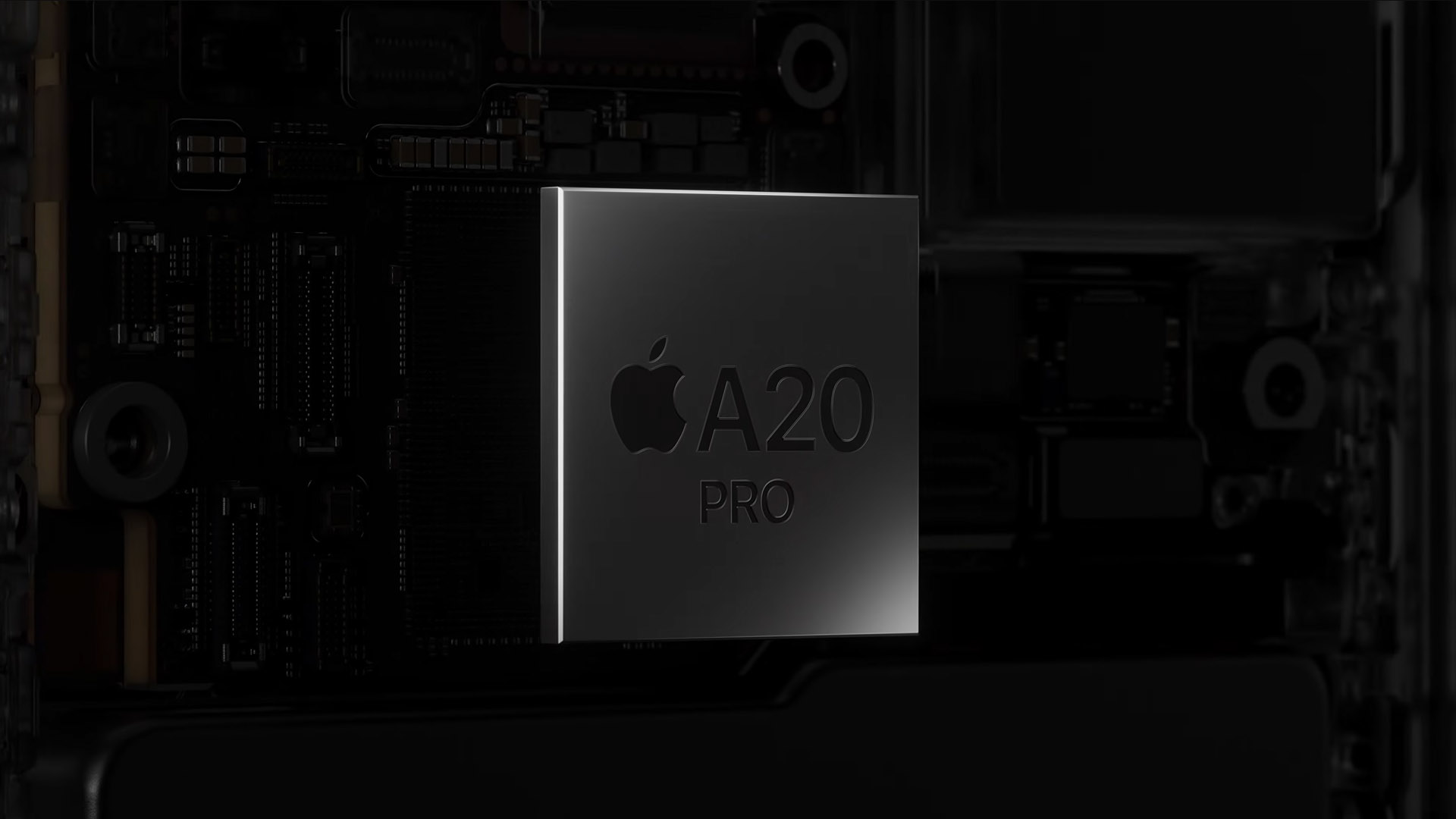
As Apple’s next-generation chip specifically designed for flagship mobile devices, the A20 Pro has completely reconstructed the CPU core and GPU computing unit in terms of architectural design, and further increased the transistor density. However, under daily use or conventional air-cooling conditions, mobile chips are usually unable to maintain the highest turbo frequency operation for a long time due to limitations in power consumption and body temperature control. In order to explore the true performance limit of this chip, a well-known hardware evaluation team modified the test terminal equipped with A20 Pro with a customized liquid nitrogen cooling head and a high thermal conductivity second-generation heat pipe module.
Under extremely cold conditions that lowered the core temperature of the chip to tens of degrees below zero, the A20 Pro's CPU single-core and multi-core running scores set new historical records in the field of mobile processors. Benchmark test data shows that after completely getting rid of the power consumption wall and heat dissipation restrictions, the multi-core performance of the A20 Pro has increased by more than 30% compared to the previous generation product. It even directly surpassed the performance of some mainstream desktop processors in multiple high-intensity rendering and floating point calculation benchmark tests, showing extremely amazing underlying architecture flexibility.
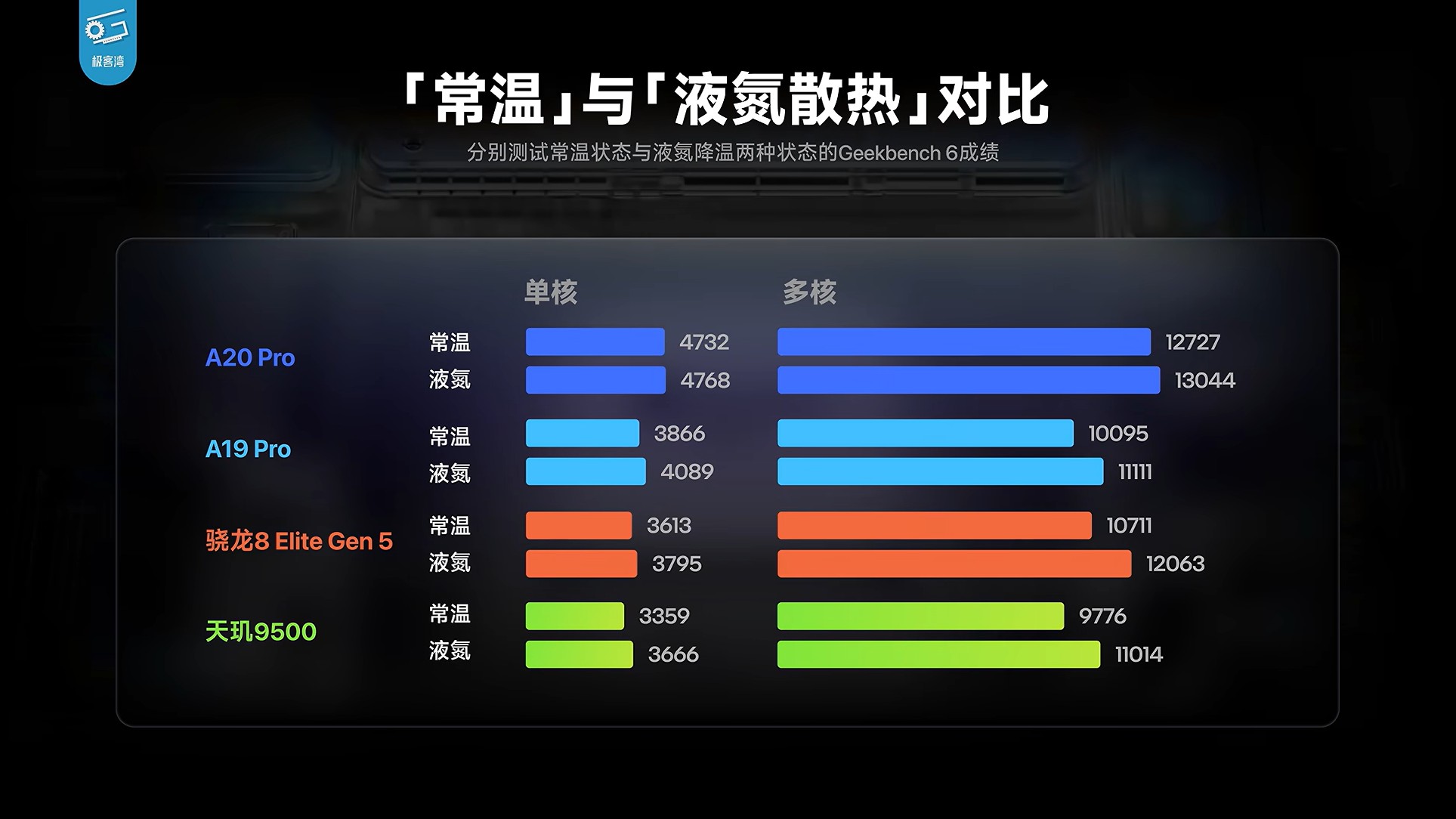
In addition to the peak data brought by extreme cold overclocking, the test team also focused on evaluating the performance of the new second-generation heat pipe cooling module equipped on this model under regular high-temperature loads. Experiments show that the heat pipe greatly increases the thermal conductivity rate by improving the internal capillary structure and optimizing the liquid phase change cycle efficiency. Even in conventional long-term and high-load gaming scenarios without the use of liquid nitrogen, this heat pipe can quickly and evenly conduct the heat generated by the chip core to the surface of the fuselage, effectively delaying the frequency reduction window and allowing the device to output high peak performance more stably.
Industry analysts pointed out that this liquid nitrogen extreme cold test not only directly demonstrated to the industry the extremely powerful theoretical computing power limit of the A20 Pro chip, but also verified the remarkable effectiveness of the new heat pipe cooling technology in solving the cooling bottleneck of mobile terminals. With the popularity of next-generation flagship mobile phones, thermal design with deep collaboration between software and hardware will become a key support for unlocking the full potential of high-performance chips.
Comments