
Abstract:
Apple’s upcoming new generation of iPad mini may usher in the largest upgrade in recent years, but consumers will also need to pay a higher price for it. According to Bloomberg reporter Mark Gurman, the OLED version of the iPad mini that Apple is developing will be priced significantly higher than current products. He personally predicts that the starting price of the new model may be close to US$799. If this prediction turns out to be true, the new iPad mini will be $200 more than the current $599 model, an increase of about 33%.
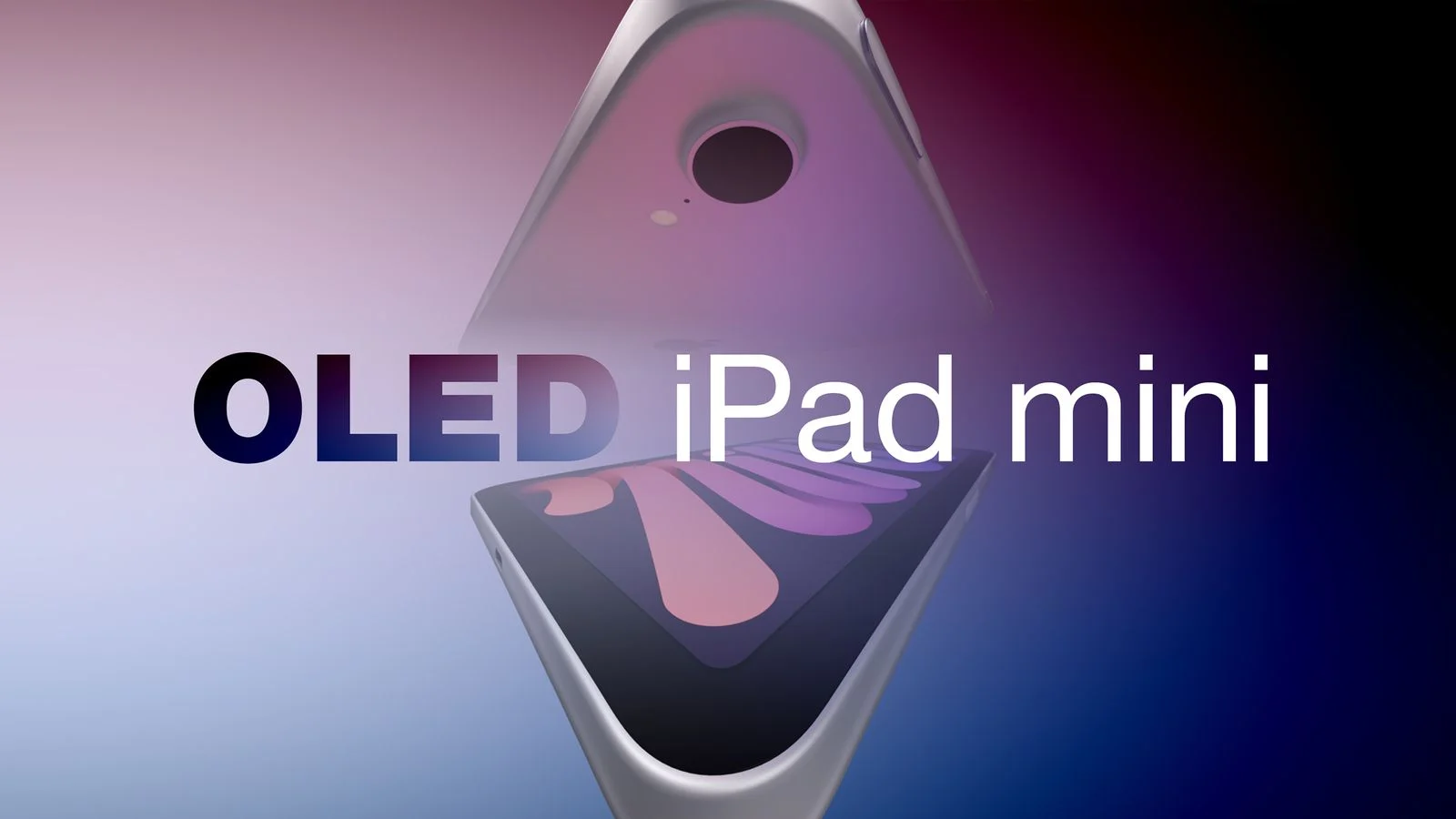
Gulman cited his own sources in the latest issue of the Power On newsletter and pointed out that the price of Apple's new iPad mini will increase significantly. Although he did not provide Apple's final official selling price, he believes that $799 is a reference number worth paying attention to.
At present, Apple has not officially announced the price and complete specifications of the new iPad mini, so US$799 is still a media prediction rather than a confirmed pricing. Nonetheless, this price expectation has attracted attention, because Apple just raised the US starting price of the current iPad mini from US$499 to US$599 in June this year. If the price of the new model increases significantly again, the positioning of iPad mini may change significantly.
One of the most direct reasons for this price increase is Apple’s plan to use an OLED display for the iPad mini for the first time. Compared with current LCD panels, OLED can provide deeper blacks, higher contrast, and more vivid color performance, which is expected to bring a better visual experience when watching videos, browsing photos, and reading content.
Apple has already adopted OLED screens in the iPad Pro series, but introducing this technology into the smaller, relatively low-priced iPad mini still requires a trade-off between display effects and manufacturing costs. The cost of OLED panels is usually higher than LCD panels of the same specifications, so the display upgrade of new phones is likely to be an important factor in the price increase.
However, the new iPad mini is not expected to directly adopt the highest specification display technology used in the iPad Pro. Previous supply chain news pointed out that the new machine may use a single-layer LTPS OLED panel instead of the double-layer series OLED solution used by the iPad Pro. The latter has advantages in brightness, power consumption and display performance, but is also more expensive to manufacture.
There are also questions about whether the new iPad mini supports the 120Hz ProMotion adaptive refresh rate. Korean tipsters have claimed that Apple has decided to use a 60Hz LTPS panel. If this news is true, although the OLED screen of the new model can improve contrast and color performance, the screen refresh rate may be basically the same as the current iPad mini, and will not reach the level of the iPad Pro.
In other words, consumers may have to pay a higher price for OLED technology, but may not be able to obtain the most advanced display specifications in Apple's tablet product line.
In addition to the display, the new iPad mini is also expected to be equipped with Apple's A20 Pro chip. According to previously exposed information, this processor will also be used in high-end devices such as the iPhone 18 Pro series, and will use TSMC’s advanced 2-nanometer process.
If this configuration is finally confirmed, the new iPad mini will have a significant processor upgrade compared to the current model equipped with the A17 Pro chip. The new chips are expected to boost CPU and GPU performance while improving energy efficiency and providing greater computing power for local artificial intelligence tasks.
Previous revelations also pointed out that the new machine may be equipped with 12GB of running memory, which is higher than the current 8GB. This will not only help handle complex multi-tasking workloads, but may also provide more sufficient memory space for more complex system functions and artificial intelligence applications in the future. However, the memory capacity still needs to be confirmed when Apple officially releases it.
In terms of appearance and user experience, the new iPad mini is also expected to undergo a number of adjustments.
First, Apple may move the front-facing FaceTime camera to the horizontal bezel of the device. This design has gradually appeared in other Apple iPad products, allowing users to obtain a more natural viewing angle when placing the tablet horizontally or using a stand or keyboard for video calls.
Secondly, the new phone is expected to use a redesigned speaker system. While there is not yet enough information to determine the specific acoustic structure, the design may change the layout of existing speakers and improve the audio performance of the device.
In addition, the new iPad mini may also gain a certain degree of waterproofing for the first time. If this feature is eventually implemented, it will make it more durable in daily carrying and use scenarios. However, the specific protection level and whether it can meet the waterproof standards of other Apple devices have not yet been confirmed.
In terms of wireless connections, previously exposed information also mentioned Apple’s self-developed N1 wireless network chip, which is expected to support Wi-Fi 7 and Bluetooth 6. The cellular version may use a C1X or C2 modem. The above configurations are still rumors, and the final specifications need to be subject to Apple’s official information.
From the perspective of product positioning, the new iPad mini may be changing from a small-sized tablet that emphasizes portability and a relatively affordable price to a product with higher configuration and more expensive price.
The starting price of the current iPad mini has increased by US$100 in June this year, from US$499 to US$599. Apple explained at the time that the surge in demand brought about by the construction of artificial intelligence data centers was pushing up the prices of memory and storage chips, and the consumer electronics industry was therefore facing unprecedented cost pressure.
If the starting price of the new iPad mini further rises to US$799, the price gap will be even more obvious compared with the long-term starting price of US$499 for the redesigned iPad mini in 2021. Even considering that the new phone may have an OLED screen, a more advanced processor, and more features, the price increase is still worthy of careful consideration by consumers.
At the same time, there are also potential competition issues within Apple's product line.
Currently, the US price of the 11-inch iPad Air starts at $749. If the new iPad mini is indeed priced at $799, it will be $50 more than the entry price of the iPad Air.
This means that when consumers buy the new iPad mini, they must more clearly recognize the portability advantages brought by the small size. For users who place more emphasis on a large screen, keyboard input, and productivity apps, the lower-priced, larger-screen iPad Air may be more attractive.
On the other hand, iPad mini also has features that other Apple tablets are difficult to completely replace. Its body is smaller and more suitable for one-hand holding, commuting reading, traveling and use in small spaces. For users who want a full iPad app experience but don't want to carry around a large tablet, the small size itself is valuable.
Therefore, whether the new iPad mini can accept higher pricing depends largely on how Apple balances hardware upgrades and product positioning. If the new machine does provide significant performance improvements, better displays, and greater durability, some users may be willing to accept the price increase; but for consumers who only need to read, browse the web, and watch videos, cash products or other lower-priced iPads may still be more economical choices.
According to Gurman’s previous reports, Apple plans to launch the new OLED iPad mini around late October, and may debut at the same time as the new MacBook Pro with OLED touch screen. Outsiders expect that related products may be released around October 27, but Apple still needs to officially announce specific arrangements.
If this timetable is accurate, the new iPad mini will not be far away from its official debut. However, until Apple announces selling prices, screen refresh rates, memory configurations and other key specifications, consumers should still view the current news as predictions rather than confirmed product information.
Overall, the adjustments to the OLED screen, A20 Pro chip, camera and speaker system are expected to make the new iPad mini a generation product that has been significantly upgraded in recent years. But if the starting price of $799 finally comes true, Apple will also face a real question: When a small-sized tablet known for its portability is getting closer to the price range of high-end products, whether consumers are still willing to pay such a high premium for it.
The answer will ultimately depend on actual product performance and whether Apple can prove that these upgrades are enough to offset the purchase price increase.
Related articles:
Apple iPad mini 8 is expected to be unveiled this month
Comments