
Abstract:
Rumors about Apple’s first foldable iPhone continue to heat up, and engineering models produced by protective case manufacturers also give the outside world a chance to understand the appearance of this product in advance. Recently, AppleInsider obtained models that are said to correspond to the iPhone 18 Pro, iPhone 18 Pro Max and the folding iPhone, and through physical comparison, showed the possible size, button layout and camera design of these new machines. However, these models are mainly used to confirm the fit of the protective case and cannot prove all the details of the final mass-produced machine.
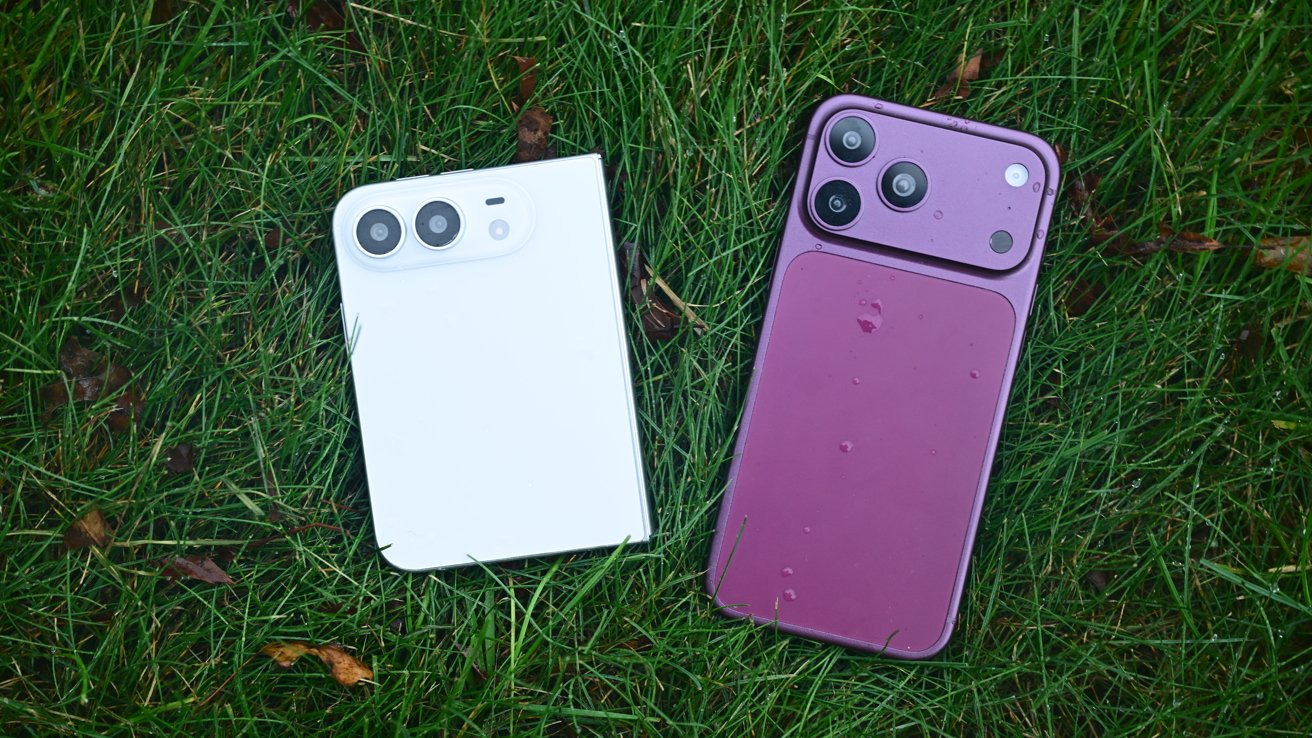
Judging from the models currently available, the overall shape of iPhone 18 Pro and iPhone 18 Pro Max is almost the same as the previous generation iPhone 17 Pro series. Through caliper measurement, the dimensions of the two new phones are basically the same as last year’s flagship model. Comparing the iPhone 18 Pro Max model side by side with the actual iPhone 17 Pro, it's also difficult to see a significant difference. It is rumored that the camera bump may undergo minor adjustments, but due to the limited plastic processing accuracy of the engineering model, it is not yet possible to accurately judge.
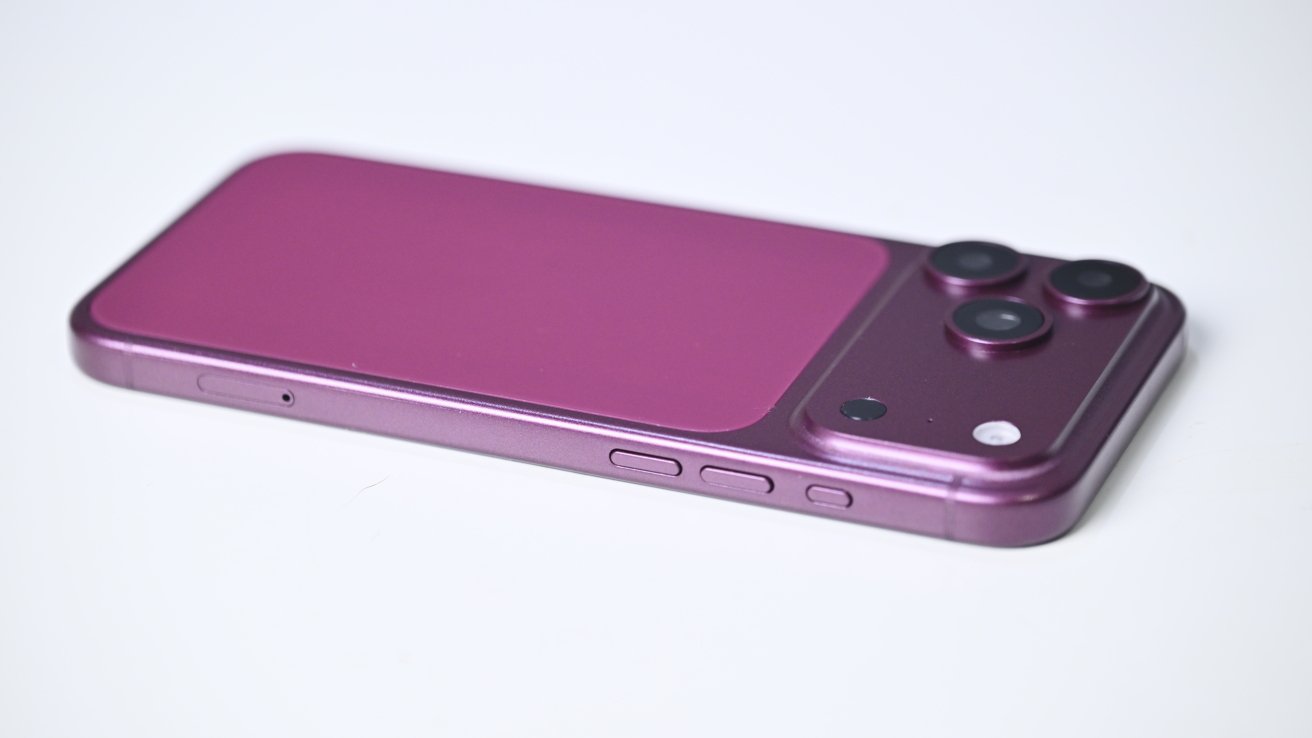
This also means that protective case manufacturers have begun to repackage existing iPhone 17 Pro protective cases to adapt to the next generation model. According to the current situation, the new protective case is likely to be backward compatible with the old mobile phone, but the old protective case may not be fully adaptable to the new phone. For the large-scale iPhone protective case industry, there is a certain risk in putting into production too early, because even small size changes may cause the protective case to not work properly.
In terms of appearance, the easiest thing to distinguish the iPhone 18 Pro series from the old models is probably the color matching. Recent rumors have been mentioning that Apple will launch a deep cherry red color, and the model we got this time also uses a similar deep red tone. This color looks quite recognizable, but it is still unclear whether it will become the final mass production color. The color and semi-glossy texture of the model may not exactly match what Apple eventually releases.
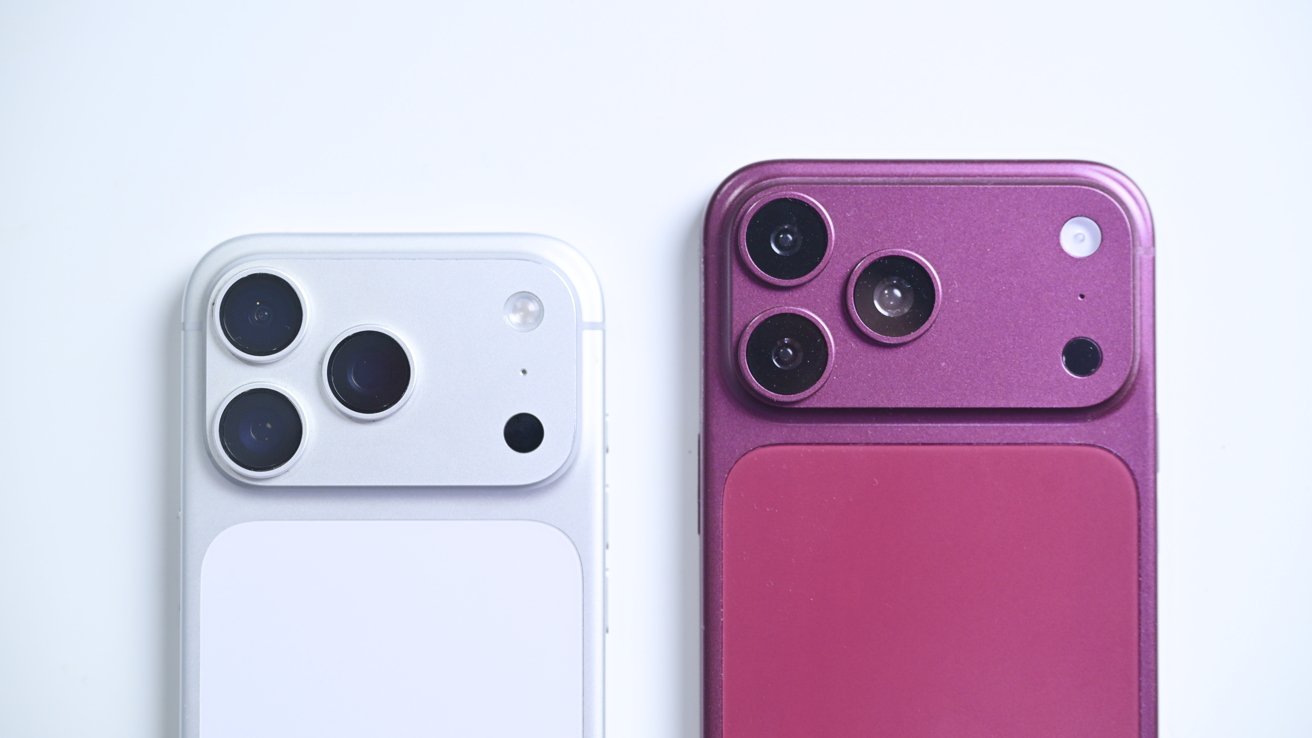
As for whether Smart Island will shrink, it is still impossible to draw a conclusion based on these models alone. Because the model can only show the outer outline and cannot reflect the layout of components below the screen, it is impossible to confirm whether Apple will adjust the Smart Island.
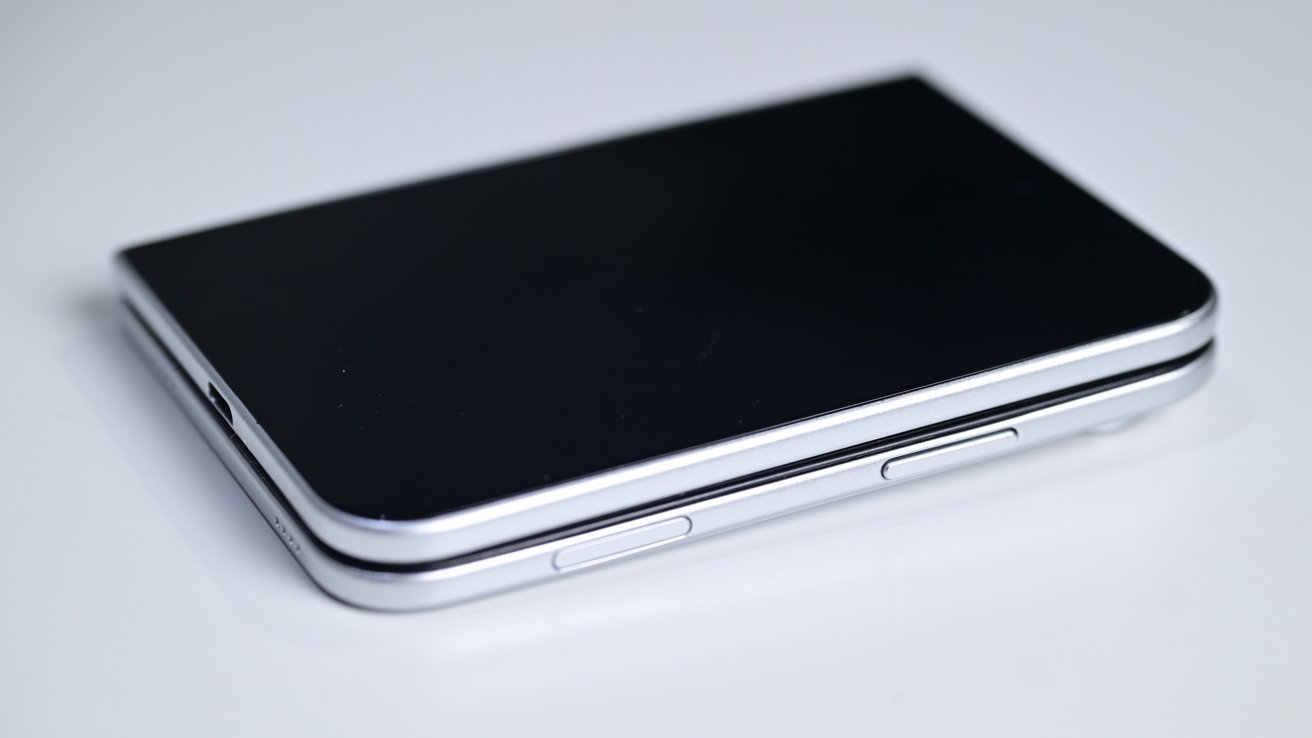
In contrast, the long-rumored folding version of the iPhone has attracted more attention. This product is often referred to as the "iPhone Ultra", and the model obtained this time is significantly more complete than the early 3D printed version or simple metal model. It is equipped with a hinge that can actually move, physical buttons that can be pressed, and a more refined camera platform. The overall design can be more intuitive to show the possible design of Apple's folding phone.
Judging from the rear camera, in addition to the wide-angle and ultra-wide-angle lenses, the right side seems to be equipped with a True Tone flash and a possible lidar scanner. However, the lens bulge on the model is quite obvious, and it remains to be confirmed whether it accurately reflects the final product. Since the body itself is very thin and the camera platform is slimmer than the iPhone Air, the lens will look particularly prominent.
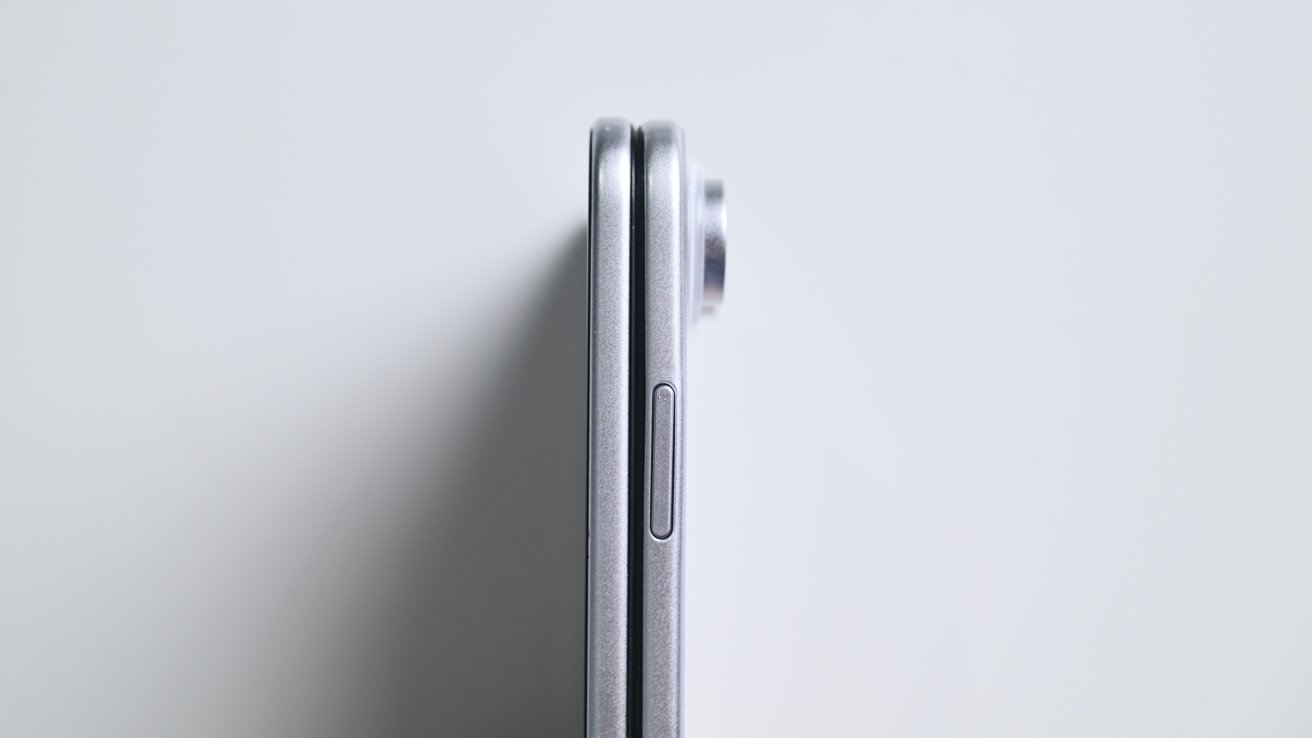
The button layout of the foldable iPhone is also quite special. After the phone is unfolded, the volume button is located on the upper right side, the power button and camera control buttons are located on the right edge, and the USB-C interface is located on the lower left side in the unfolded state. The speakers are located at two diagonal positions after the fuselage is unfolded. This layout is expected to provide stereo sound and even support spatial audio, thus avoiding the monophonic sound problem that the iPhone Air suffers from because the speakers are concentrated on one side.
A crease can be seen in the center of the unfolded inner screen, which is consistent with the common structure of folding screen phones. However, Apple is said to have greatly improved the crease problem on actual products, so this mark on the model does not represent the performance of the final mass-produced machine. A small camera can also be seen in the upper left corner of the inner screen, indicating that Apple may continue to retain the front camera on the inside of the screen.
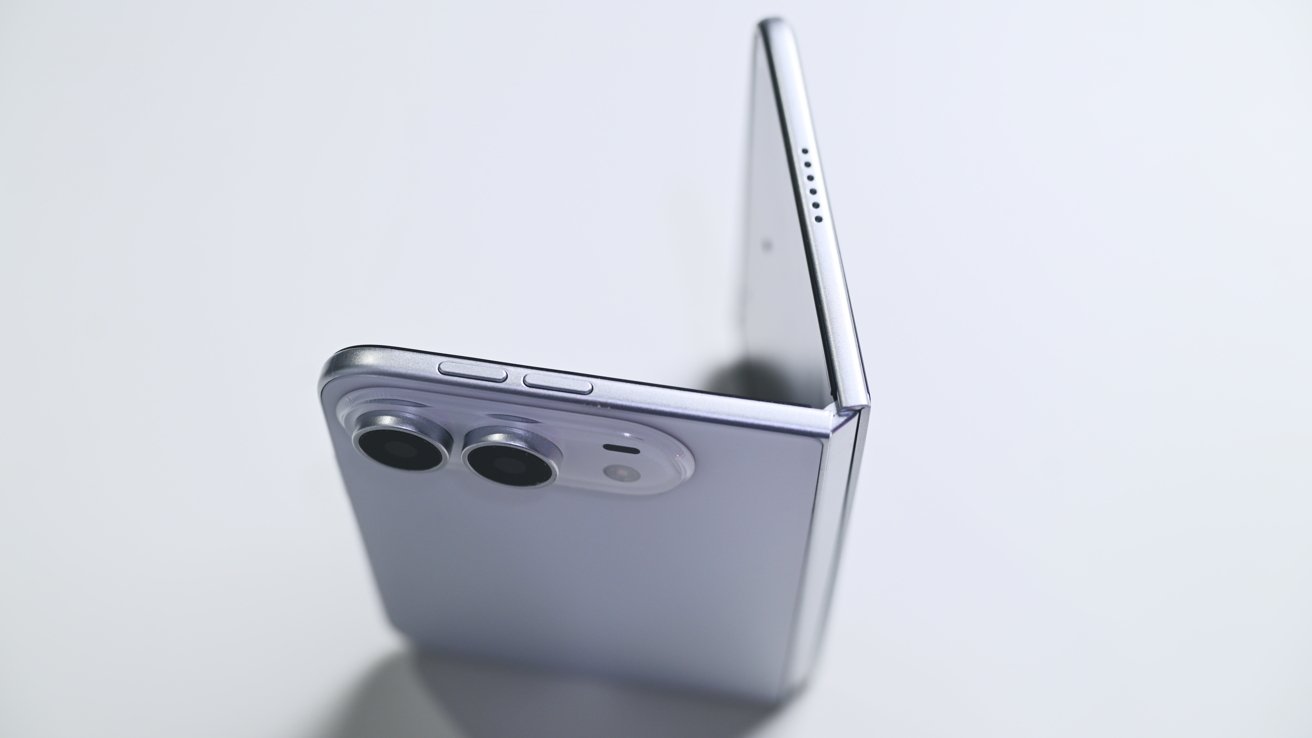
In terms of holding experience, the model also reveals some noteworthy details. After folding, the corners on one side of the hinge are sharp and may not be comfortable to hold with the left hand; while the two corners on the other side of the hinge are rounded to fit the palm of your hand more naturally. It is still unclear whether Apple will make all four corners of the screen rounded in the future, or retain the right angles on the hinge side.
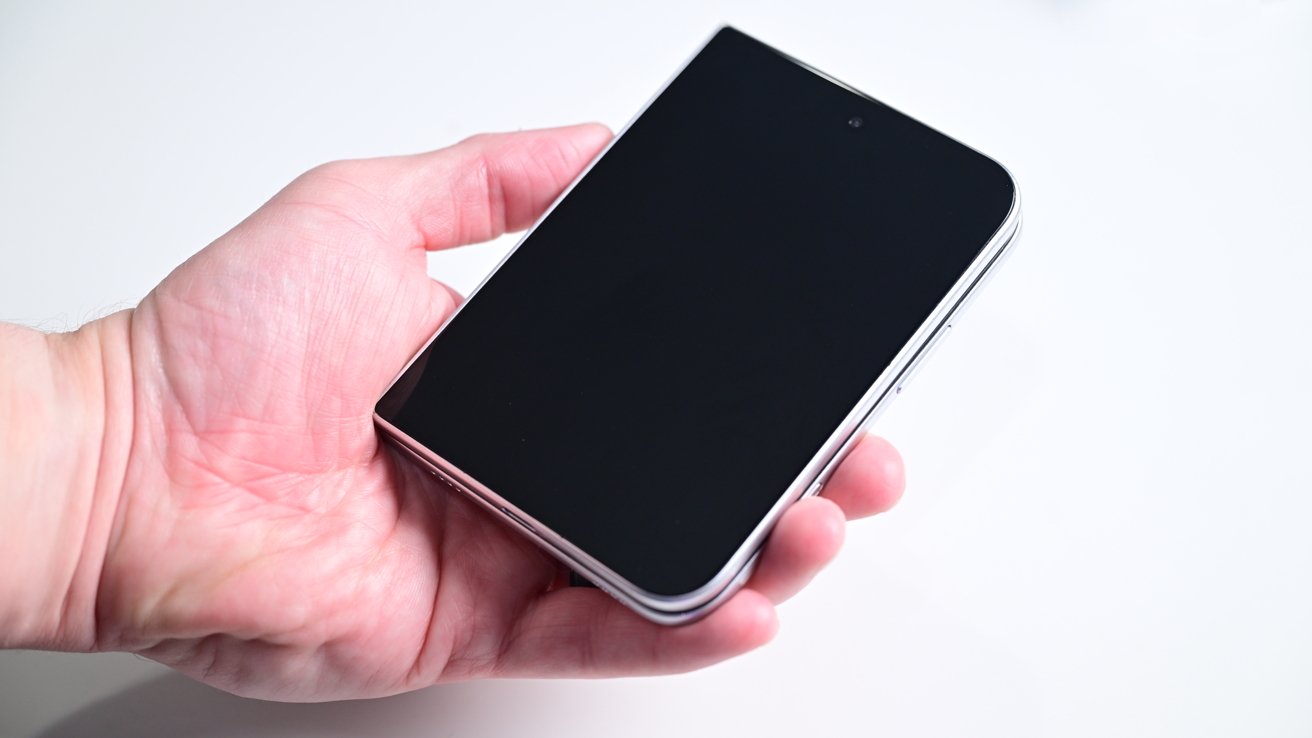
Overall, the grip of this foldable iPhone is considered quite good. The outer screen is moderately sized and can be used with one hand to reach the four corners; the unfolded inner screen appears spacious and is slightly smaller than the iPad mini, making it suitable for running split-screen applications. Compared with the iPhone Air, the foldable iPhone is roughly the same thickness when unfolded, but it looks more futuristic due to its larger display area.
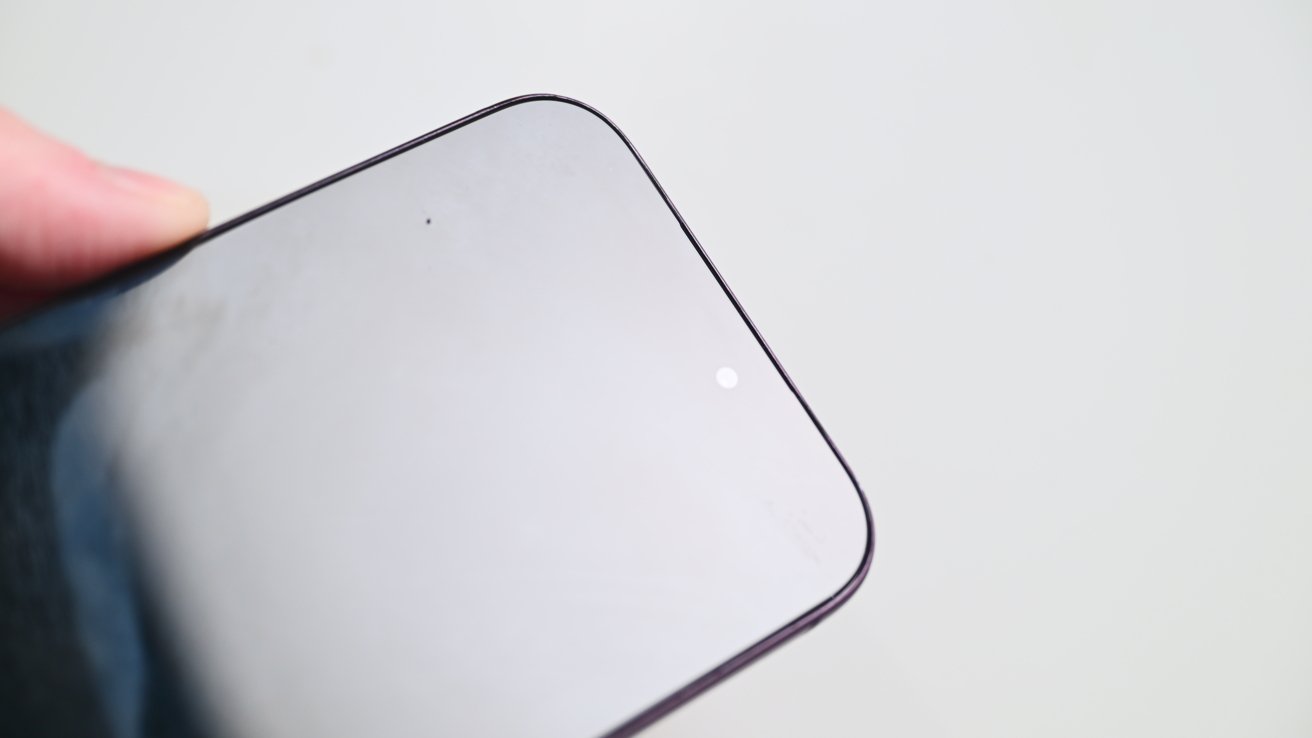
As for the biometric function, there are still many questions. According to existing rumors, the foldable iPhone may not be equipped with Face ID because the body is too slim. However, this statement is not entirely convincing, because the iPhone Air also uses a thinner body but still retains Face ID. The model cannot confirm whether there is a TrueDepth camera system below the screen, nor can it tell which button may integrate Touch ID. If Apple does add Touch ID, the most likely solution is to integrate it into the power button, similar to the design of the iPad mini.
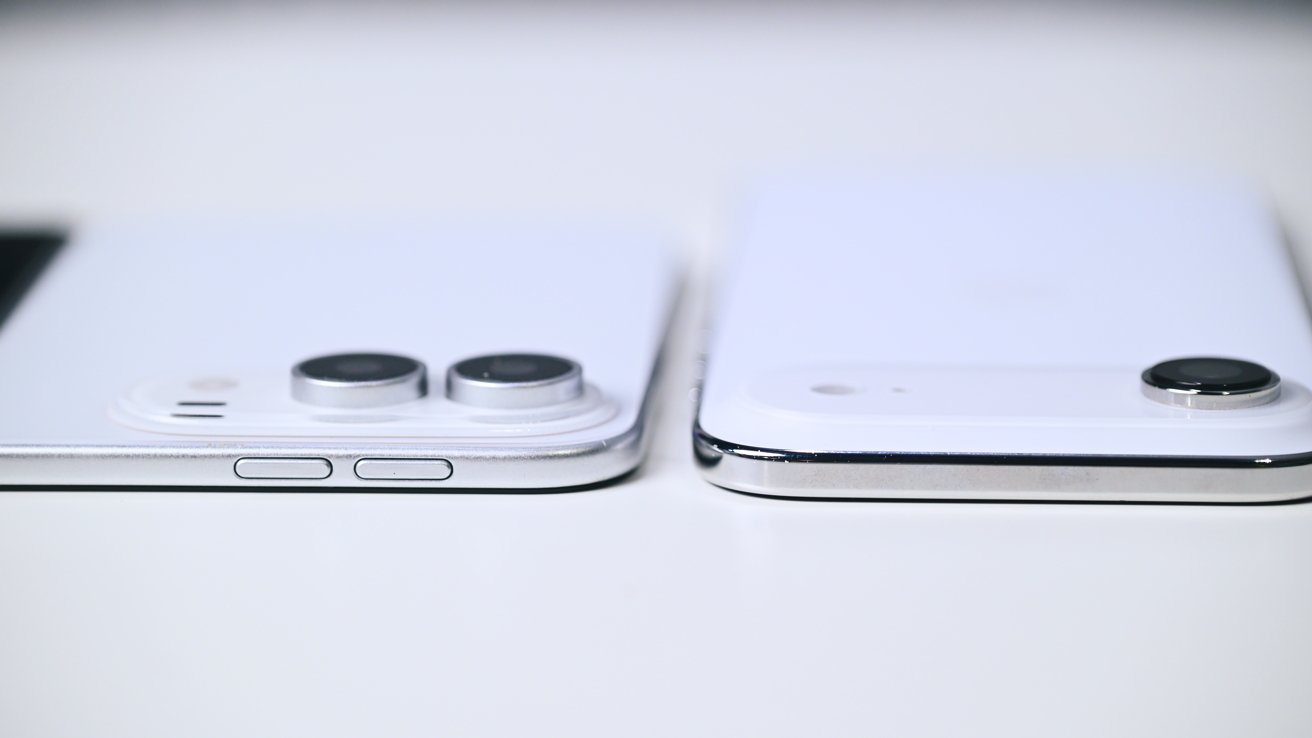
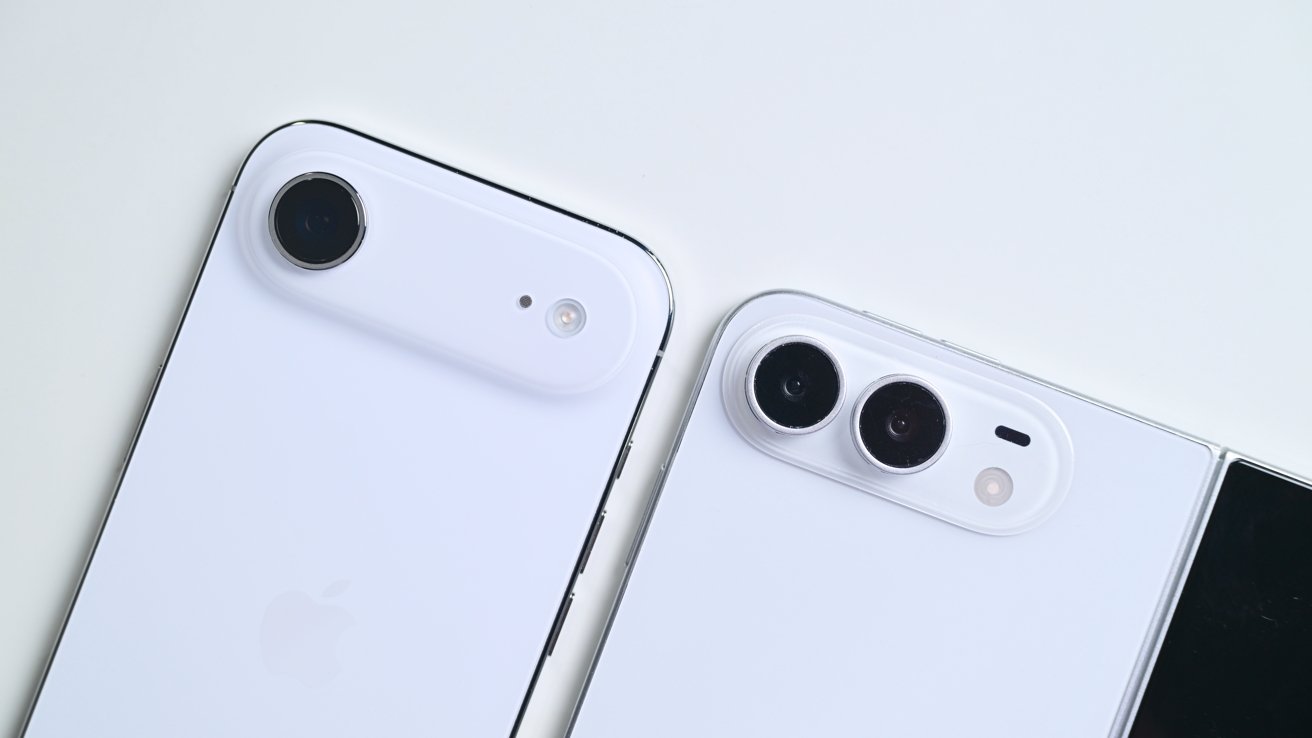
Generally speaking, these models do not bring much new information beyond the rumors, but they do allow the outside world to more intuitively feel the size, shape and camera layout of Apple's new machine. For the foldable iPhone, this physical display has further raised market expectations. However, the software experience is equally important, and it is still unclear whether it will be equipped with key features such as a vapor chamber cooling system, MagSafe magnetic charging function, and Face ID.
According to current news, Apple will hold a "Surprise and Shine" special event on September 9, when it is expected to officially announce the iPhone 18 Pro series and the long-rumored folding iPhone. By then, the outside world’s questions about these new machines will also get final answers.
Comments