
Abstract:
Every time I get on the highway, I always encounter a few thieves who slow me down and insist on walking side by side with the truck. Obviously we are all speedsters, why are you driving so slowly?
If the traffic police could control these slow-moving vehicles, the road would be as smooth as taking a pound of laxatives. But the premise of this is, is it illegal to drive too fast?
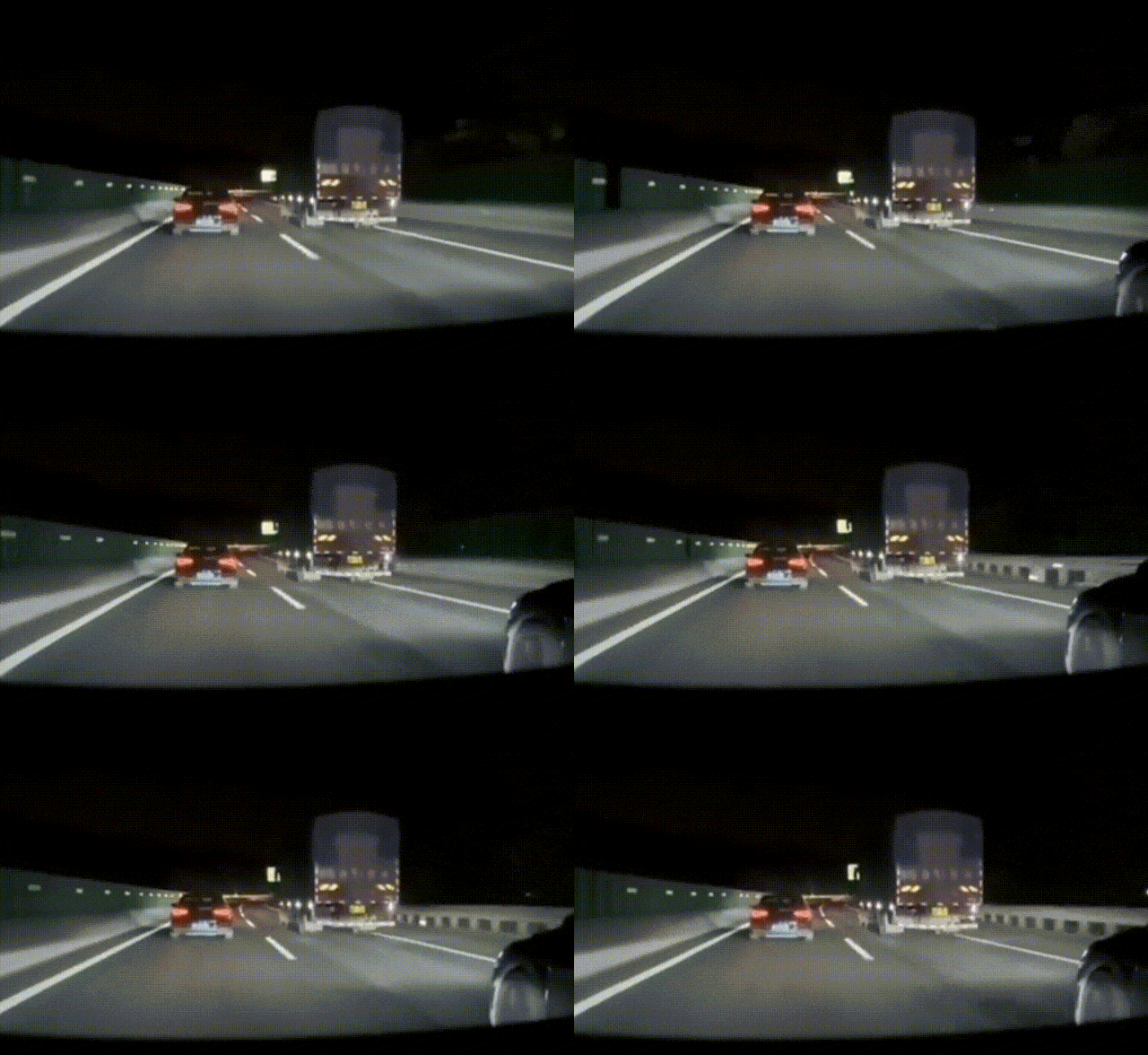
The key lies in the situation. On the highway, driving too slowly is indeed against the regulations.
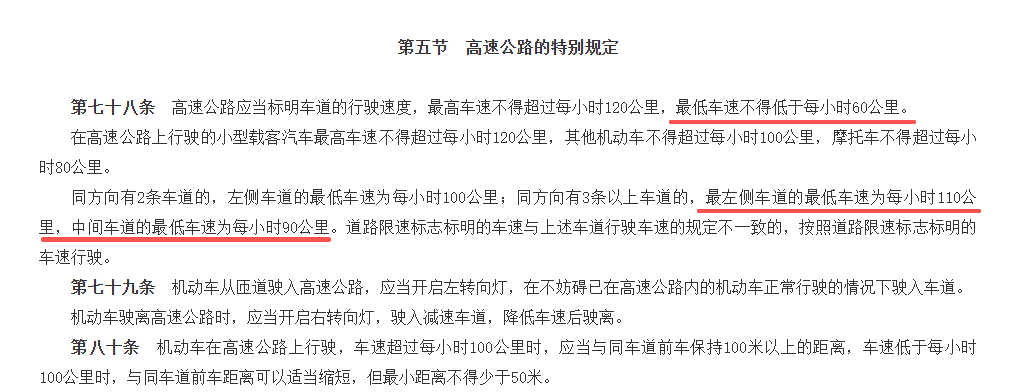
We took out the "Implementation Regulations of the Road Traffic Safety Law of the People's Republic of China", which clearly stipulates in Article 78: Under normal circumstances, the minimum speed on a highway cannot be less than 60km/h. If there are more than three lanes, the middle lane should be higher than 90km/h, and the left lane should be higher than 110km/h.
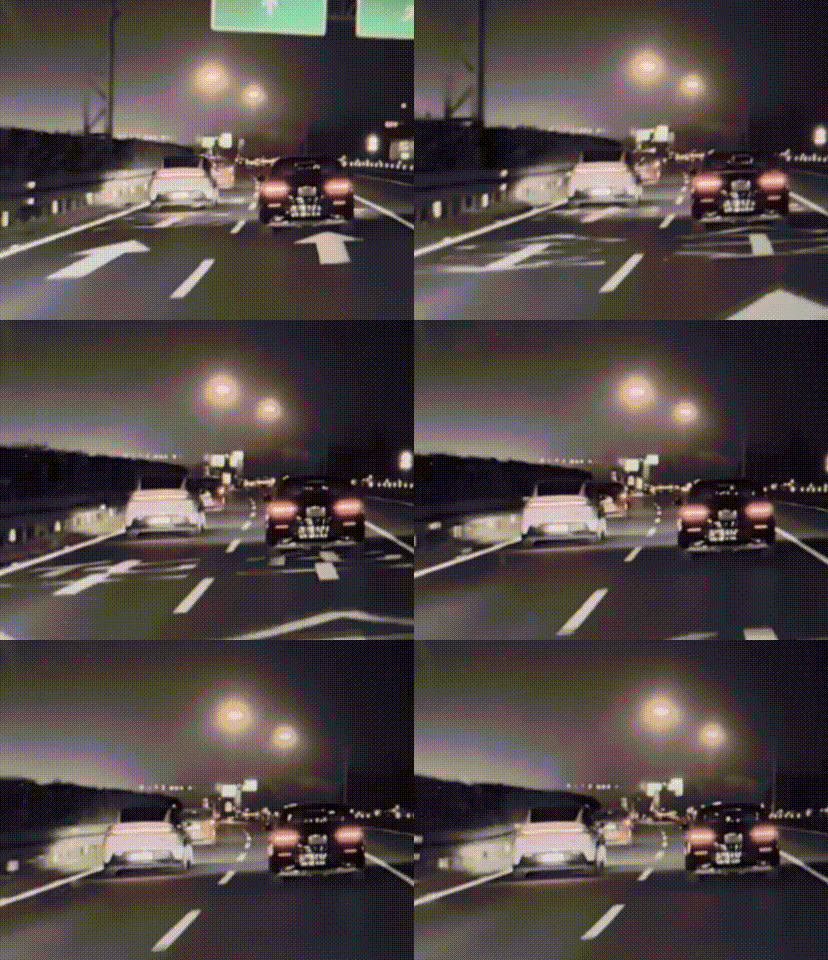
Although there are no regulations on urban road sections, there are also speed limit signs appropriate to the location on some urban expressways, elevated roads and ring roads, and you must abide by them.
In short, speeding and speeding are actually the same nature, and the traffic police will really punish them.
For example, there is a girl in Wenzhou, Zhejiang. Because it took 33 minutes to drive 25 kilometers on the highway, she was stopped directly when she passed the toll station. In the end, she was deducted 3 points and fined 200 yuan.
No, the average speed is 45km/h? All I can say is that the punishment is good and very satisfying.

Generally speaking, if you are caught driving too fast on a highway, you will definitely get 3 points + 200 yuan. However, some cities have harsher penalties, such as Shenzhen, which is 3 points + 500 yuan. And you may be held equally responsible if you are rear-ended.
But the question is, even with such fines, why do we still often fail to drive at 80km/h on the express lanes of our highways?
In fact, on the side of the traffic police, they also felt that they were wronged.
Xiao Ma, a highway traffic police officer, told me that slow-speed vehicles are indeed not the focus of their control. There are two main reasons.
One is that the probability is not high and the impact is not big, and the other is that it is quite difficult to manage.
The first question is the judgment of a slow car. Just like speeding, although the regulations are explained in detail, there is room for actual penalties.
If high-speed driving above 120km/h is a dead end, and even slow lane speeds cannot exceed 100km/h, then I am afraid many drivers will not be able to sleep.
Similar to the slow speed, netizens often complain that the speed of some cars is significantly lower than the traffic flow, but this is not a basis for law enforcement.
The probability of it actually being lower than 60km/h is actually not high.
“I read online about the situation of slow-speed vehicles, which all refer to periods of heavy traffic such as the National Day. That is to say, drivers who consume two barrels of oil a year may only appear when they hit the highway. Judging from the actual situation of electronic police arrests, (fast-speed vehicles) are mainly large trucks, and private cars rarely appear in normal times.”
Therefore, the traffic police mainly target trucks.
In addition to the frequent occurrence, it also greatly affects driving safety.
“Most of the slow speeds of small cars on the Internet are just about traffic efficiency, but the slow speed of trucks, especially in the early morning hours, is likely to cause traffic accidents with casualties, and may not cause any harm to trucks, but it is fatal to small cars. ”
In addition to these, the difficulty of managing turtle cars is also a big problem.
For example, in many law enforcement videos on the Internet, the traffic police use the crude method of "human flesh search" to deal with the problem, and they need to drive and patrol in person.
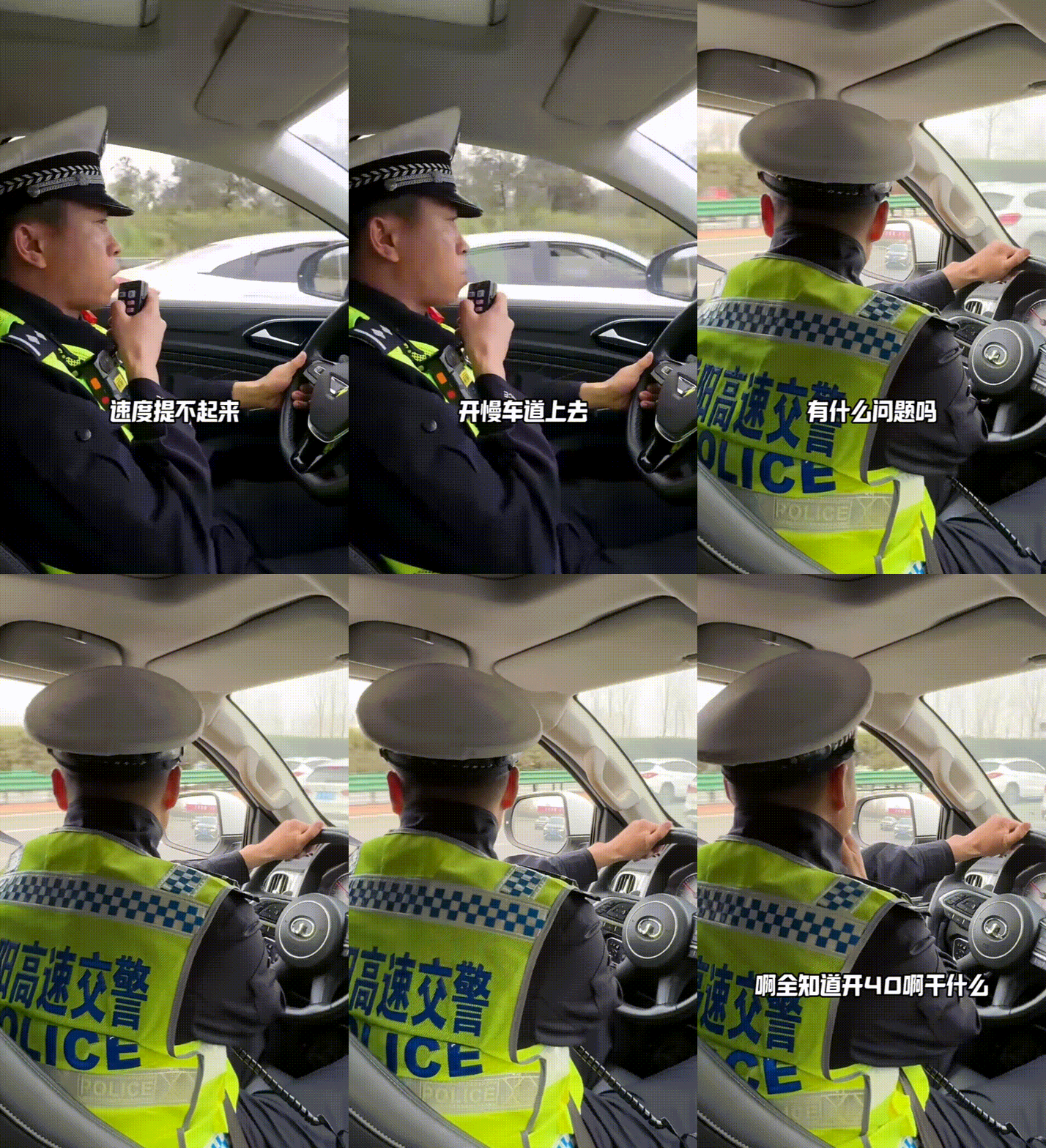
Because it is difficult to obtain evidence on the road, all the traffic police can do is to use the loudspeaker to remind. Usually when it comes time to impose punishment, either someone videotaped the report or an accident has already occurred.
Then why can't it be handed over directly to the electronic police like speeding?
Theoretically, it is indeed possible. If a machine has the ability to measure overspeed, it also has the ability to measure low speed, but the two determinations are not the same.
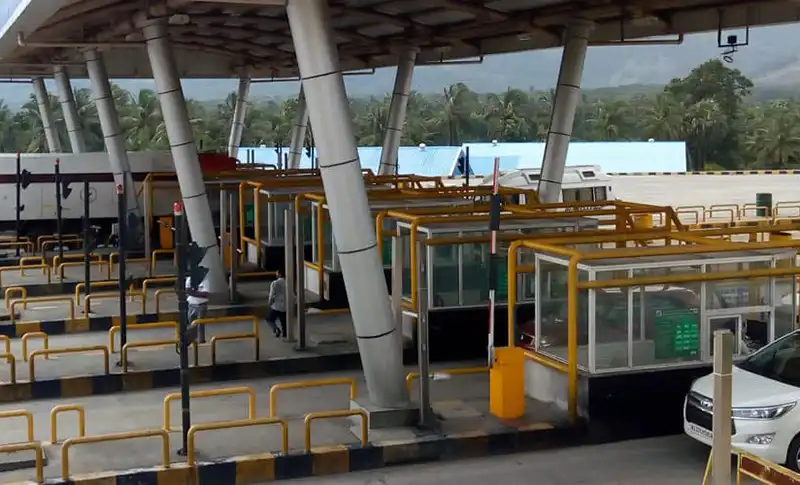
Because you are speeding, 99.9% of the time it is because you want to speed, so you will be caught immediately. If someone is photographed driving very slowly at high speed, there is a possibility that it is an objective reason.
You can't just say that I happened to be stuck in a traffic jam and was photographed, so just say I was driving at a low speed, right?
In addition, accidents and poor visibility cannot be completely avoided.
If you only rely on speed measurement to collect evidence, whether it is interval or instantaneous, it is easy to misjudge. The traffic police handle the complaints every day, which is enough to keep them busy for a day, so the traffic police will only conduct targeted testing.
“We only conduct low-speed speed measurements and reminders for trucks at certain points, and will not measure low-speed for all models. Of course, if there are indeed high-accident risks, which are very slow visible to the naked eye, we will intervene immediately as soon as we discover them during monitoring. ”
So, if you encounter a slow-moving car and are stuck in a traffic jam for several kilometers,
either the speed is not slow enough, or the traffic police did not see it.
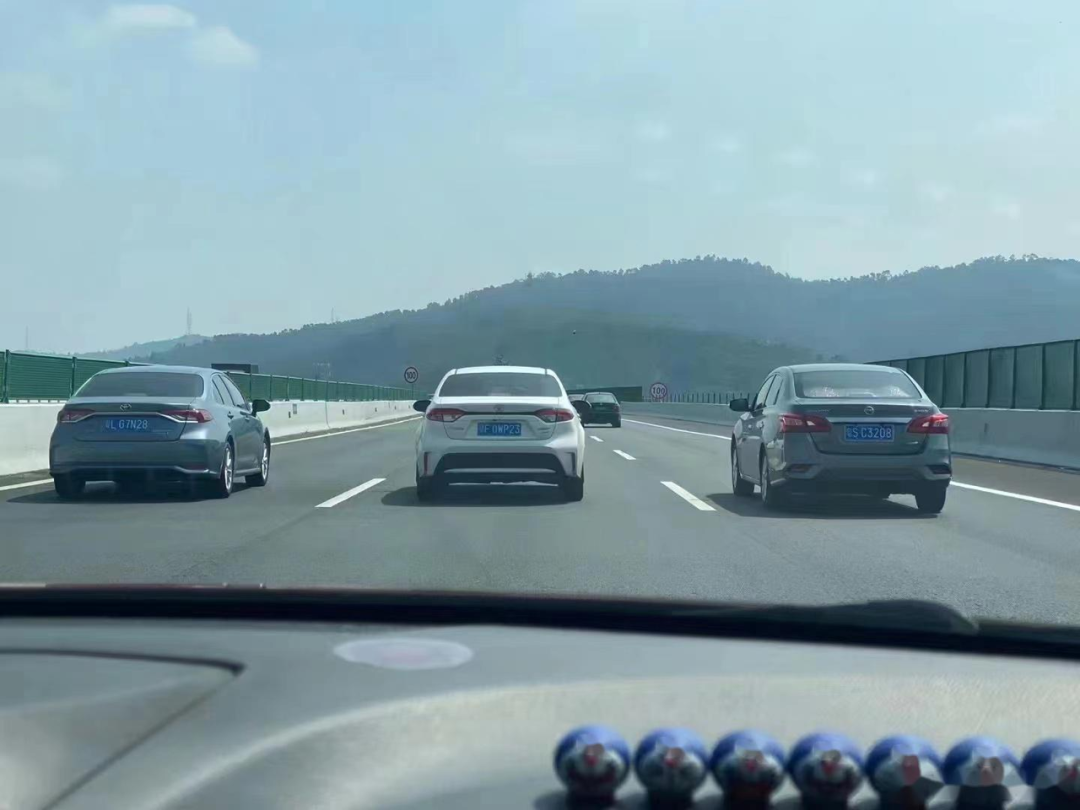
This actually depends on the equipment. In fact, many highway sections do not have dense monitoring equipment, and it is unrealistic to fill them all. Therefore, we can only rely on another monitoring technology, which is drones.
In fact, this thing was piloted a few years ago and is now everywhere. On the one hand, it is used to make up for the lack of monitoring and facilitate supervision and evidence collection. On the other hand, it can also make up for the lack of police force.
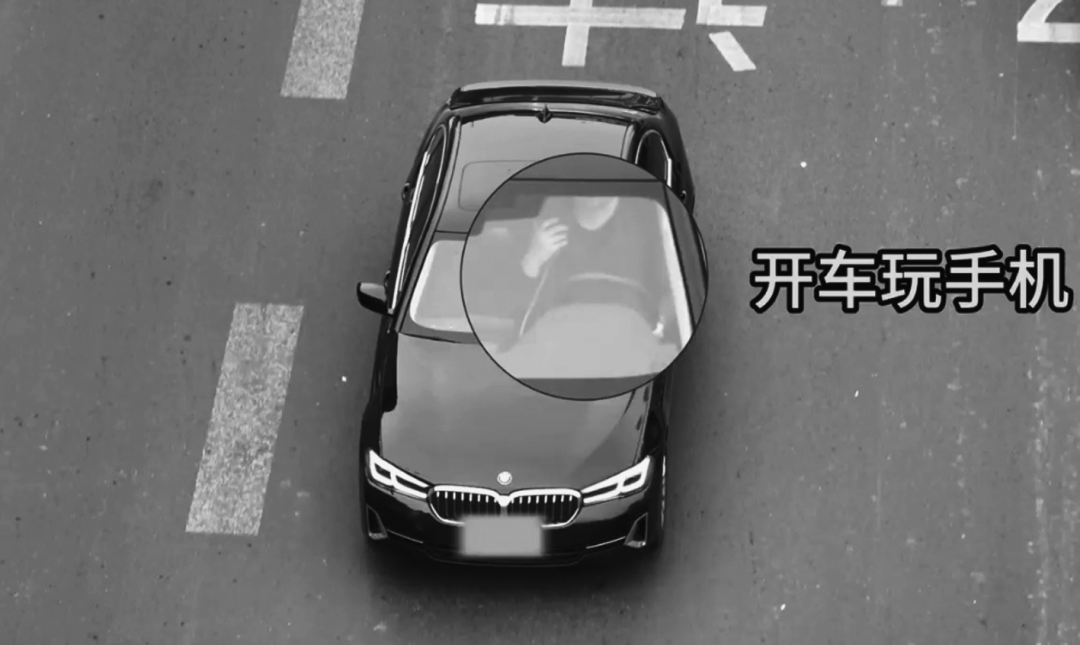
For example, many drones have built-in tweeters, night flashes, etc., which originally required manual reminders, but now some interactions can be done remotely.
“ We have high hopes for the application of this drone and have been exploring its potential. However, drones now also have shortcomings. For example, they cannot fly in bad weather and have short battery life. These are all problems. ”
In addition,
there are also cities that have integrated AI, such as Chengdu.

We just said that it is difficult to prove whether a car is actively running at a slow speed by simply relying on simple speed measurements and snapshots.
But if the bayonet video data and traffic flow data are compared together, it can be cross-judged from the perspectives of "whether it is below the speed limit", "whether it is below the average speed", and "whether it has been overtaken multiple times".
According to the official statement, after being handed over to AI, the identification time will not exceed 30 seconds. After identification, the reminder can be printed directly on the large LED screen.
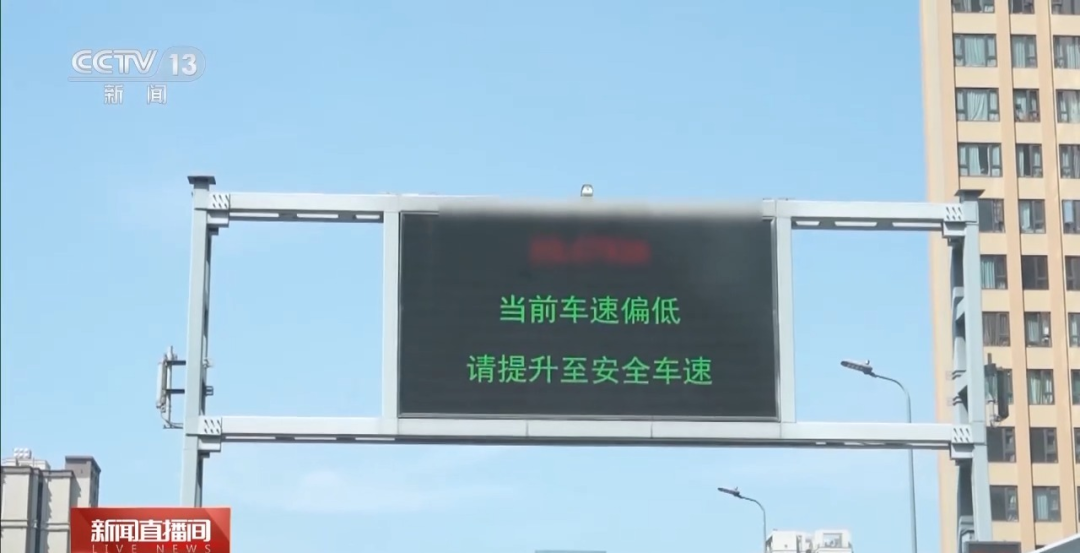
If the car owner persists and violates the rules multiple times within a week, the traffic police will also send him text messages.

In short, after a set of combined punches, the number of slow-moving vehicles on the monitored road section dropped by 20% year-on-year.
But don’t be too happy, because the application of these devices is mainly on specific roads and at specific times, such as the National Day that just passed.
In most areas, the traffic police do not pay special attention to the slow speed of private cars. After all, the traffic police's energy is limited.
Not to mention urban roads, if you drive too slowly you will not only not be punished, but you will most likely not even be reminded.
Little Q, a city traffic policeman from Wenzhou, complained: "We don't dare to rush you if you drive really slowly. If a novice driver panics even more when you rush him, we will still have to hold you accountable if an accident happens because of our driving."
So when you encounter a slow-moving car and ignore it by honking your horn or flashing your lights, it may be that the other person is not violating the rules. Don’t get angry and say goodbye to him, or go around to the front to slow him down.
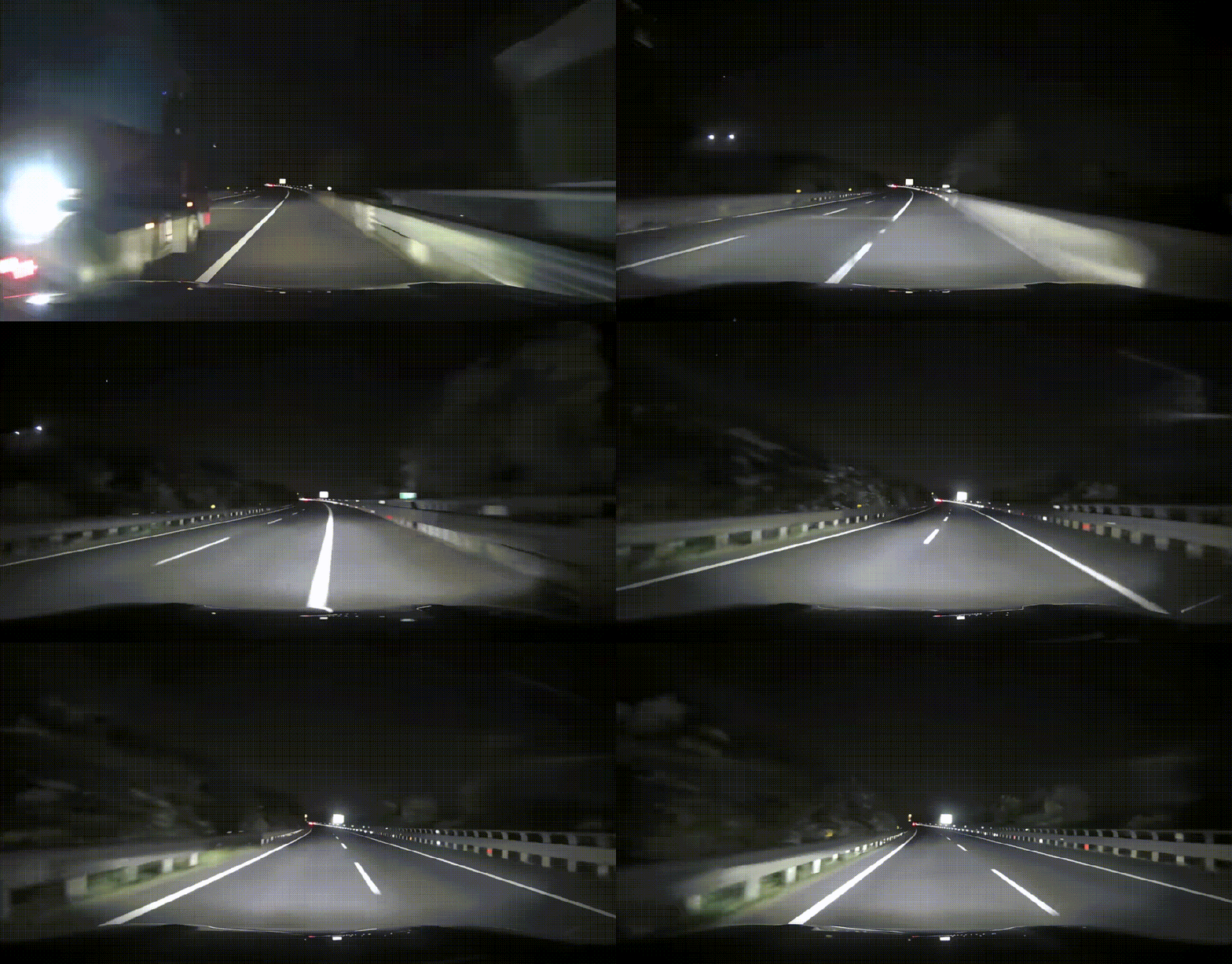
It is best to find an angle to record video evidence. There is a high probability that you were on the phone or watching a short drama...
If you want to change this situation, traffic police supervision is the most expensive way. What is more important is to change the mindset of slow-speed drivers.
Except when you are on the highway for the first time, or when you are on the phone, putting on makeup, watching a short drama, etc., there are two main reasons why many people drive slowly.
One is to save fuel and the other is safety.
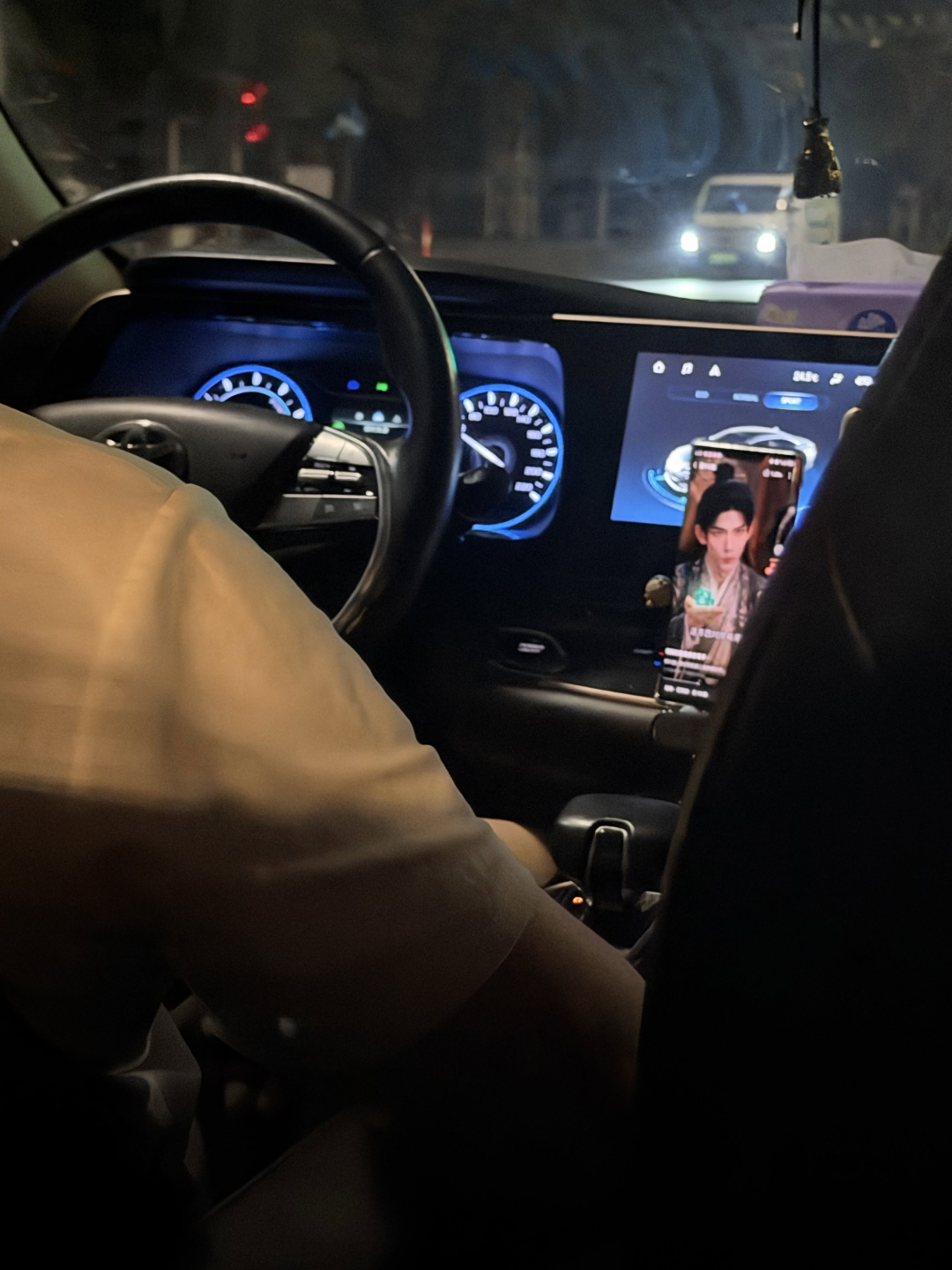
Looking at fuel efficiency first, this actually makes sense.
The faster you go, the wind resistance and tire resistance increase exponentially,
When you reach a speed of 120km/h, 70% of the engine power is actually overcoming air resistance.But what many people don’t know is that if the speed of the oil truck is too low, the thermal efficiency of the engine will also drop significantly.
According to a study by the U.S. Department of Energy, the most economical speed for gasoline vehicles should be 30-55mph (approximately 48-88.5km/h). Too high will not work, and too low will not work.
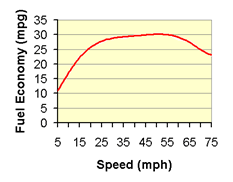
To put it bluntly, if you drive 80km/h on the highway, it may be more fuel-efficient than 120km/h, but if you drive 30km/h in the city, it will be a thankless and pure torture.
In addition, the situation of trams is similar. In fact, as long as you drive normally in the slow lane and keep the vehicle speed at a constant speed, you can beat 95% of the energy-saving experts in the country.
Let’s look at safety. We often say that “nine times out of ten accidents go fast.” Safety seems to mean slow, but is slow speed really safe? This is not the case either.
The U.S. Federal Highway Administration drew a picture for us, which means,
What really affects safety is not the speed itself, but the difference with the average traffic speed,
Going too fast or too slow will increase the risk of accidents.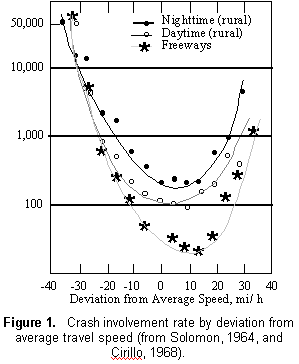
This is easy to understand. If you follow the crowd, accidents are less likely to occur. The problem usually occurs when overtaking and changing lanes. Either you drive too fast to overtake others, or you drive too slowly and are overtaken by others.
The Road Traffic Safety Research Center of the Ministry of Public Security gave a specific statement:
When the speed difference reaches 32km/h, the probability of an accident will increase by 16 times,
Isn’t this quite heart-burning?On the other hand, the damage caused after a collision is not entirely related to the kinetic energy of the absolute value of the speed.
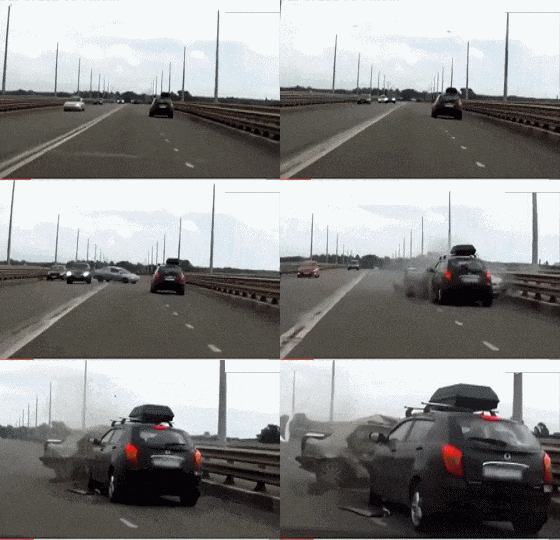
Because many people have missed one point,
our most common collision is rear-end collision, not collision,
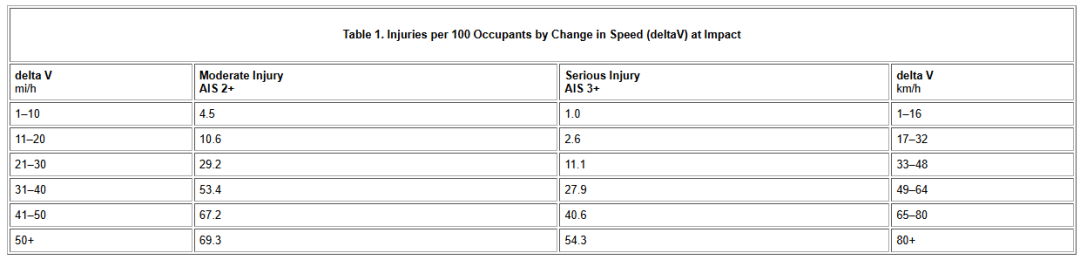
Damage also depends on the speed difference.A study recorded seven years of towing accidents in the United States and found that when the speed difference was less than 10mi/h (16km/h), the risk of moderate injury was less than 5%, but when the speed difference was greater than 30mi/h (48km/h), the risk exceeded 50%.
In short, the conclusion is that
it is also unsafe to drive at a slow speed, and the most reasonable way to drive is to "follow the crowd".
If everyone can understand this problem, the problem of slow cars will actually be solved.
Brother Neck really wants to make a suggestion here. When we use the navigation system, a speeding warning will appear all the time, and a red frame alarm will appear on the car screen. Then our smart driving and sign recognition are so advanced, can we also provide a speeding reminder?
If the speed is lower than the standard for a long time, is lower than the surrounding traffic flow, and is constantly being overtaken, the vehicle owner may be reminded that it is not safe to drive like this.
Comments