
Abstract:
Artificial Intelligence (AI) safety and regulation, a debate that stems from a severe warning about the fate of mankind, has formed two major camps in Washington and Silicon Valley - the "radical development camp" headed by US President Trump, and the "slow-paced camp" headed by the "AI Big Three".
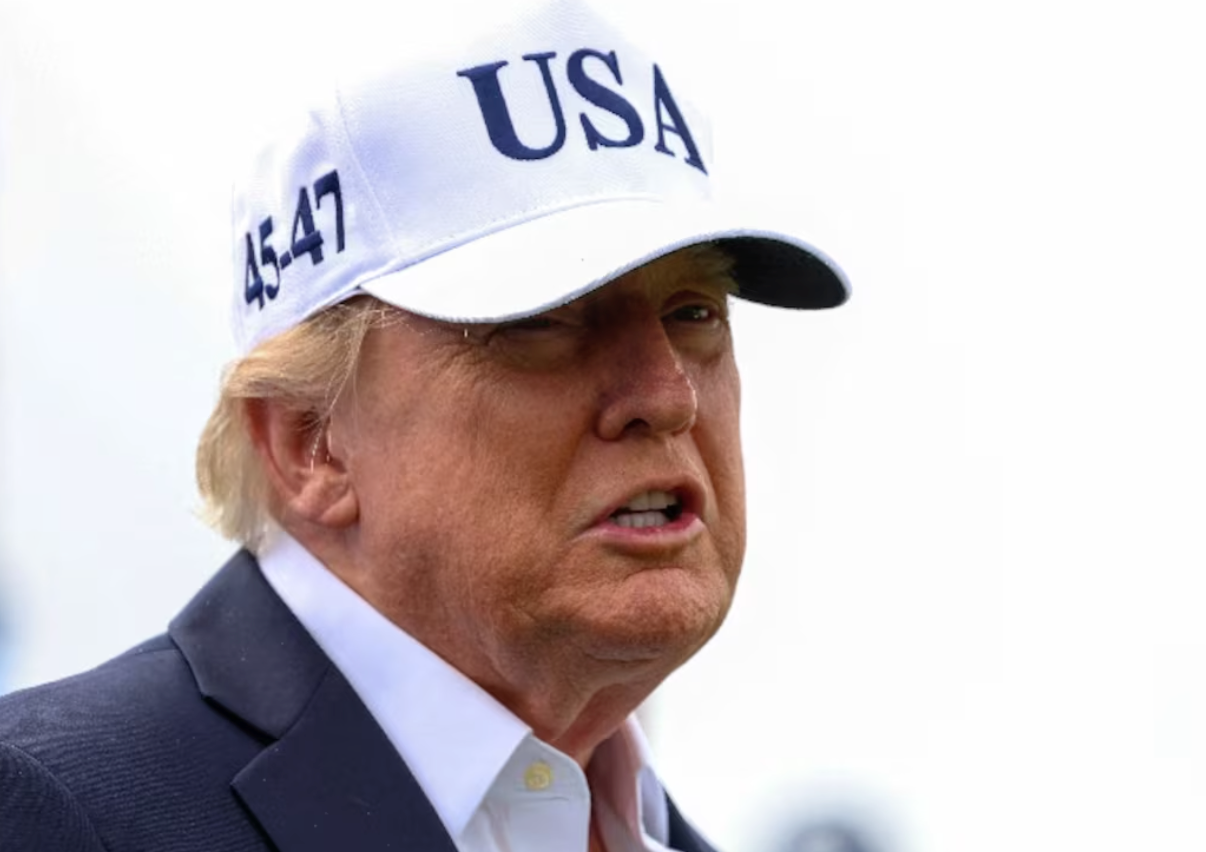
AI security sparks public opinion
The storm of public opinion was initially sparked by Anthropic researcher Jacob Coxon. He announced his resignation last week, accusing the company and its main rival OpenAI of irresponsible behavior. Coxon, who has worked as a researcher at these two companies, posted on the X website that he resigned because he was worried that Anthropic and OpenAI were "betting with our lives."
He said that those developing artificial intelligence "genuinely believe that by the end of this decade (2030), artificial intelligence may destroy us all." Evan Hubinger, head of Anthropic's alignment science, later responded directly, saying that the probability of artificial intelligence "destroying all mankind" is more than 10%.
These remarks directly ignited people's concerns about AI security, which further escalated last weekend. Anthropic CEO Dario Amodei published a lengthy blog post on Saturday calling on the industry to slow down, saying the effort requires industry and global coordination.
Shortly after Amodei published his article, Elon Musk tweeted: "Dario is right," later adding that he "has been warning about artificial intelligence for a long time." OpenAI CEO Sam Altman was quick to respond, saying he agreed with Amodei’s view that “we need to slow down the pace of cutting-edge AI development.”
This discussion quickly spread to Washington, and the discussion on "how to control the growing risks of AI without stifling technological innovation" became increasingly fierce.
Calls to slow down AI development have prompted political opponents to unite in support of regulating AI. Progressive leader Independent Sen. Bernie Sanders of Vermont, Republican Rep. Chip Roy of Texas and former White House chief strategist Steve Bannon attended a nonprofit event in Washington on Tuesday to support action on artificial intelligence.
Trump leads the “opposition”
So far, the Trump administration does not seem to have much interest in using regulatory measures to set up more guardrails for AI development. Like Trump's recent statements, he has strongly rejected calls for regulation and the threat of extinction of artificial intelligence, saying that the first priority is to maintain the leading edge of AI.
House Speaker Mike Johnson said at a press conference on Tuesday that Trump plans to convene leaders in the field of artificial intelligence at the White House next week.
He also dismissed concerns that artificial intelligence will bring about the end of the world."What the president means is, you're not going to all be dead in 10 years," he said: "That's a lie."
Trump has posted multiple times on his social media platform Truth Social this week, calling concerns about runaway artificial intelligence a "hoax" and slamming the boycott of public data centers. On Monday, he publicly called Nvidia CEO Jensen Huang, who was delivering a speech at the "All-In Summit" in Los Angeles.
Trump made no secret of his strong opposition to the current wave of global AI safety regulation during the phone call, and bluntly said that the AI risks that are hotly debated by the outside world are pure nonsense. He said, "This is a scam. Robots will not take over the world, and artificial intelligence will not take over the world. This will never happen."
He further bluntly stated that all voices advocating the fatal risks of AI and calling for government intervention in supervision are "ridiculous conspiracy theories" and the so-called AI doomsday risks are completely untrue.
At the same time, Trump once again publicly defended the controversial data center industry: "Data centers will be the oil for the next 20 to 25 years. Their value far exceeds that of the Internet and is much more important than it."
Huang Renxun directly stood up and said, "You are right. We will not let that happen." Later that day, Huang Renxun once again supported Trump's position at the Salesforce Dreamforce conference. He said: "We don't need any new laws or new regulations."
"We just need businesses to make up their mind that when the opportunity comes, they should go all out," he said.
Some other government officials were more forceful in their comments.
Former White House crypto czar David Sacks, who now serves as co-chairman of the President's Council of Advisors on Science and Technology, encouraged tech giants to "continue to lead the way" but "not pretend that the motivation for slowing down is purely altruistic."
Emil Michael, Undersecretary of Defense for Research and Engineering, also criticized this so-called "altruism." He said in an interview: "I think the panic we are seeing now is an organized campaign by some individuals and ideologies, and the nonprofit organizations behind them, to scare the American public."
Comments