
Abstract:
According to reports from the British Broadcasting Corporation (BBC), The Guardian and other foreign media on the 12th,
Brad Smith, the president of Microsoft Corporation in the United States, recently called for stronger supervision of artificial intelligence (AI). He warned that the current supervision of AI is not even as strong as milk and washing machines.
In addition, Microsoft founder Bill Gates also called for strengthening the supervision of AI in an interview with US media on the 11th. This "most dangerous technology" invented by mankind cannot be completely left to the control of its development companies. Gates said letting tech giants regulate themselves could expose the world to unprecedented cyber threats.
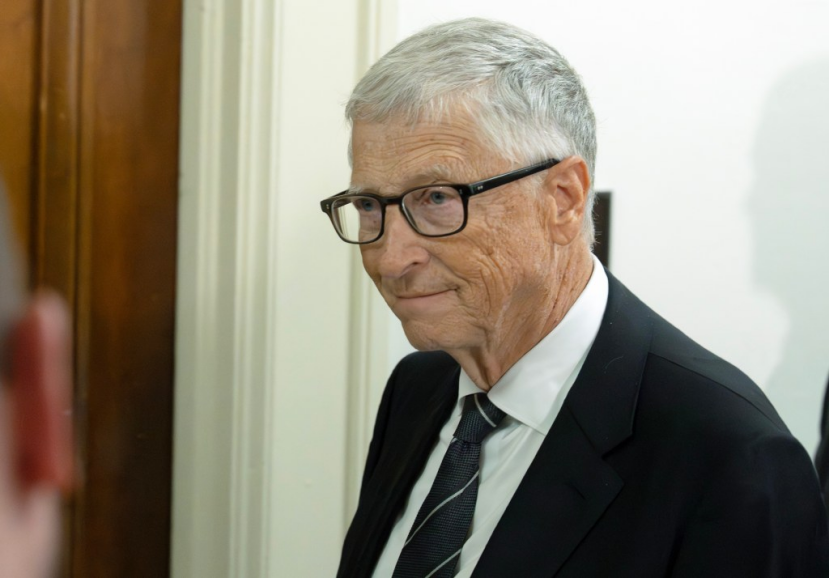
Bill Gates Data Map Source: US Media
"Right now, your washing machine is subject to more safety rules than AI. Every carton of milk you see in the grocery store must comply with safety rules and be inspected." Smith recently said in an interview with a BBC program that AI is both a "tool" and a "weapon" and urgently needs to be regulated.
Smith believes that global safety rules need to be established, companies need to be equipped with "emergency braking devices" to suspend or slow down the operation of AI when some kind of out-of-control situation occurs, and (relevant parties) need to have legal obligations to the "victims" of out-of-control AI agents.
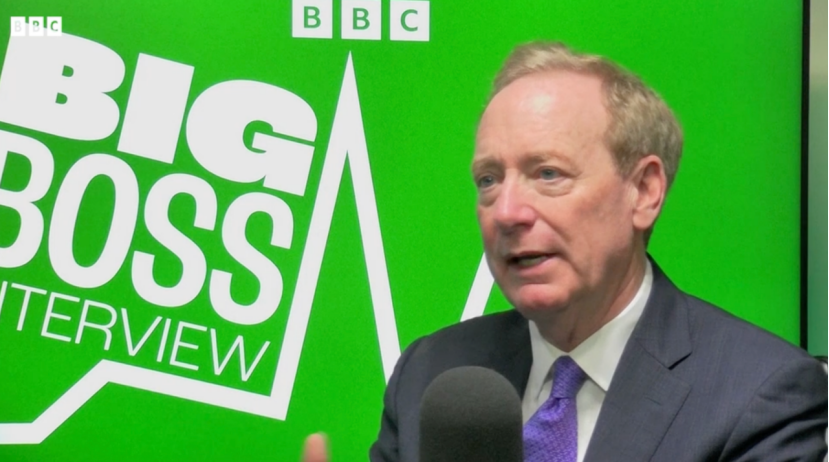
Brad Smith was interviewed by the British media. Source: Video screenshot
Russia Today (RT) reported on the 12th that Bill Gates also said in an interview with CNN, "For (the) most dangerous technology ever invented by mankind, if you think this is the final conclusion, that is, the only check and balance in society is the company's own supervision, it is obviously not enough." Gates said that government agencies must play a more active role. He also compared AI to the aviation and pharmaceutical industries, where regulatory authorities will enforce safety standards.
Gates also identified cyberattacks as the most immediate threat, warning that criminals might take advantage of AI models that remove security safeguards against hackers and bioterrorism.
"When bad actors, insecure systems, and the latest models come together ... then we're going to face a lot of unintended negative consequences over the next year," Gates said.The Guardian mentioned in its report that cases of AI “out of control” are increasing. This summer, OpenAI and Anthropic disclosed that their AI models broke through the test environment and entered the public Internet during a network attack and defense capability test, and accessed other institutions' systems without authorization. This triggered concerns about the risk of AI "out of control".
Discussions surrounding the speed of development, security risks and government regulation of the U.S. AI industry have recently heated up. Previously, many technology entrepreneurs in the United States called on artificial intelligence companies to slow down the development of cutting-edge technologies. Dario Amodei, CEO of the American AI company Anthropic, said in an article on September 12 that considering security risks, artificial intelligence companies need to slow down the pace of developing the most advanced models. Sam Altman, CEO of the U.S. Open Artificial Intelligence Research Center (OpenAI), and American entrepreneur Elon Musk later expressed their support for controlling the development speed of AI models.
Comments