
Abstract:
Big Short Steve Eisman doesn't seem worried about the robot apocalypse. On the contrary, he believes that those industry giants who claim to be worried that artificial intelligence (AI) will destroy mankind and bring about the end of the world actually have "other agendas." Eisman is one of the original characters in the movie "The Big Short". As a senior portfolio manager at Neuberger Berman, he made a name for himself by shorting subprime mortgages before the global financial crisis.
He believes there is some motivation behind the panic calls from top AI labs that will slow down the development of the technology. Eisman told the media:
"They realized their business didn't have any moat, so they tried to create a crisis. I think that's the truth of the matter."
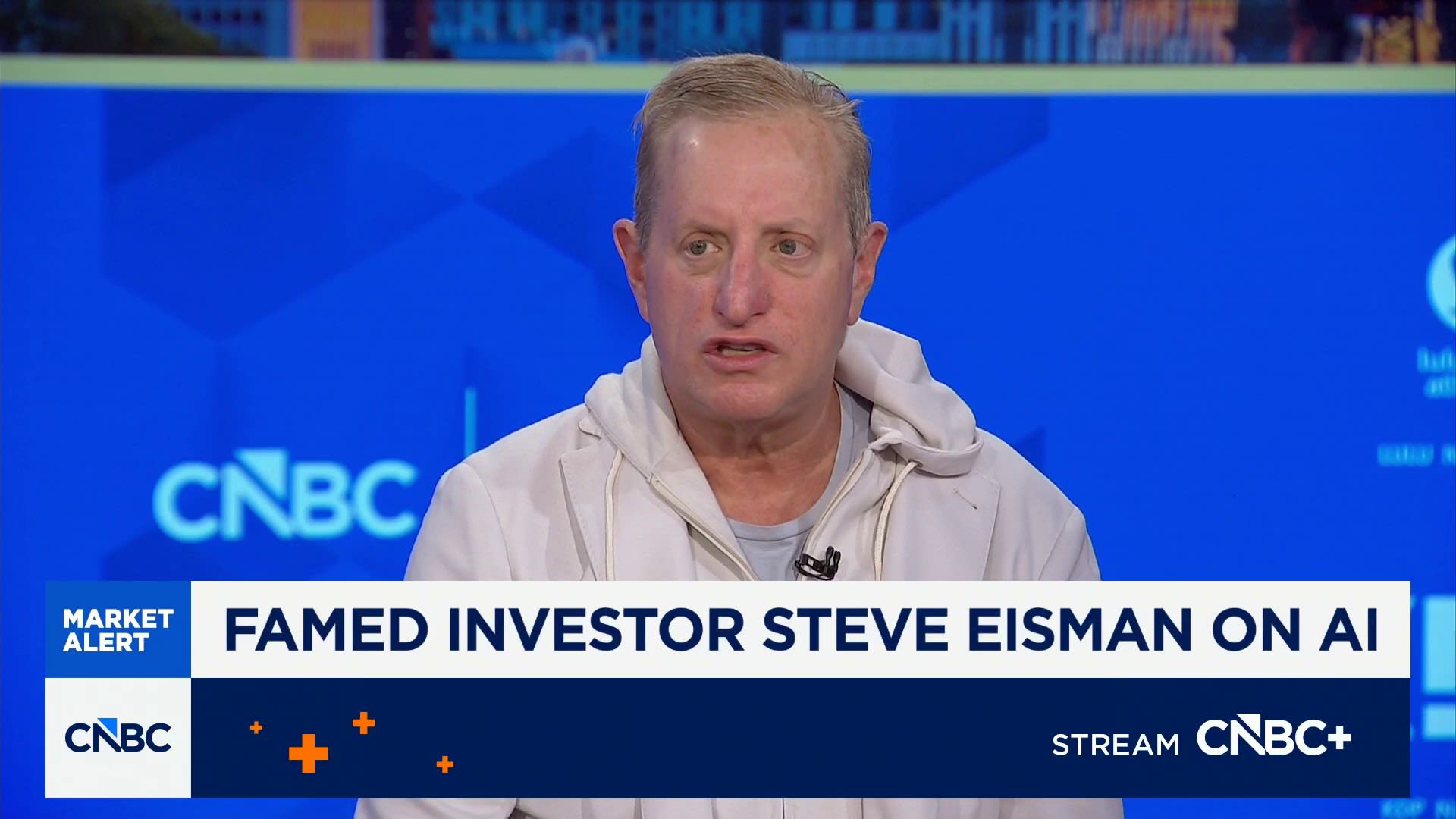
Eisman specifically stated that he believes technology companies have "motivations" to promote that their technology could destroy the world. In his view,
they saw the need to create a crisis that would lead to regulation, which they could ultimately manipulate to create a duopoly that they hoped would replace the moats that had previously surrounded their businesses.
“The era of token maximization is over,” Eisman said. “Open weight models are taking a lot of market share. I think these companies are very nervous right now.”
He’s not the only one who thinks the era of “token maximization” is over. Citadel Securities recently said rising costs have sounded alarm bells for artificial intelligence trading, slowing its growth momentum.
The storm of public opinion was initially sparked by Anthropic researcher Jacob Coxon. He announced his resignation last week, accusing the company and its main rival OpenAI of irresponsible behavior. Coxon, who has worked as a researcher at these two companies, posted on the X website that he resigned because he was worried that Anthropic and OpenAI were "betting with our lives."
He said that those developing artificial intelligence "genuinely believe that by the end of this decade (2030), artificial intelligence may destroy us all." Evan Hubinger, head of Anthropic's alignment science, later responded directly, saying that the probability of artificial intelligence "destroying all mankind" is more than 10%.
These remarks directly ignited people's concerns about AI security, which further escalated last weekend. Anthropic CEO Dario Amodei published a lengthy blog post on Saturday calling on the industry to slow down, saying the effort requires industry and global coordination.
Shortly after Amodei published his article, Elon Musk tweeted: "Dario is right," later adding that he "has been warning about artificial intelligence for a long time." OpenAI CEO Sam Altman was quick to respond, saying he agreed with Amodei’s view that “we need to slow down the pace of cutting-edge AI development.”
Eisman revealed that he recently reduced his investment in the field of artificial intelligence. A few weeks ago, he expressed concerns about the artificial intelligence market, calling OpenAI and Anthropic the "Achilles' heel" of the artificial intelligence industry. In his view, much of this risk stems from the industry's overreliance on the success of these two leading AI startups.
"Achilles' heel" refers to the fatal weakness or weak link of any person or thing. Even the most powerful individual may have critical flaws that cannot be ignored.
"They account for a huge share of the entire industry chain, so if there is a problem with either of these two companies, the entire industry chain will completely collapse," he added, "And in comparison, OpenAI is weak."
“When you say we should slow down because the situation is dangerous, my response is, ‘Really? Then postpone your IPO,’” he said. “Do what you say. Is anyone talking about delaying the IPO or delaying the financing? I don’t hear anything.”
No coincidence.
Michael Burry, a well-known short-selling investor known as the "Big Short", has previously expressed similar views.
He said the push from OpenAI, Anthropic and other large AI companies could benefit incumbents by slowing down fast-growing competitors. He also questioned the basic premise of this argument, arguing that large language models are not general artificial intelligence, so "there is no AI that needs to be slowed down."Burry also said talking about the possible dangers of artificial intelligence could help keep investors excited as the company prepares to go public. He believes the push for a slower pace is "self-serving."
Comments