
Abstract:
Bill Gates recently issued a public reminder that AI has the opportunity to level the gap around the world, but if the market is allowed to develop freely, it may also become the most serious source of inequality in human history.
In his view, the development speed of AI far exceeds the past technological revolutions of computers and the Internet. It does not need to wait for a long time and can penetrate a large number of industries such as medical care, law, and manufacturing in just a few years.
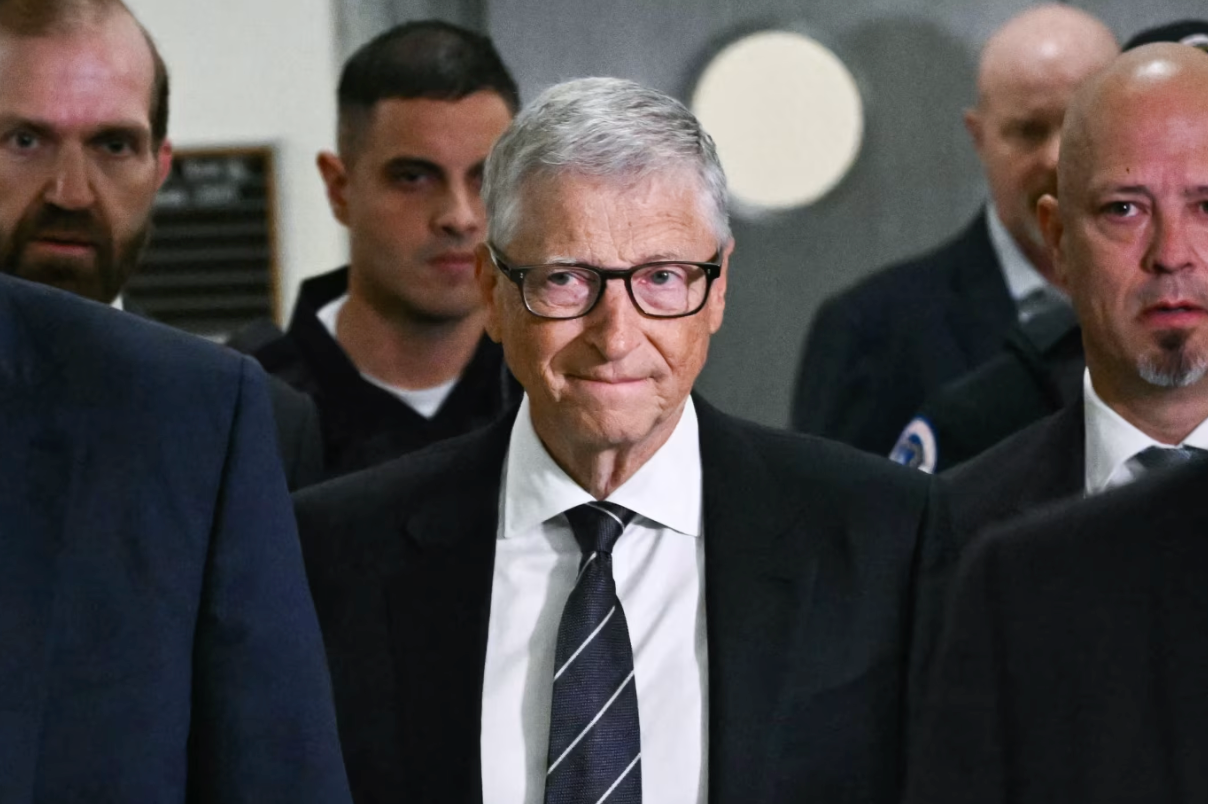
Now the world is not ready for the large-scale implementation of AI.
If there is no active intervention, the dividends will most likely fall into the hands of groups with money and infrastructure first, and poor areas will be left further and further behind.
Nowadays, more than 90% of the training data for many large models is in English, and the recognition effect of many small languages is very poor. For the same set of AI tools, the English environment recognition error rate is less than 6%. When applied to some niche languages, the failure rate directly exceeds 60%. The language gap directly makes it difficult for many developing countries to use reliable AI services.
The Gates Foundation announced that it will spend at least US$1 billion in the next two years specifically to improve this problem. Part of the money will be used to complete various small language data sets so that non-English speaking areas can also adapt to AI; the other part will be used to develop practical tools for medical care, education, and agriculture, so that ordinary practitioners can also enjoy the convenience brought by AI.
He specifically mentioned that the next 12 to 18 months will be a critical window period. How to build AI, to whom to invest funds, and how to implement it. These current choices will determine whether AI will ultimately help disadvantaged groups or only serve those who are already advantaged.
Technology itself will not automatically bring fairness, and good results will not appear out of thin air. They need to be actively promoted by humans.
He did not completely deny AI. If AI is designed properly, it can completely fill the resource gap, such as providing auxiliary diagnosis and treatment in areas where there is a shortage of doctors, and assisting teaching in areas with poor educational resources, becoming a powerful tool to narrow the gap between the rich and the poor.
But if it is completely left to the market, AI will only be designed for and serve the rich, and the global gap between rich and poor will further widen.
Many discussions now focus on whether AI will destroy humanity. Bill Gates focuses on real social fairness. Risks do not only exist in science fiction stories, but imbalanced resource allocation is a real problem that must be faced now.
Comments