
Abstract:
Meta CEO Mark Zuckerberg reportedly expressed concerns about plans to establish a national artificial intelligence regulator in a previously undisclosed call with U.S. President Trump last month. It marks the entry of one of the world's top tech executives into a divisive policy debate within the White House.
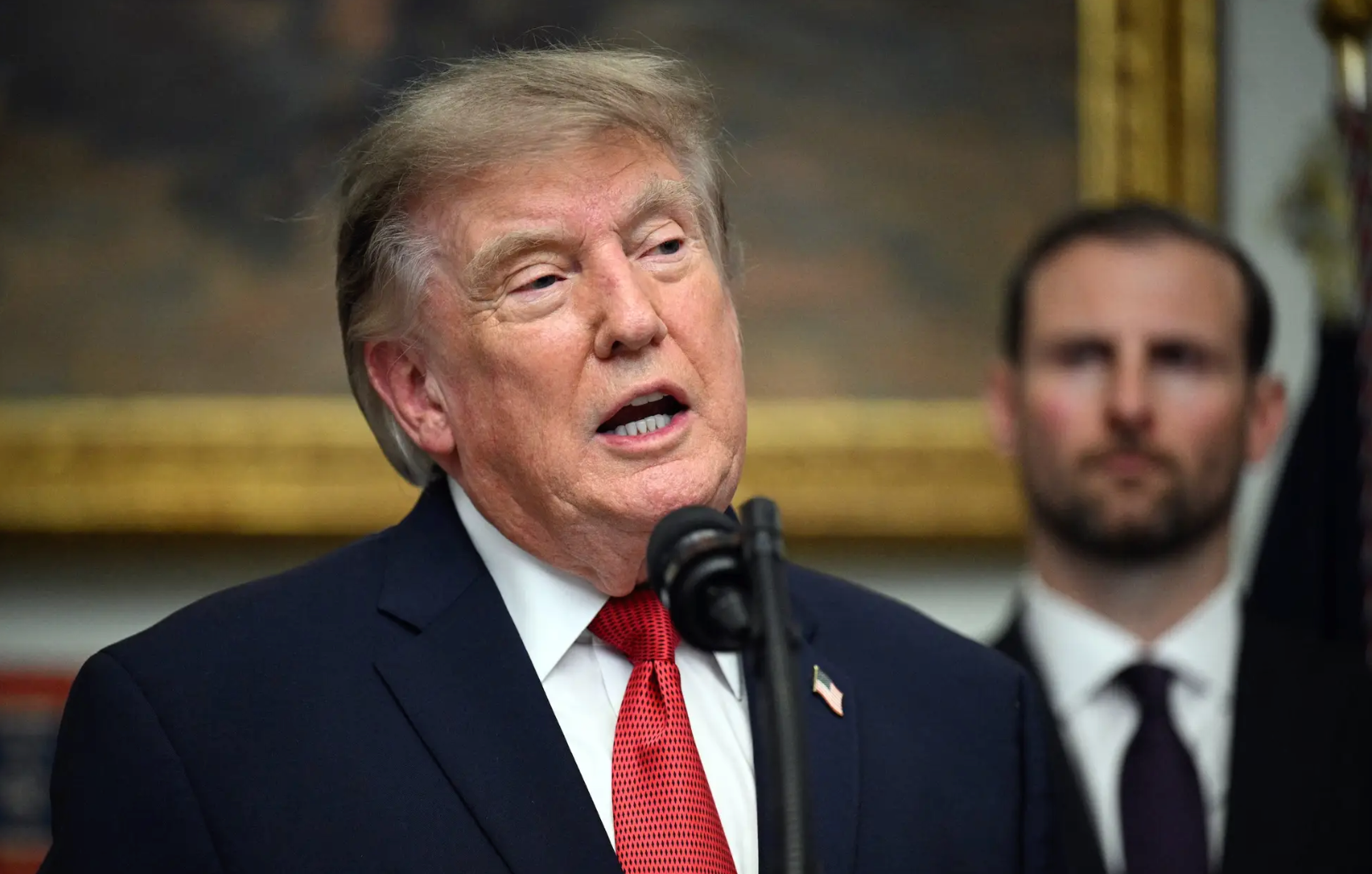
The proposal was vigorously promoted by Nobel Prize winner and Google scientist Demis Hassabis, and also received support from some senior White House officials. The proposal is to establish an independent agency based on the model of the US Financial Industry Regulatory Authority (FINRA). FINRA is an organization responsible for regulating the securities industry under the supervision of the U.S. Securities and Exchange Commission (SEC). White House officials envision the new agency reviewing advanced AI models and testing them for potential risks before they are deployed at scale.
When Trump spoke directly to Zuckerberg the week of August 17, Zuckerberg expressed opposition to the proposal, according to a senior White House official with direct knowledge of the call.
Another person familiar with the situation said that Zuckerberg did not ask Trump to change his position, but told Trump. The personnel the White House intends to appoint to the regulatory agency should reflect Trump's own regulatory thinking on artificial intelligence - which is generally believed to favor loose regulation. The person familiar with the matter also revealed that it was Trump who took the initiative to call Zuckerberg.
The White House official said that in mid-August, senior White House officials first introduced to Trump the proposal to establish an industry regulatory agency modeled on the Financial Industry Regulatory Authority, and then separately communicated with major technology companies such as Meta, OpenAI, and Anthropic, and then there was a call between Trump and Zuckerberg.
The U.S. Financial Industry Regulatory Authority (FINRA) is an industry-led agency that serves as the front-line regulator of the U.S. securities market and is responsible for formulating and enforcing new regulations for broker-dealer companies. It reports to the U.S. Securities and Exchange Commission (SEC), and its board of directors includes representatives of member companies of the agency. The self-regulatory agency oversees more than 3,000 financial firms from which the agency's operating funds come.
However, while the responsibilities of the AI industry watchdog may include reviewing new models, the Financial Industry Regulatory Authority itself is rarely responsible for approving various new investment products.
The idea of an AI regulator was popularized by Google’s Hassabis. In an article in July, he proposed that the United States should establish a new “standards agency” based on the Financial Industry Regulatory Authority (FINRA) to deal with artificial intelligence-related risks such as new cybersecurity threats. An administration official familiar with the matter said Hassabis briefed White House officials on the idea this summer.
A spokesman for Meta declined to comment. A White House spokesperson said in a statement: "The Trump administration is committed to balancing innovation and safety in artificial intelligence policymaking."
The phone call between Zuckerberg and Trump highlights the conflicting pressures senior White House officials face when formulating artificial intelligence policies. It also reflects the reality that any plan drawn up by the White House is likely to be privately opposed by companies directly to Trump, resulting in many variables.
This is not the first time that the current government’s AI policy-making process has encountered unexpected changes. In May this year, technology investor and White House adviser David Sachs called Trump on the morning of the scheduled signing ceremony of a comprehensive artificial intelligence executive order and successfully persuaded him to postpone the signing, disrupting the process of issuing the executive order.
Over the past few months, Trump’s private communications with technology executives have become an informal part of the policy-making process—conversations that can sometimes delay or change initiatives after initial plans have been developed within the administration, to the frustration of top White House officials. The call with Zuckerberg did not eliminate the idea of a new industry regulator, a proposal that remains under ongoing discussion within the White House.
Comments