
Abstract:
Cybersecurity researcher Jeremiah Fowler recently discovered a publicly accessible very large database containing nearly 2 billion credential records involving usernames, email addresses and passwords, covering many popular online services around the world. Even more worryingly, the database also includes authentication data that could allow cybercriminals to hijack accounts even if two-factor verification is turned on.
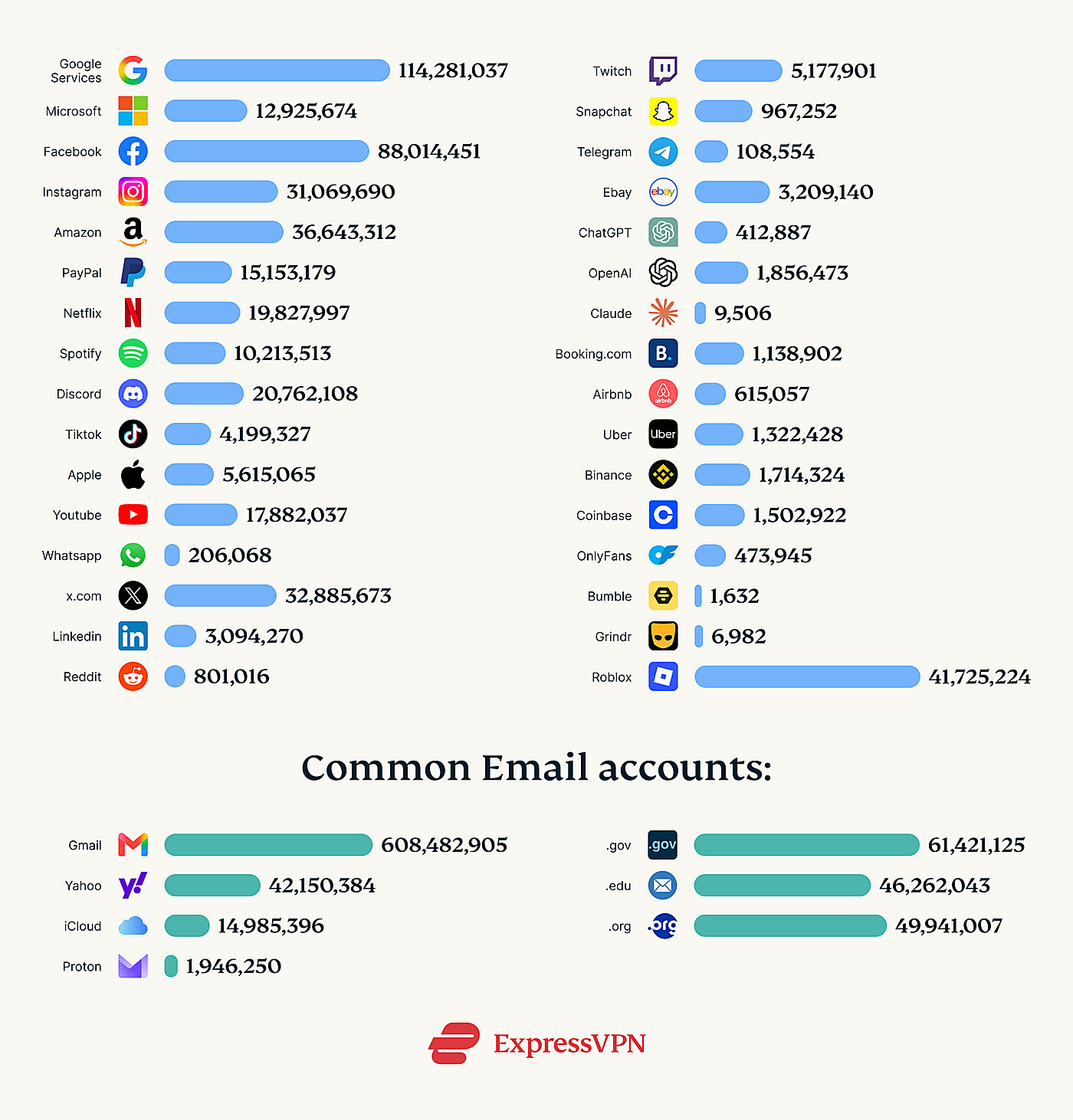
According to research published by Fowler in partnership with ExpressVPN, the database contains 8,471 folders of sensitive information and is the largest credential exposure the researcher has discovered to date, more than 13 times larger than the 149 million compromised login records he previously discovered.
From the perspective of service distribution, Gmail has the most records, about 608.48 million; Google services, about 114.28 million; Facebook, about 88.01 million; Roblox, about 41.73 million; Amazon, about 36.64 million; X (formerly Twitter), about 32 890,000; Instagram approximately 31.07 million; Discord approximately 20.76 million; Netflix approximately 19.83 million; YouTube approximately 17.88 million; PayPal approximately 15.15 million; Microsoft approximately 12.93 million; Spotify approximately 10.21 million.
Artificial intelligence platforms also appear in the leaked data, including about 1.86 million records related to OpenAI, about 413,000 records related to ChatGPT, and about 9,500 records related to Claude, a subsidiary of Anthropic. The database also contains approximately 61.42 million records related to .gov government email addresses, highlighting the potential risks that government agencies may face.
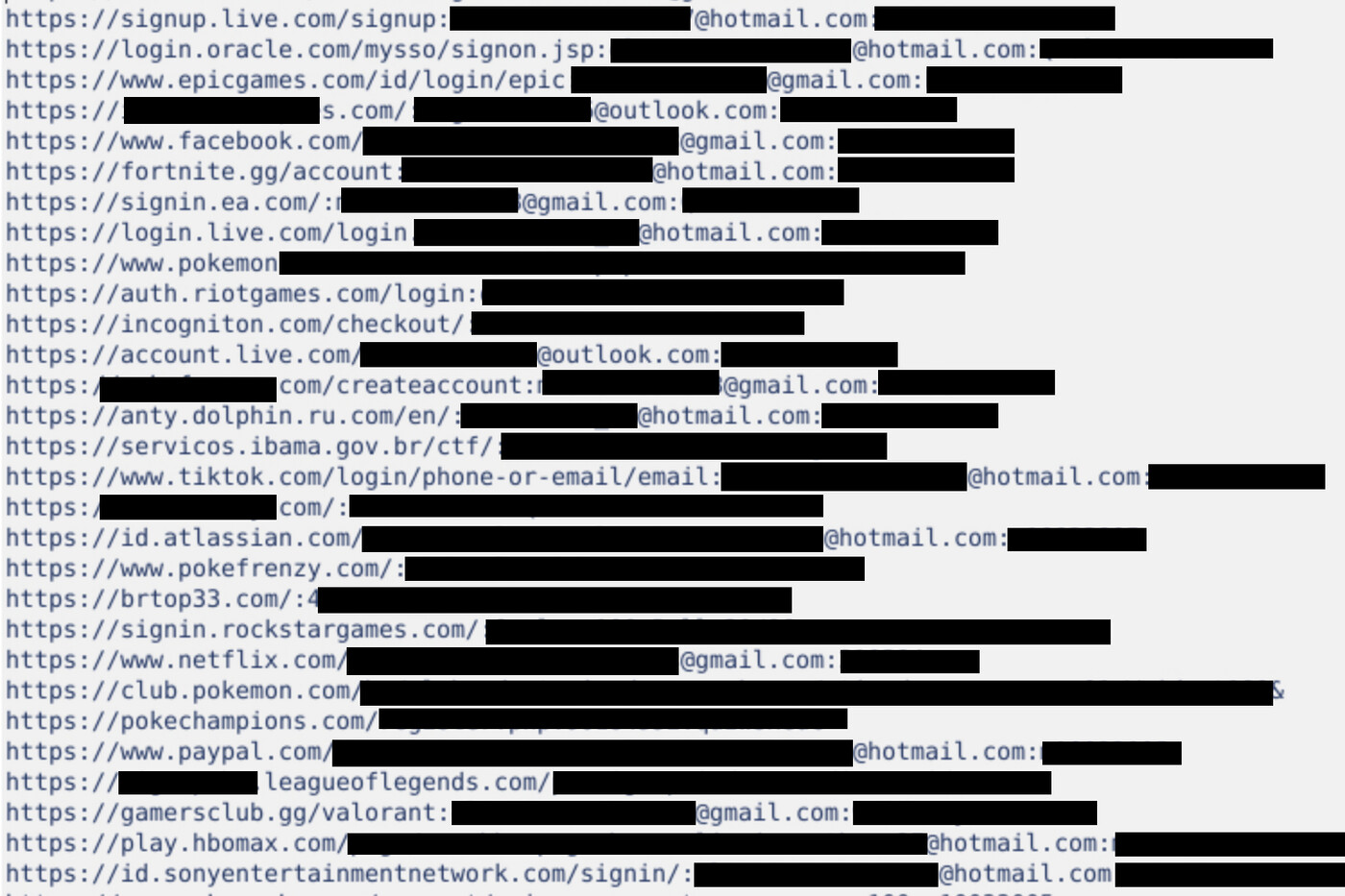
It should be emphasized that these numbers do not necessarily represent the number of unique users, nor do they mean that the relevant credentials are still valid. Data sets may contain duplicate entries, expired passwords, and information that has been previously compromised. In addition, there is currently no evidence that the internal systems of the above-mentioned companies have been directly compromised. The data is more likely aggregated from multiple sources, including data scraped by information-stealing malware.
The most troubling part of Fowler's discovery is that the information exposed goes far beyond traditional usernames and passwords. Approximately 400,000 documents appear to be from more sophisticated malware capable of collecting large amounts of information from victim devices, including browser cookies, session tokens, system information and application data.
According to the MITER ATT&CK Cybersecurity Framework, stolen authentication cookies could allow attackers to impersonate users who have already logged in without having to go through two-step verification again. This means that simply changing your password may not be enough to completely resolve the problem.
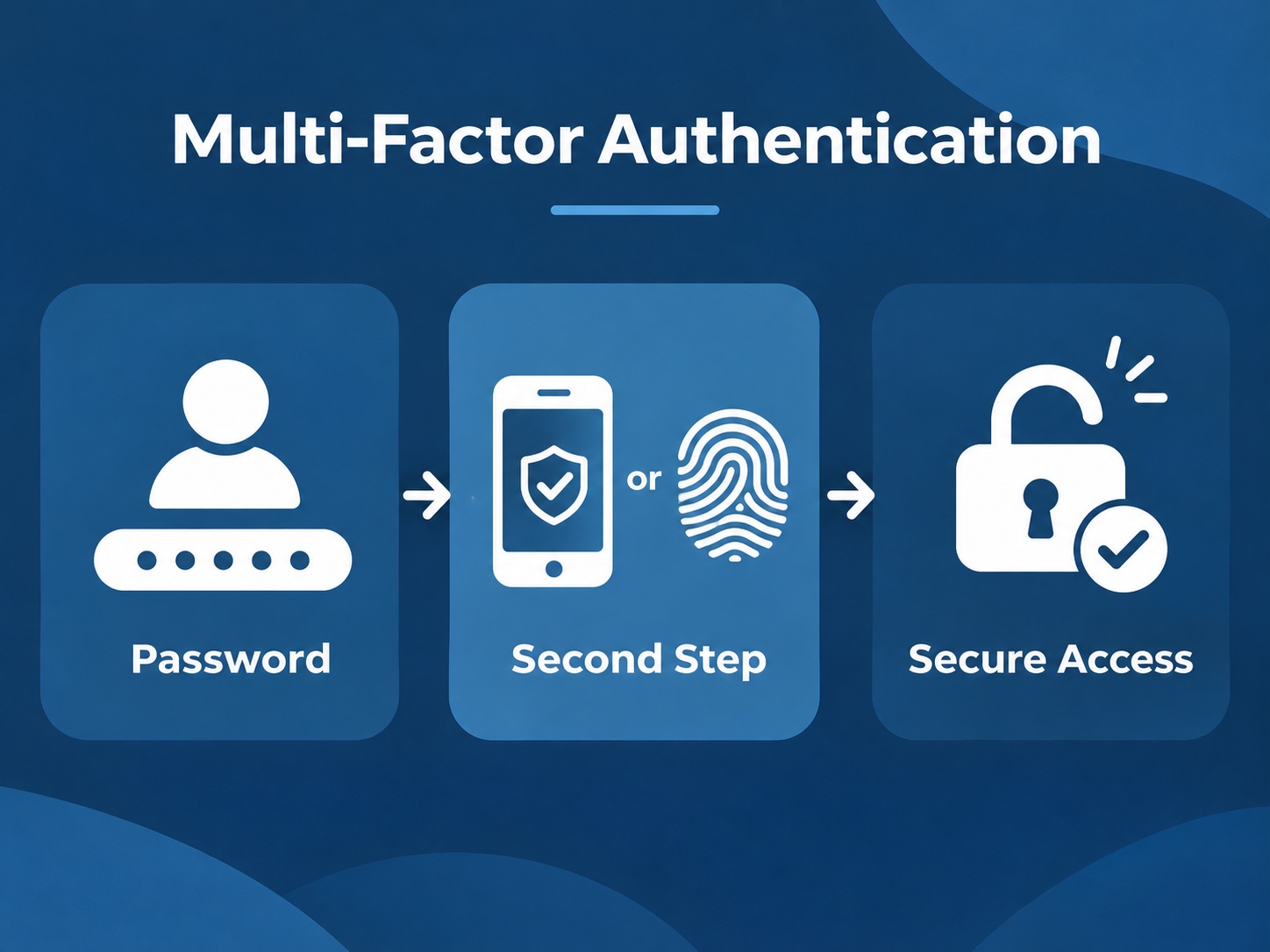
Therefore, users who suspect their device has been compromised should take several steps: scan and thoroughly clean potentially infected devices; use another trusted device to change compromised passwords; revoke currently active login sessions and remove unfamiliar devices; use strong and unique passwords for each online service; and enable multi-factor authentication where possible.
Public access to the database has been restricted days after Fowler notified the database host. However, the owner of the database remains unknown, and it cannot be determined whether a third party accessed or copied its contents prior to its disclosure.
A compromised computer can expose dozens or even hundreds of online accounts. This discovery is yet another reminder that protecting the devices used to access your digital life is just as important as protecting the accounts themselves.
Comments