
Abstract:
Friends who often pay attention to bad reviews should know that we always participate in several international events every year, such as Apple conferences, CES, MWC, etc. In short, we can fly around the world. After traveling a lot, a bunch of charging adapters slowly appeared in the office. There are all kinds of square feet and round feet. Every time my colleagues come back from different places, they throw one here, just like a traveling frog.
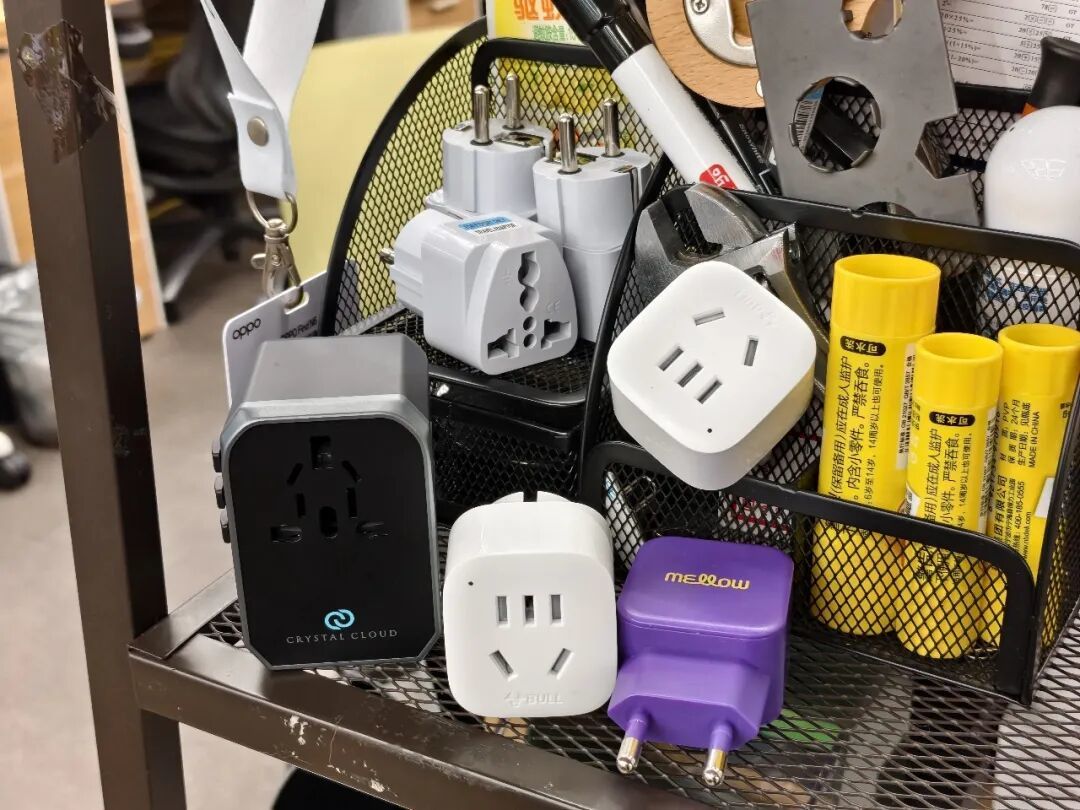
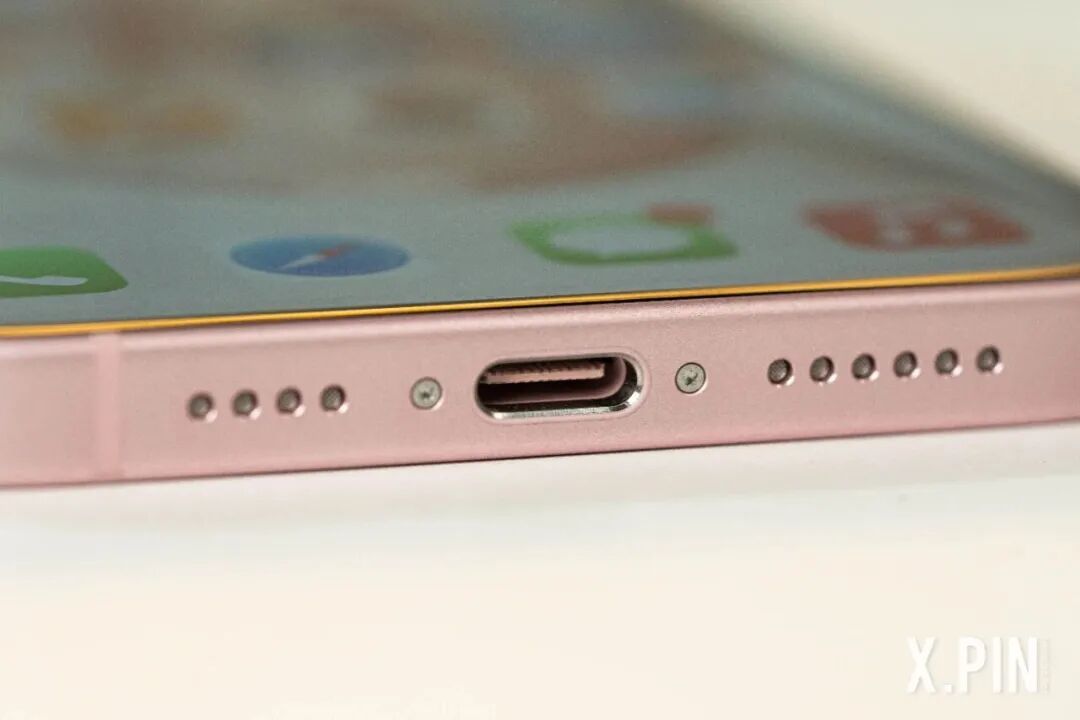
Looking at the pile of specialties brought back from all over the world, Tony was a little puzzled. The mobile phone interfaces have been unified by the European Union into Type-C. Can’t the sockets around the world be unified and the converters be retired early?
For example, although they are all EU countries, the charging plug that works in France may not be able to be plugged in when you arrive in Ireland. If you go to other parts of Europe, you can still see three holes arranged in a straight line in Italy and three round holes arranged staggered in Switzerland. When traveling to Europe, you can only take one data cable, but you need to bring a basket of adapters.
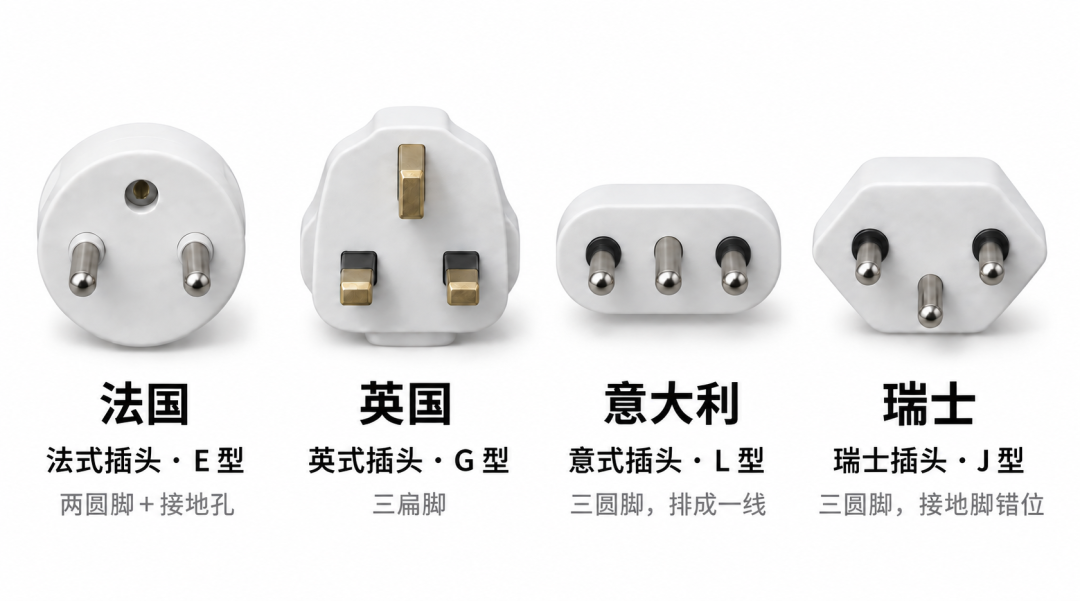
In more than 40 European countries, 7 different socket systems are used...
This makes Tony a little curious: The EU can even promote the unification of Apple's charging interface, but why has it been unable to unify its own wall sockets?
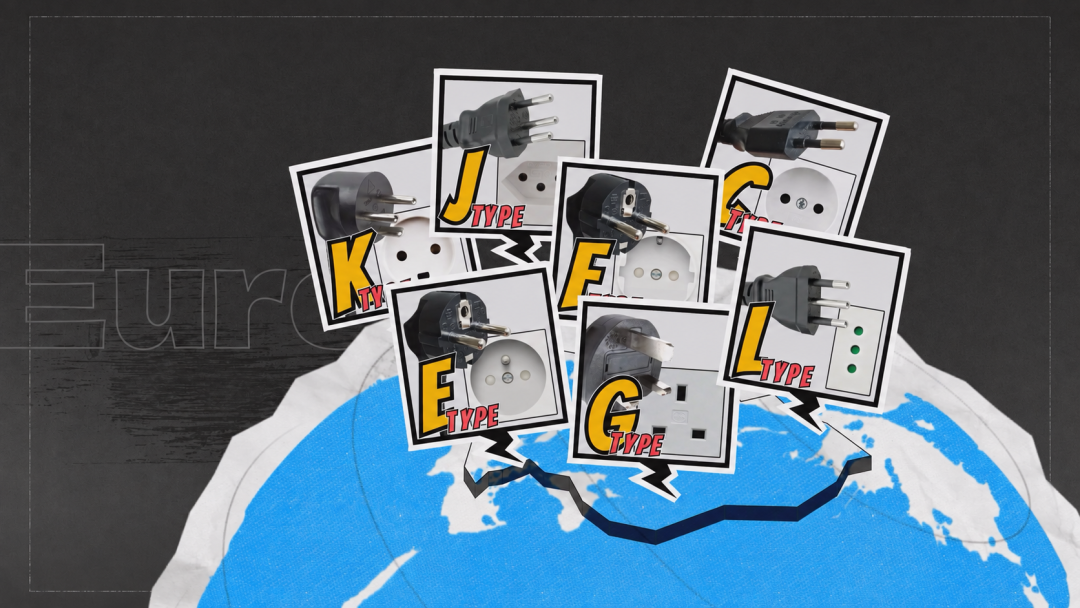
So Tony followed this clue and discovered that the real problem is that designing a new socket that everyone can use and asking everyone to replace the old sockets they are using are completely different things...
First of all, this is because wall sockets have been developed for decades in conjunction with local residential wiring, safety regulations, and home appliance design.
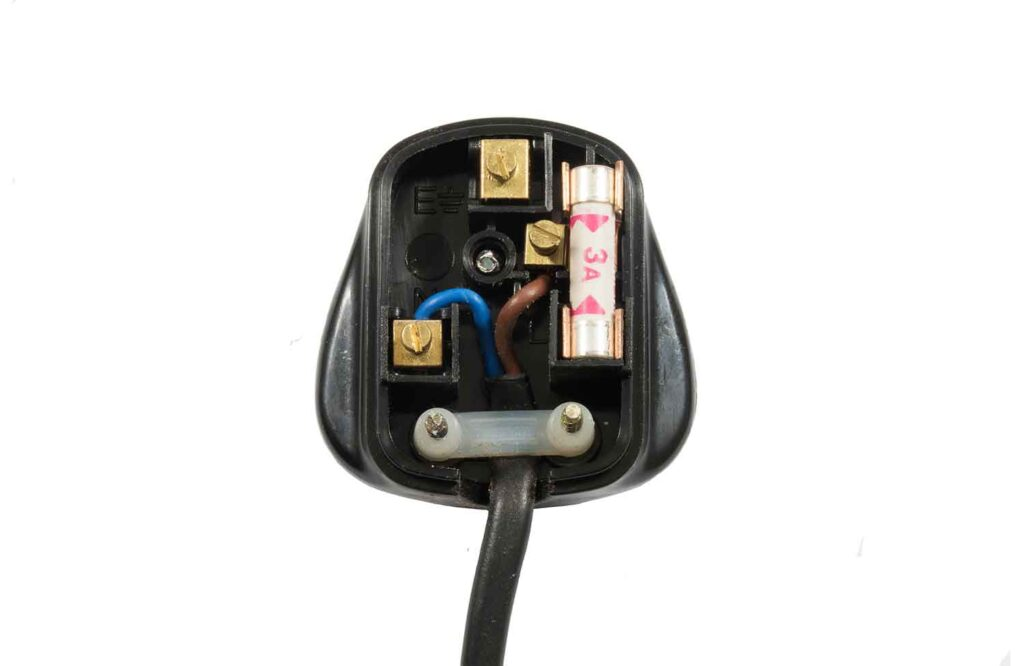
Let’s talk about the situation in the UK first. Many people will think that the British plug is big and bulky when they see it for the first time. The reason is that there is something hidden in it that many other countries’ plugs do not have: a fuse.
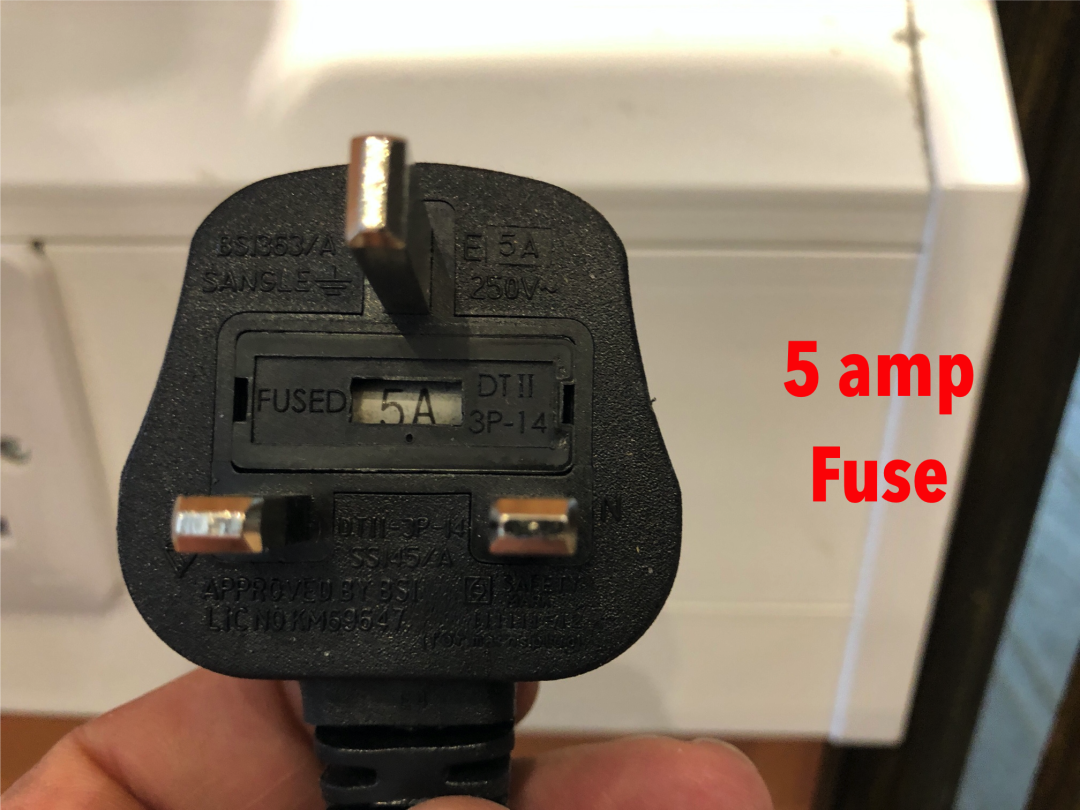
This unique design began with the British design of power supply solutions for post-war residential reconstruction.
Materials were in short supply at the time. Engineers wanted to save copper and install more sockets in their homes, so they adopted a ring loop. The lines started from the distribution box, passed through multiple sockets, and then returned to the distribution box.
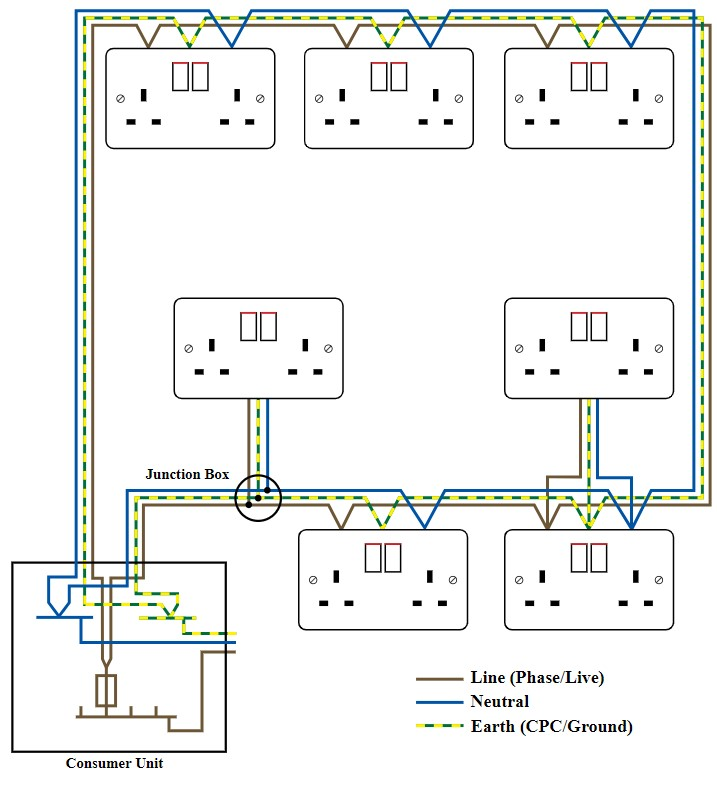
In this way, electrical appliances can receive electricity from both ends. According to the history of the British Institute of Engineering and Technology, this solution was thought to save about 30% of copper at the time.
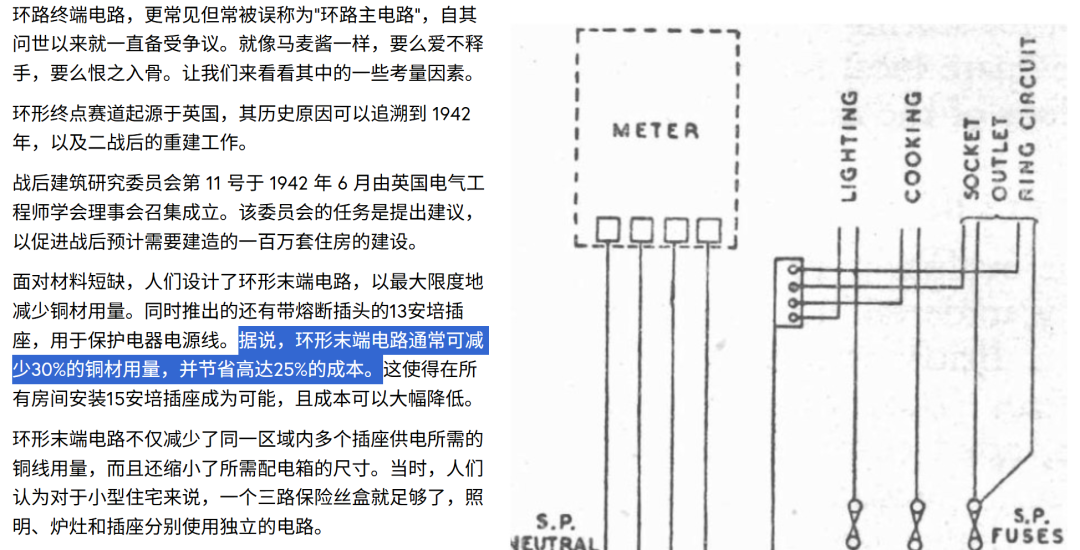
However, this design is not perfect. The loop itself can withstand relatively large currents, but the wires used in electrical appliances are not so able to handle the problem.
Relying solely on the protection device in the distribution box may not provide sufficient overload protection for every electrical appliance.
So, the British solution is to put another fuse in the plug to cut off the power supply in case of overcurrent.
You see, the wiring method in the wall determines the rationality of a plug form. As for grounding and preventing accidental contact, countries have taken different routes.
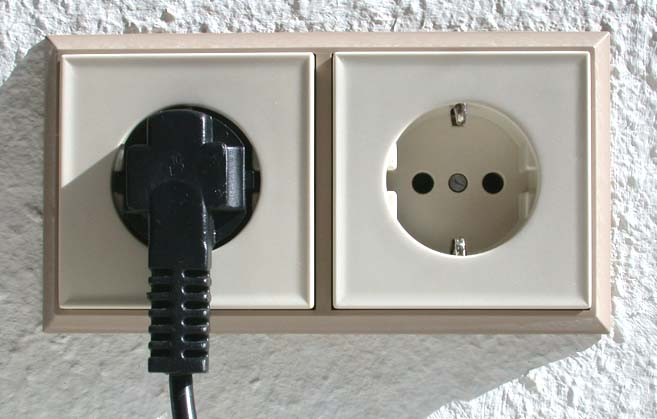
For example, the common Schuko system in Germany is grounded through the metal contacts on the side of the plug and socket; in France, the grounding pin is placed on the socket, and the plug leaves a hole to match it.
British sockets also require a protective door to cover the internal live contacts, and use a longer grounding prong to open the protective door, so you sometimes see a plastic grounding prong British standard plug, its function is simply to open the door.
3D printing small accessories for opening British standard protective doors
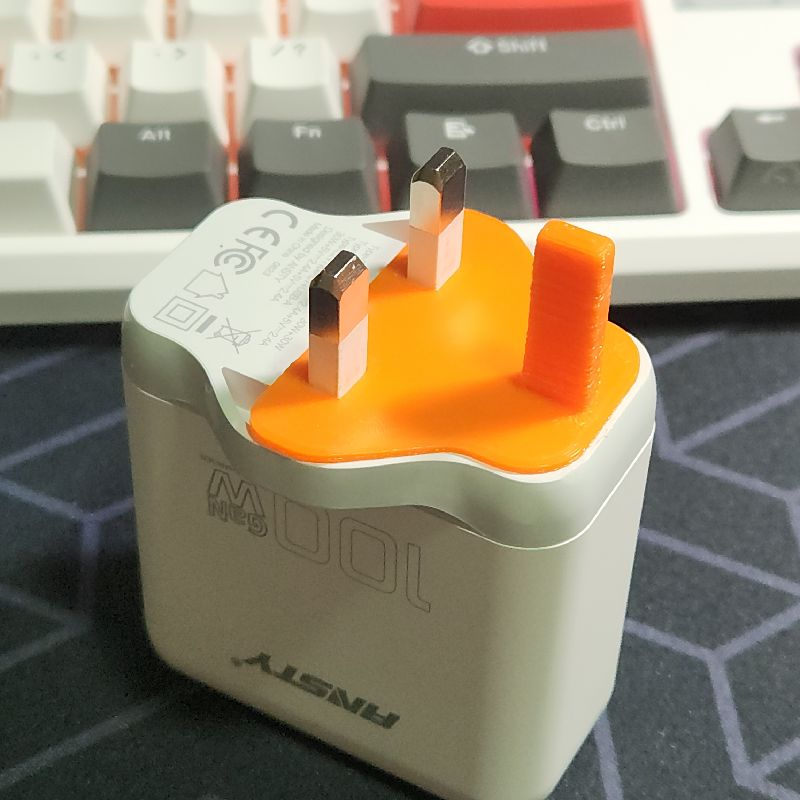
To put it bluntly, everyone is pursuing electrical safety, but they have chosen different methods. In the end, plugs and sockets have different shapes.
But looking at the world, if you want an electrical appliance to travel around the world, it is not enough to unify the shape of the plug. Another big obstacle is voltage and frequency.
Here Tony has to give you an example of the voltage history of the United States.
In 1882, Edison's Pearl Street Station in New York began producing electricity, using 110 volts of direct current. Why choose 110 volts?
The voltage was too low, and more current was needed to deliver the same power, and the copper wires were thicker and more expensive; the voltage was too high, and it was difficult for the carbon filament lamps at that time to work stably. In the end, 110 volts was the chosen compromise.

In the early days of human circuit construction, what light bulbs can be used and how much it costs to build circuits will all affect the choice.
Once light bulbs, wiring, and user equipment are deployed around a certain voltage level, subsequent changes must take care of existing equipment.
Later, alternating current gradually replaced direct current, but the voltage of about a hundred volts used by early equipment continued.
With the adjustment of power supply technology and standards, the United States has experienced nominal values such as 115 volts, gradually forming the 120 volts common in ordinary household sockets today.
Similar situations can be encountered in Japan without even crossing the border.
Eastern Japan mainly uses 50 Hz alternating current, while western Japan mainly uses 60 Hz. The reason is simple. In the early days, Tokyo introduced 50 Hz generators from Germany, while Osaka bought 60 Hz generators from the United States.
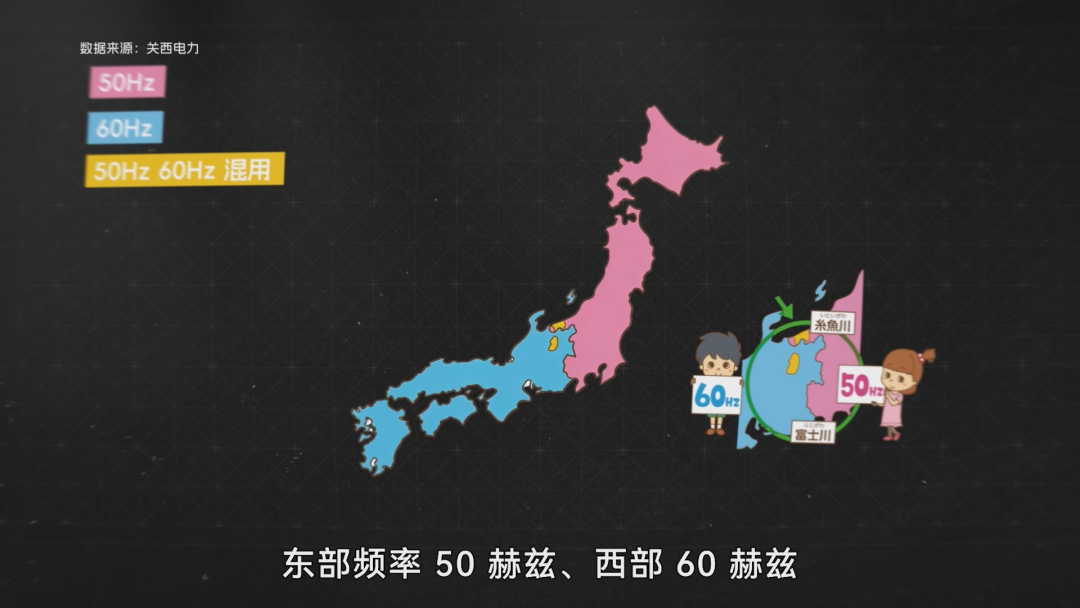
In fact, at the beginning, each region developed its own power supply, and this difference did not matter. However, as the power grids on both sides grew larger and larger, they needed to transmit power to each other. At this time, if they wanted to unify the frequency, they would have to modify a large number of equipment, which was too expensive. Therefore, the "East 50, West 60" pattern has continued to this day.
This just proves that electricity standards are often formed in the process of being first used in various places and then gradually expanding in scale. Only when cross-border travel and home appliance trade became more and more common did everyone feel the trouble of mutual incompatibility more strongly.
At this time, some friends may ask: How about redesigning an international standard and letting everyone change slowly?
In fact, someone has done this before.
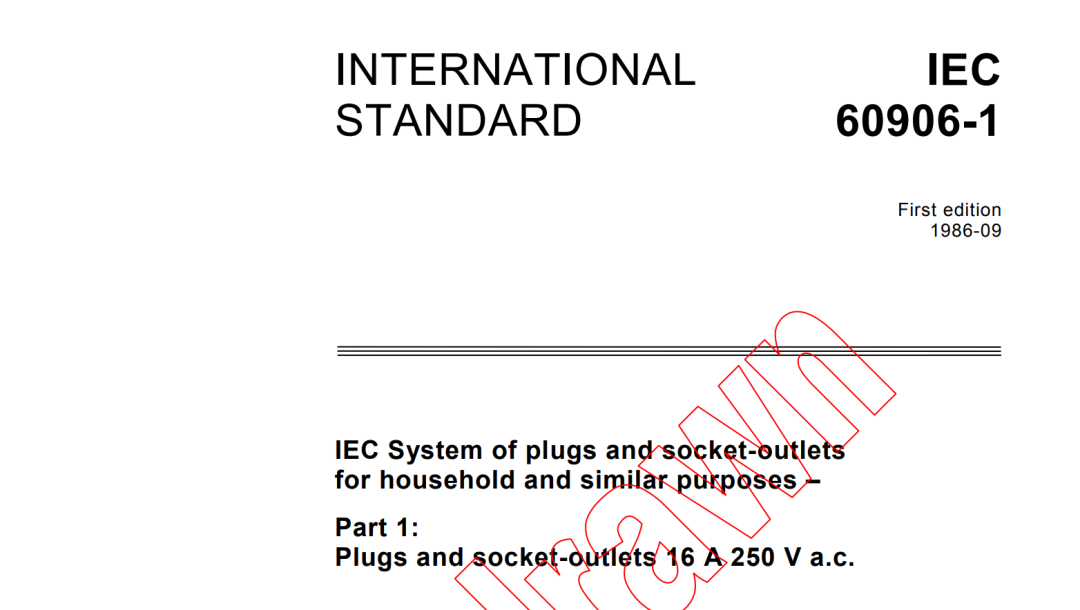
As early as 1986, the International Electrotechnical Commission issued IEC 60906-1, which prepared a unified household plug and socket scheme for areas using 200 to 250 volt alternating current.
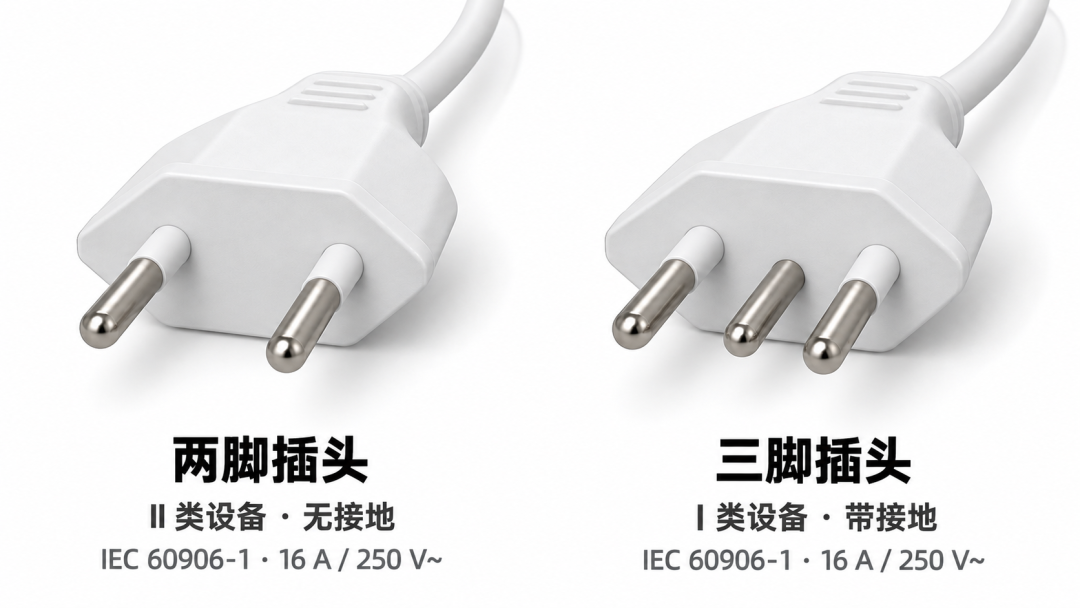
The grounded version uses three round legs, two of which are responsible for power supply. The grounding leg in the middle is slightly staggered to form a flat triangle; devices that do not require grounding also have corresponding two-leg versions.
Assuming that everyone has reached an agreement, they look forward to how convenient it will be if the plugs are unified in the future, and they don’t ask how much it will cost. They happily go home and replace all the new sockets in the house according to this standard.
As a result, the old appliance found itself becoming a clown. During this transition period, Tony felt that the adapters must be sold out...
This is just a troublesome point, without counting the cost that the entire society will pay for it.
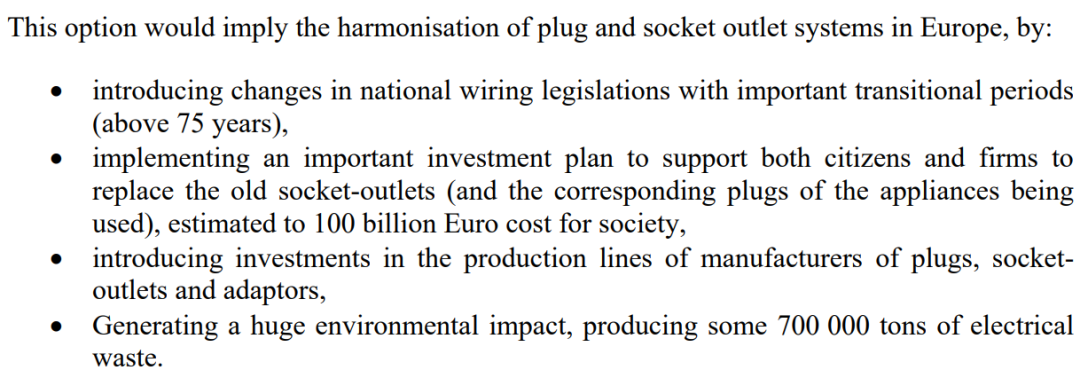
In 2017, an opinion on plugs and sockets passed by the EU REFIT platform pointed out that if plugs and sockets were unified across Europe, the social cost would be about 100 billion euros, about 700,000 tons of electrical waste might be generated, and the transition period for the coexistence of old and new systems might exceed 75 years.
So sometimes when new standards are formulated, it is not necessary to replace the old sockets.
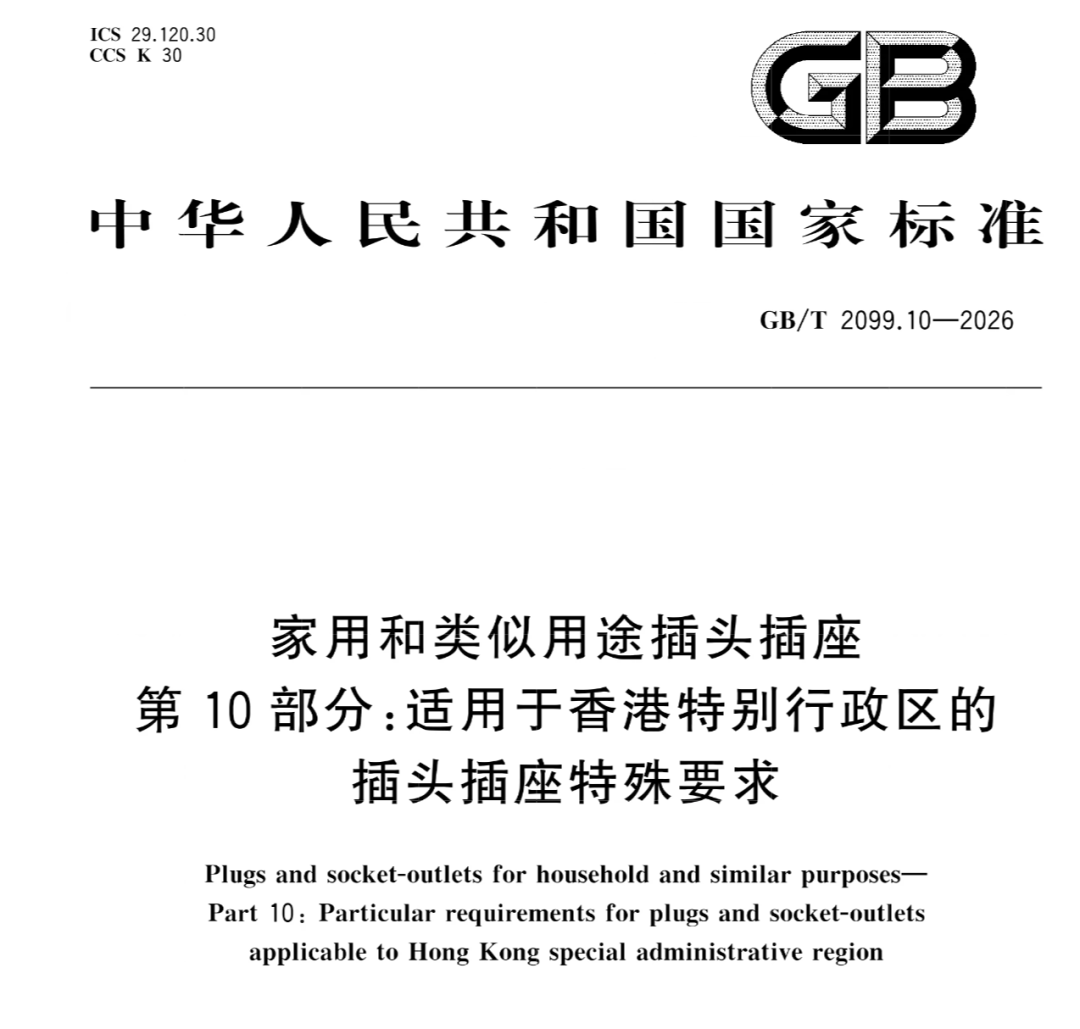
For example, the national standard for plugs and sockets released this year in China and applicable to Hong Kong stipulates product requirements such as size coordination, grounding, and protection against electric shock. This does not mean that Hong Kong residents should replace wall sockets with mainland styles.
After all, for people who often go abroad, it is really convenient to carry less adapters, but for more people who live locally for a long time, everything at home is fine, so what are you asking me to replace them all?
If the code can run, just don’t mess with it.
Compared with unifying sockets, the EU's unification of Type-C seems much more reasonable. After all, mobile phones will be gradually updated with the purchase of new phones, but wall sockets will not be updated with mobile phones.
However, although the sockets cannot be unified for the time being, we may also be able to change our thinking and make the plugs compatible with more sockets
.
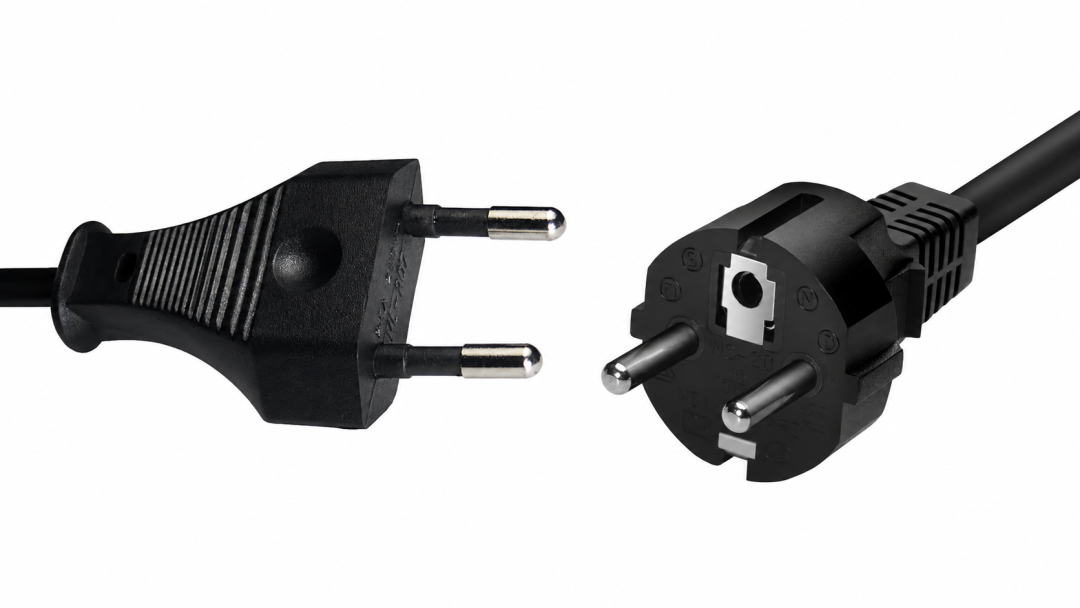
For example, the common CEE 7/7 plug has both the side grounding contacts required by German sockets and the holes used for the grounding pins of French sockets. The two-round-pin Europlug can also be adapted to a variety of European sockets.
Looking back, mobile phone chargers have a similar idea. If you observe carefully, you can find that many chargers support 100-240 volt, 50/60 Hz input and can adapt to the power supply in different regions.
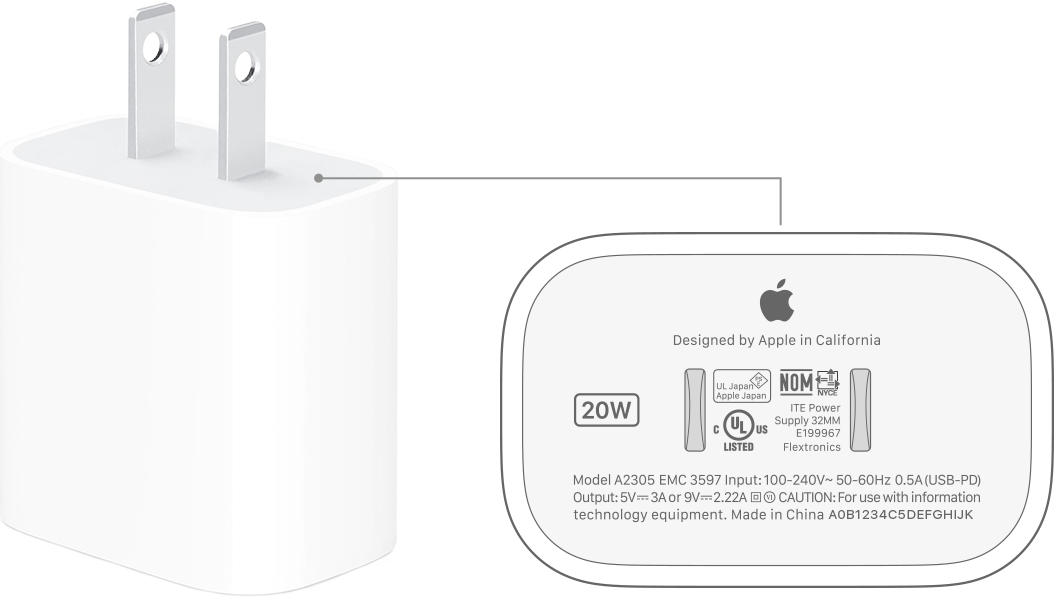
So when you go abroad, you only need to bring an adapter, which is already the result of optimization of the Earth Online code.
In the final analysis, what the wall socket looks like is a choice made by various places over the past hundred years. Behind every choice, there are connections to a large number of already existing homes and appliances.
Unified interfaces are certainly valuable, but replacing old infrastructure also has costs. What engineers and policymakers need to consider is how to make equipment more convenient and safer to use at a reasonable cost.
Until this account is settled, everyone should continue to carry their adapters.
Comments