
Abstract:
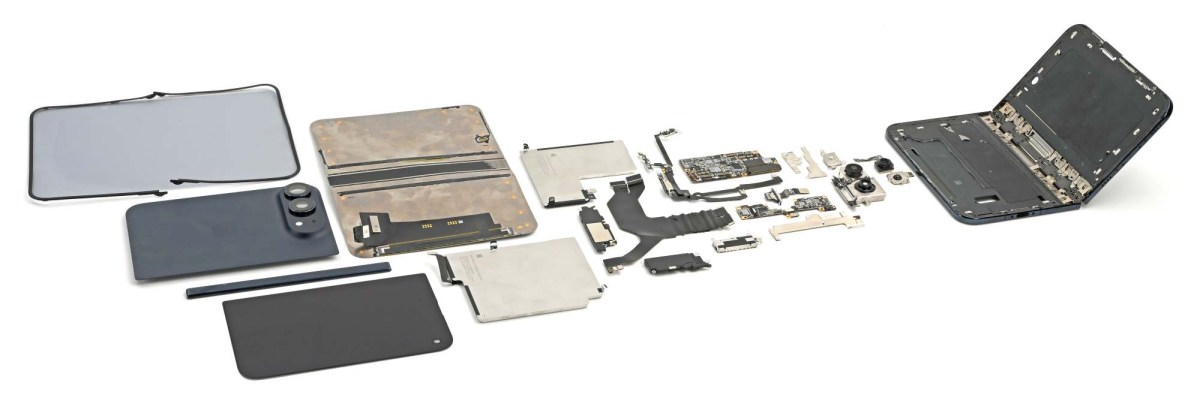
After Apple’s first foldable screen phone iPhone Duo was officially launched, the repair organization iFixit released a disassembly analysis of the device. The results show that the internal components of the iPhone Duo are relatively easy to disassemble, and the battery is fixed in a way that is easy to repair. It performs relatively well among folding screen phones. However, the complex hinge structure inside the device has caused concerns, especially the hinge stuck and internal screen damage reported by some users recently, which has put the long-term durability of this product into focus.
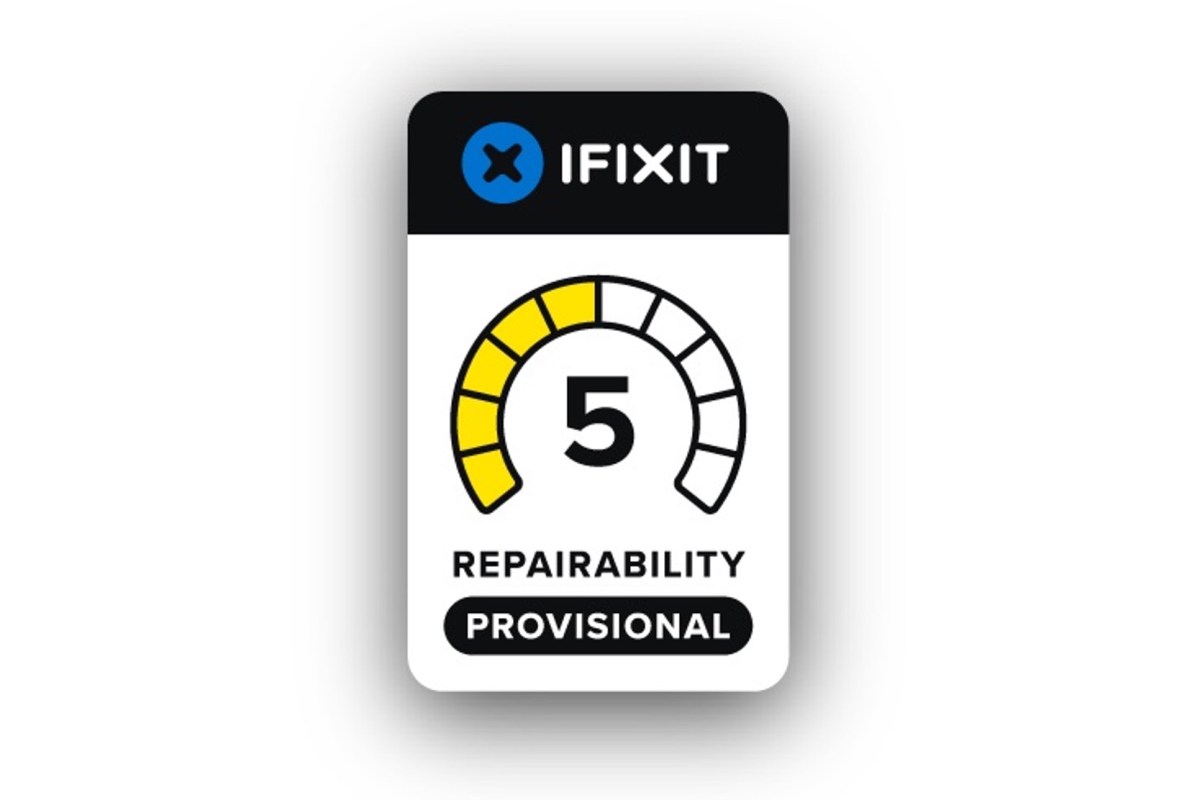
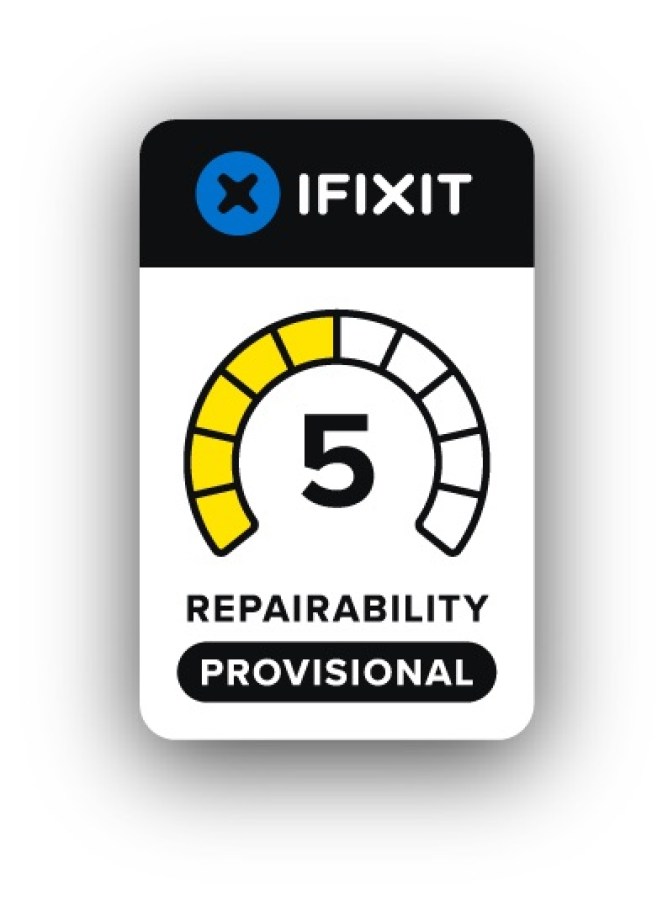
According to iFixit's evaluation, iPhone Duo has a repairability score of 5 out of 10. For comparison, Samsung Galaxy Z Fold8 scored 4 points, while the previous generation Galaxy Z Fold scored 3 points. This means that although the internal structure of folding screen mobile phones is generally more complex than traditional straight mobile phones, Apple has still made certain improvements in component layout and disassembly design.
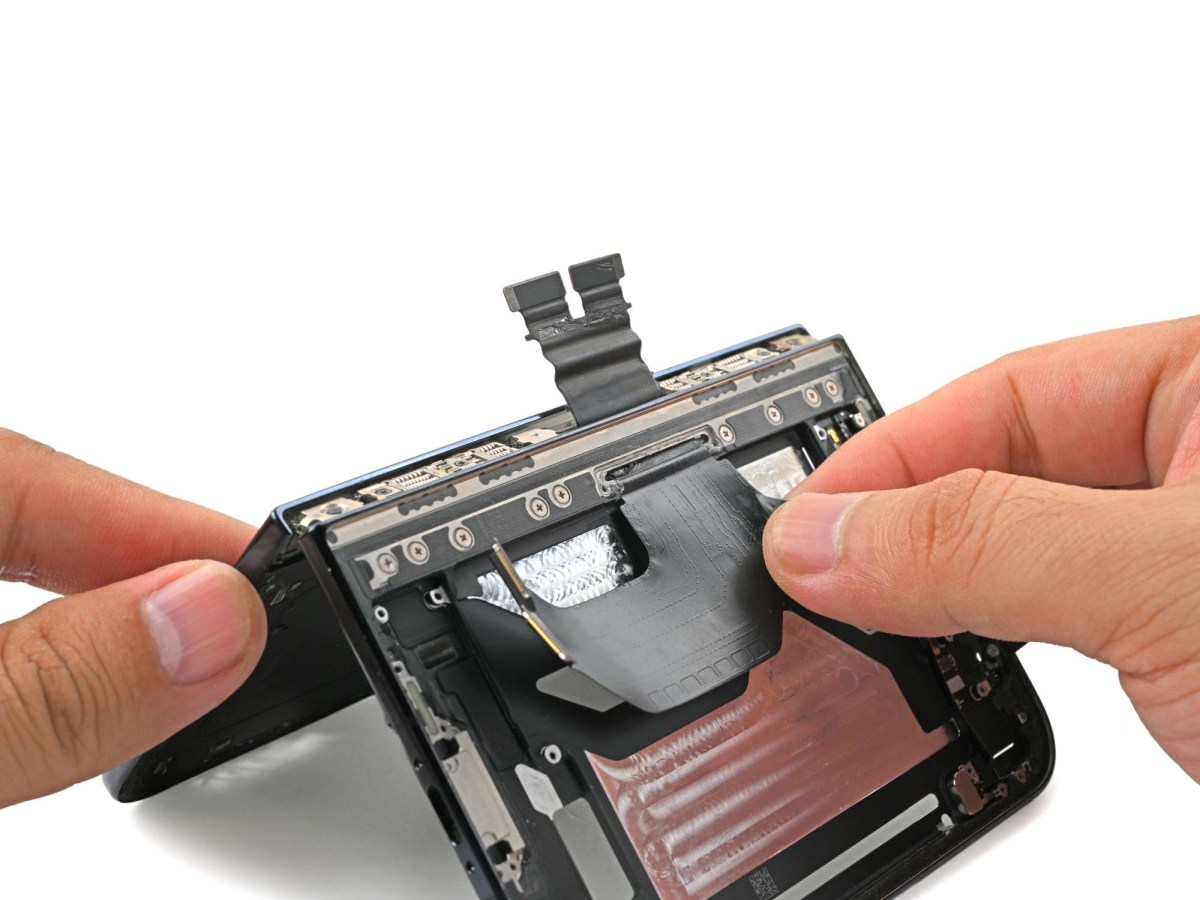
The disassembly video shows that the outer screen of the iPhone Duo is relatively easy to disassemble. Repair personnel can remove it using common tools such as suction cup clamps and picks without having to dismantle the interior of the fuselage deeply. This design helps reduce the complexity of some repairs and also reduces the risk of damage to other components when replacing the outer screen.
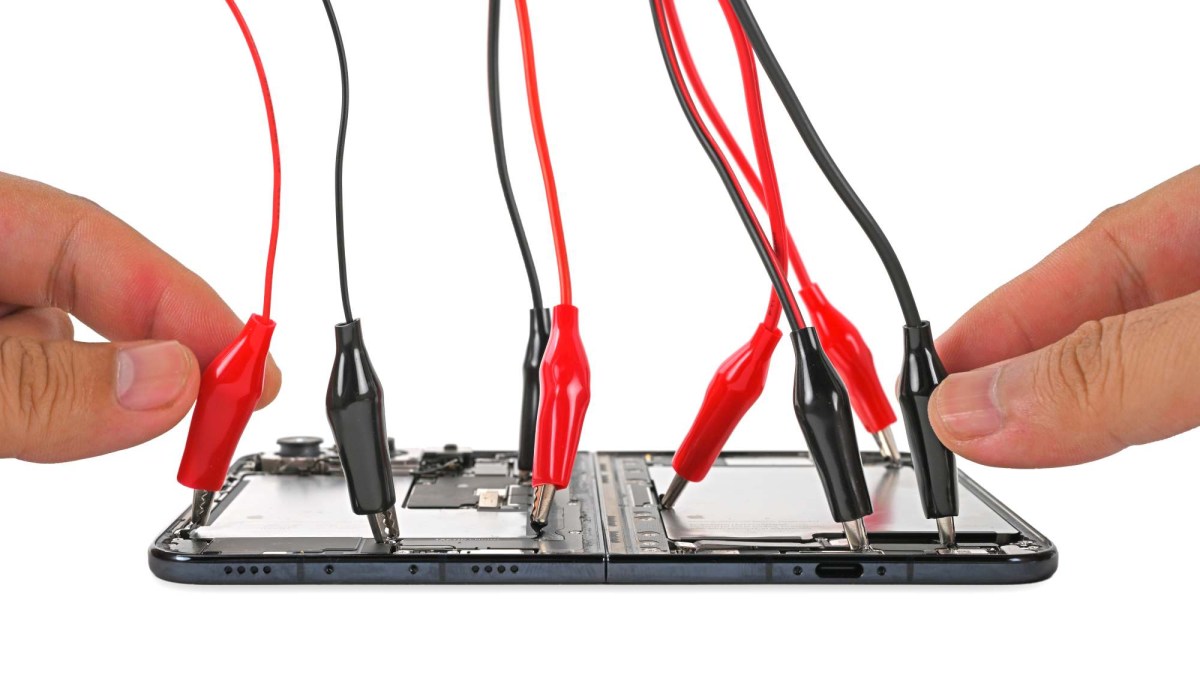
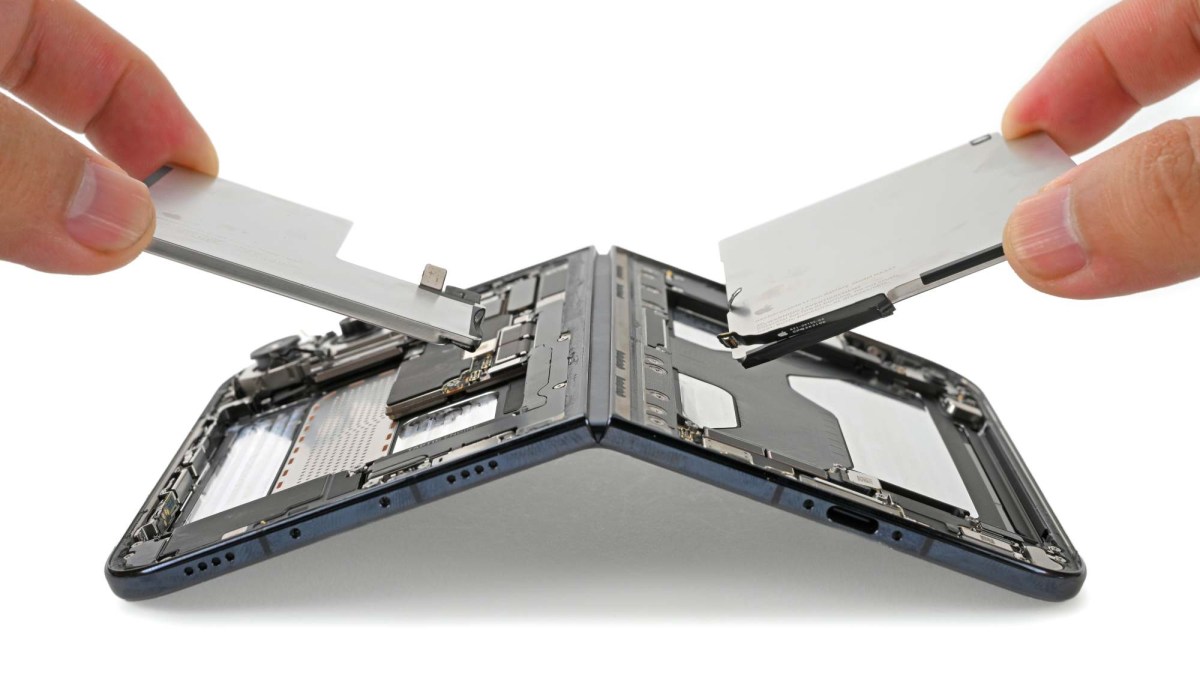
Battery design also deserves attention. iPhone Duo uses a dual-battery structure internally, with the two batteries distributed in different areas of the body to adapt to the internal space layout of the foldable device. Unlike traditional designs that partially rely on strong glue to fix the battery, the anode stripping process between the battery and the fixed structure can be triggered by a low-voltage power source during the disassembly process, making it easier for the battery to detach from the fuselage.
The method demonstrated by iFixit is to connect a low-voltage power source, similar to a 9-volt battery, to the metal tabs on the battery unit to help unfasten it through an electrochemical process. This approach reduces the need for maintenance personnel to pry directly on the battery, thereby reducing the risk of puncturing the battery, causing a short circuit, or causing thermal runaway. However, this does not mean that ordinary users can safely disassemble the battery by themselves. Actual repairs still need to follow appropriate operating procedures.
The inner screen is also a major focus of this teardown. Apple uses a matte covering layer with a nano-texture, combined with a specially arranged OLED sub-pixel structure, to weaken the reflection in the folded area, making the crease in the center of the screen less obvious during normal use.
Observed under a microscope, there are a large number of tiny protrusions on the surface of this covering material, which can scatter incident light in different directions, thereby reducing specular reflection at specific angles. At the same time, the RGB sub-pixels of the inner screen are arranged at different angles, further helping to cover up the visual traces of the folding area.
This design reflects Apple’s attempt to solve the long-standing crease problem of folding screens. However, reducing the visibility of creases does not mean completely eliminating mechanical stress in the fold area. Screens need to be bent repeatedly, and the fit between the hinges and flexible display components remains a key factor in determining durability.
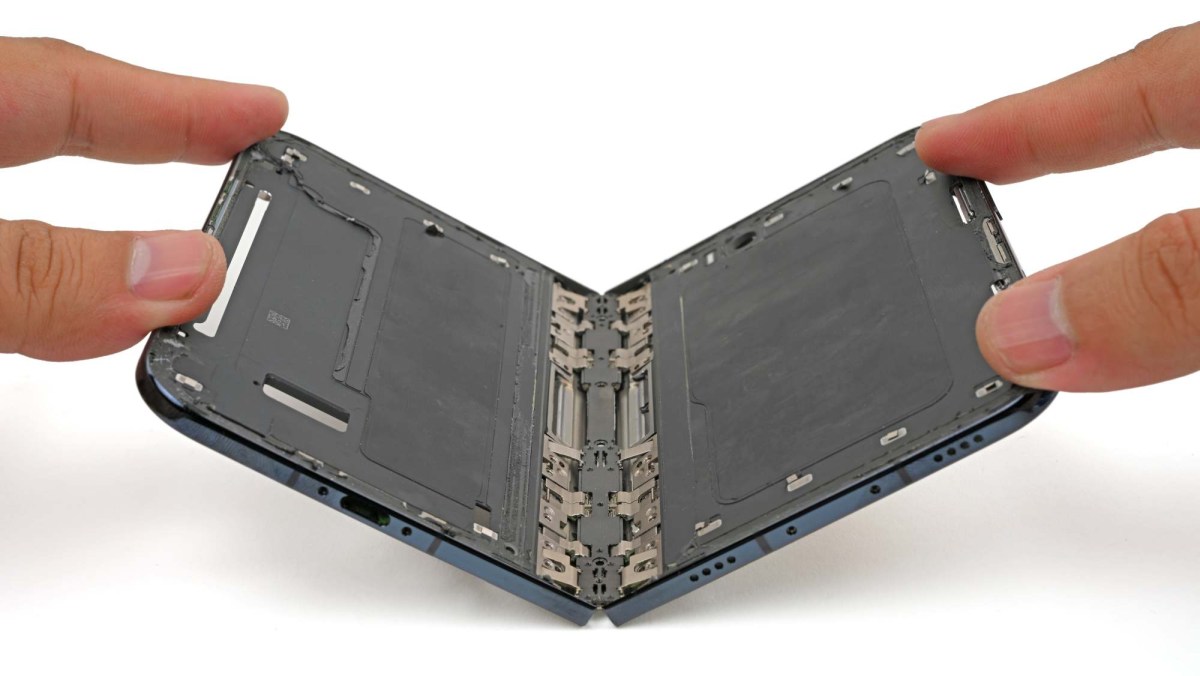
The most worrying part of this disassembly is the iPhone Duo’s hinge mechanism. Recently, some early users have reported that the phone will experience abnormal resistance during the unfolding process, requiring greater force to continue to open, and then a sound similar to bursting or cracking may be heard, and irrecoverable vertical and horizontal lines appear on the inner screen.
User reports indicate that some devices develop problems within hours of purchase, while others fail after a few days of use. The affected users stated that they did not perform any abnormal operations on their mobile phones. Apple has reportedly provided device replacement options to some users, but due to limited supply during the initial launch period, some users are temporarily unable to obtain replacement devices immediately.
There is currently insufficient evidence to prove that all failures are caused by the same cause, and it is impossible to confirm the proportion of equipment involved in the problem. However, multiple reports show a similar failure mode: abnormal resistance first occurs in the hinge, and then abnormal noise occurs, eventually leading to damage to the inner screen. This makes the hinge a focus of investigation.
One possible explanation is that some moving parts inside the hinge are not moving as expected and may get stuck during deployment. Another noteworthy design feature is the pleated flexible cable that runs through the hinge. This type of cable must be bent repeatedly in a limited space. If it is squeezed, pulled or subjected to abnormal mechanical stress, it may also affect the reliability of the device.
However, the disassembly findings can only help analyze potential risks and cannot independently prove the specific cause of the failure. Whether the problem stems from assembly deviations of individual parts, the design of the hinge movable mechanism, or the interaction between the flexible cable and other components remains to be further investigated.
For higher-priced folding screen mobile phones, maintenance convenience and structural durability are two different issues. The components are easy to disassemble, which means that the equipment may be easier to repair after failure; but if the key mechanical components themselves have reliability problems, even if the repair process is designed to be more user-friendly, it will not prevent users from encountering failures during normal use.
The iPhone Duo received a 5-point repairability score this time, indicating that Apple has made certain progress in internal layout and some repair links. However, the complex hinge is still the part of this product that needs to stand the test of time the most. As more devices enter the hands of users, long-term use feedback in the coming months will help determine whether the currently reported problems are anomalies in individual early batches, or whether there are more general hidden dangers in the design itself.
Comments