
Abstract:
U.S. regulators announced that Novo Nordisk and Eli Lilly must add warnings on the labels of their weight-loss drugs to explain the potential risk of permanent vision loss in such popular GLP-1 drugs.
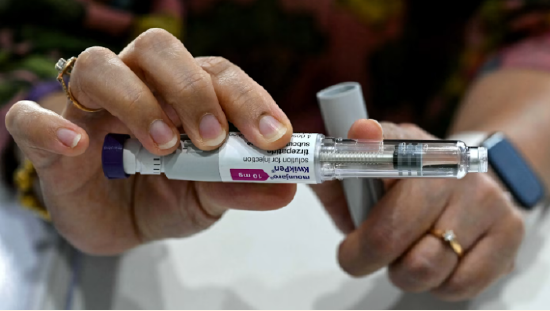
The U.S. Food and Drug Administration (FDA) said on Monday that it is informing patients and health care providers about the risk that use of GLP-1 drugs may increase the chance of developing a rare but serious eye disease. The disease can cause "sudden painless vision loss in one eye, or even permanent blindness."
The FDA requires the US pharmaceutical company Eli Lilly, Denmark's Novo Nordisk and other GLP-1 receptor agonist manufacturers to add relevant content to the "Warnings and Precautions" section of drug labels to indicate an increased risk of non-arteritic anterior ischemic optic neuropathy (NAION).
This decision by the FDA will most likely trigger discussions on this type of drugs from all walks of life: including not only the physical side effects caused by the drugs themselves, but also the broad economic impact that may be brought about by changes in the behavior and consumption habits of drug users.
The FDA states that cases of NAION have been reported with all GLP‑1 products currently on the market. After review and analysis, the FDA concluded that patients taking GLP‑1 receptor agonists are potentially at increased risk for rare NAION events.
Novo Nordisk stated that patient safety is the company's "number one priority" and will continue to monitor drug safety and maintain collaboration with drug regulatory agencies around the world. “We understand the significant impact NAION will have on patients and their families,” the company said Monday, while remaining confident the GLP‑1 drug’s benefits outweigh its risks.
Novo Nordisk also added: "We still believe that the existing data cannot prove a causal relationship, and remain confident in the benefit-risk ratio of its GLP-1 drugs."
Eli Lilly stated that this FDA notice applies to all GLP-1 drugs and is not specifically targeted at its own weight loss products. "We are carefully evaluating this update and will respond to the FDA in a timely manner," Lilly also stressed that patient safety is its top priority.
Monday’s FDA announcement refers to a July 2024 peer-reviewed paper in the Journal of the American Medical Association in Ophthalmology that looked at the risk of NAION in GLP‑1 users. The FDA noted that the study had several limitations but believed further evaluation of this potential risk was warranted.
FDA introduced that after the paper was published, regulators conducted a comprehensive evaluation, covering clinical trial data, animal experimental data, and post-marketing surveillance data (including observational studies and case reports).
Regulators also completed a meta-analysis of clinical trials: the incidence rate of NAION was 6.4 cases per 100,000 person-years in participants taking GLP-1 drugs and only 3.8 cases per 100,000 person-years in the control group.
Comments