
Abstract:
Valve recently announced that it will officially open source Lepton, the Android compatibility layer specially created for Steam Frame. This means that the core technology originally used to allow Steam Frame to run Android games is now open to the developer community, which also brings more possibilities for the future development of the SteamOS ecosystem and Linux game platform.
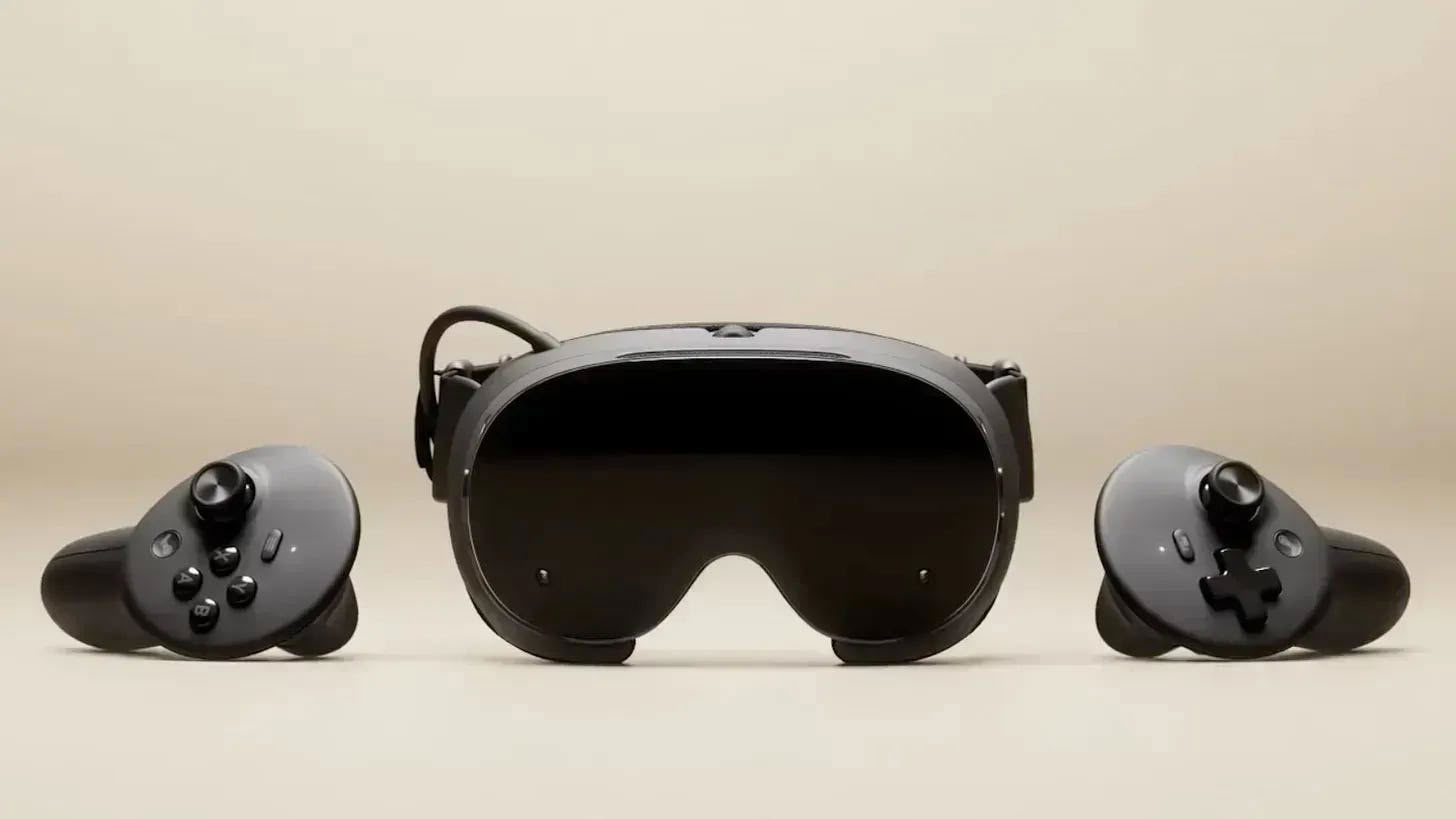
Lepton will be officially announced as early as March 2026. At that time, Valve first introduced this technology when it released the Steam Frame certification program. Its core goal was to run games and applications that originally only supported the Android platform in a Linux environment, providing support for the Steam Frame expanded software ecosystem.
Currently, Lepton has been hosted in Valve's official GitLab code repository. In the project description, Valve details how this compatibility layer works and how it differs from the standard Android system.
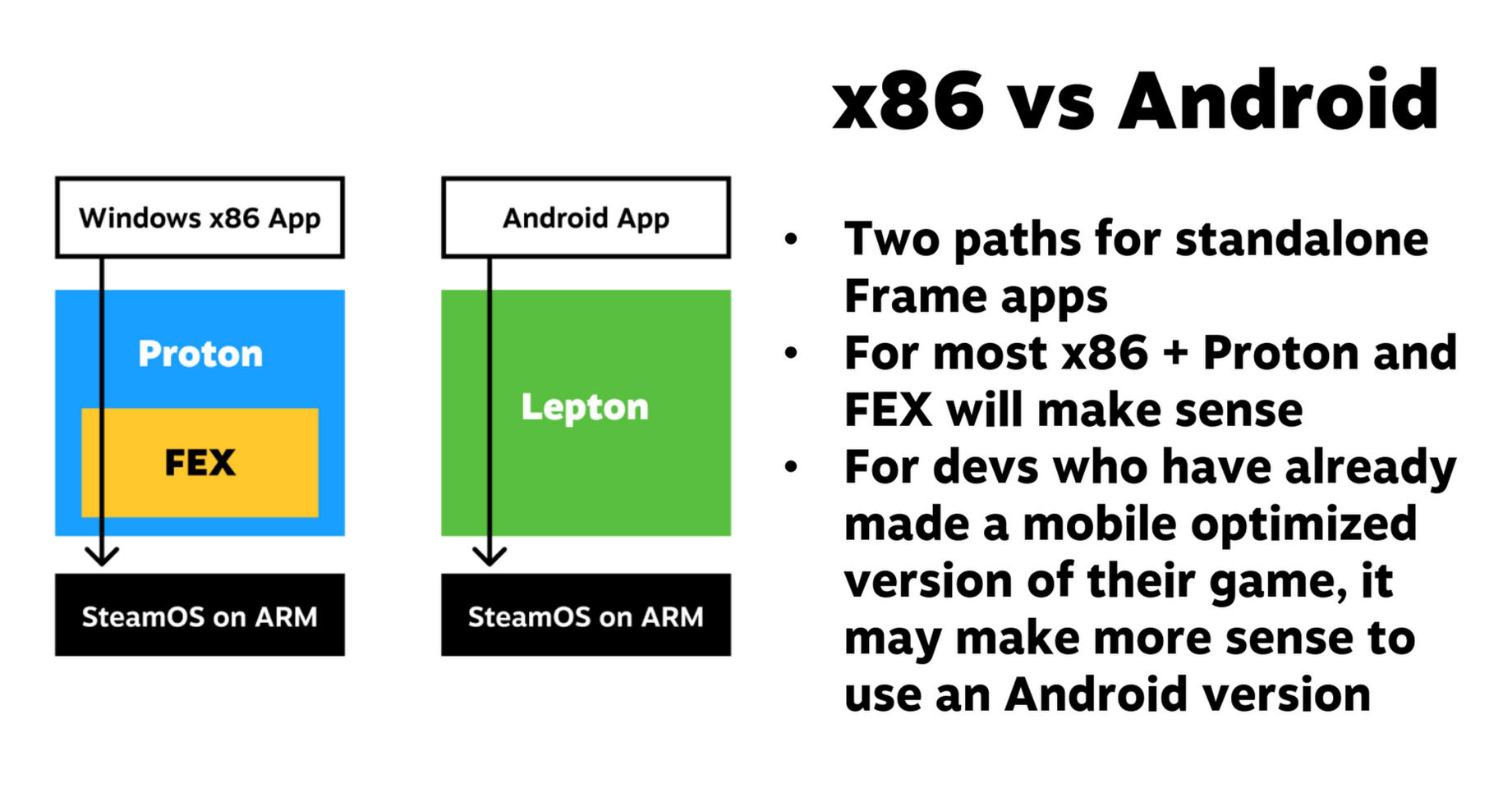
According to Valve’s description, Lepton’s main task is to help developers port VR games developed for Android systems to the Steam Frame platform. However, the company also emphasized that although other uses are also possible, this was not the focus of the initial development, so it may still lack perfect optimization in some scenarios.
From a technical architecture perspective, Lepton was not built completely from scratch, but integrated the results of multiple mature open source projects. Its bottom layer absorbs some components from projects such as Waydroid, Anbox, Halium and Hybris, and combines Valve's own code and related content from the Android open source project AOSP to form an overall framework.
In order to achieve higher efficiency, Lepton will directly call the graphics driver, Steam runtime library and Vulkan graphics layer in the host system instead of completely replicating the standard Android environment. At the same time, Valve also specifically deleted some unnecessary components in the Android system to reduce resource consumption and improve operating efficiency.
For Steam Frame, the existence of Lepton means that a large number of software and games originally developed based on Android have the opportunity to enter the Valve ecosystem. In particular, VR devices such as Meta Quest heavily use the Android system as the software foundation, so Lepton naturally has the potential to connect the two major ecosystems.
With the project open source, the development community is also expected to further expand its application scope. Industry insiders believe that in the future, developers will not only be able to directly use Lepton code for secondary development, but may also learn from Valve's technical implementation solutions to create compatible systems suitable for other scenarios.
This development path is very similar to many previous success stories in the Linux gaming community. Whether it is Proton-GE or CachyOS-Proton, many well-known projects are based on existing open source results and form independent ecosystems through continuous improvement and function expansion. Lepton is also likely to be modified, streamlined, enhanced or even derived into new branch projects in the future.
At the same time, Lepton’s open source further reflects Valve’s strategic direction of continuously strengthening the open ecosystem in recent years. From Proton promoting Windows games to Linux, to Steam Deck promoting the popularization of Linux game platforms, and now opening up Android compatibility layer technology, Valve is constantly expanding the boundaries of software that SteamOS can run.
For developers, this means that in the future there won’t be a strict distinction between Android, Linux and VR platforms. A set of applications originally developed for Android can theoretically enter Steam Frame and even the wider SteamOS device ecosystem through Lepton, thus reaching more user groups.
With the official opening of the code, Lepton is no longer just a compatible technology within Valve, but is becoming a new infrastructure at the intersection of Linux, Android and VR ecosystems. For Steam Frame and future new devices based on SteamOS, this technology may become an important part of building a cross-platform game ecosystem.
Learn more:
https://gitlab.steamos.cloud/frame-public/lepton
Comments