
Abstract:
Imagine a group of cockroaches crawling towards trapped people in the rubble after an earthquake or building collapse - this seemingly uncomfortable scene may become a rescue tool in the future. These are not ordinary cockroaches, but "cyberinsects" equipped with cameras and tiny medical injection devices. They are expected to provide emergency medical assistance to trapped people in narrow and dangerous areas that are inaccessible to rescuers.
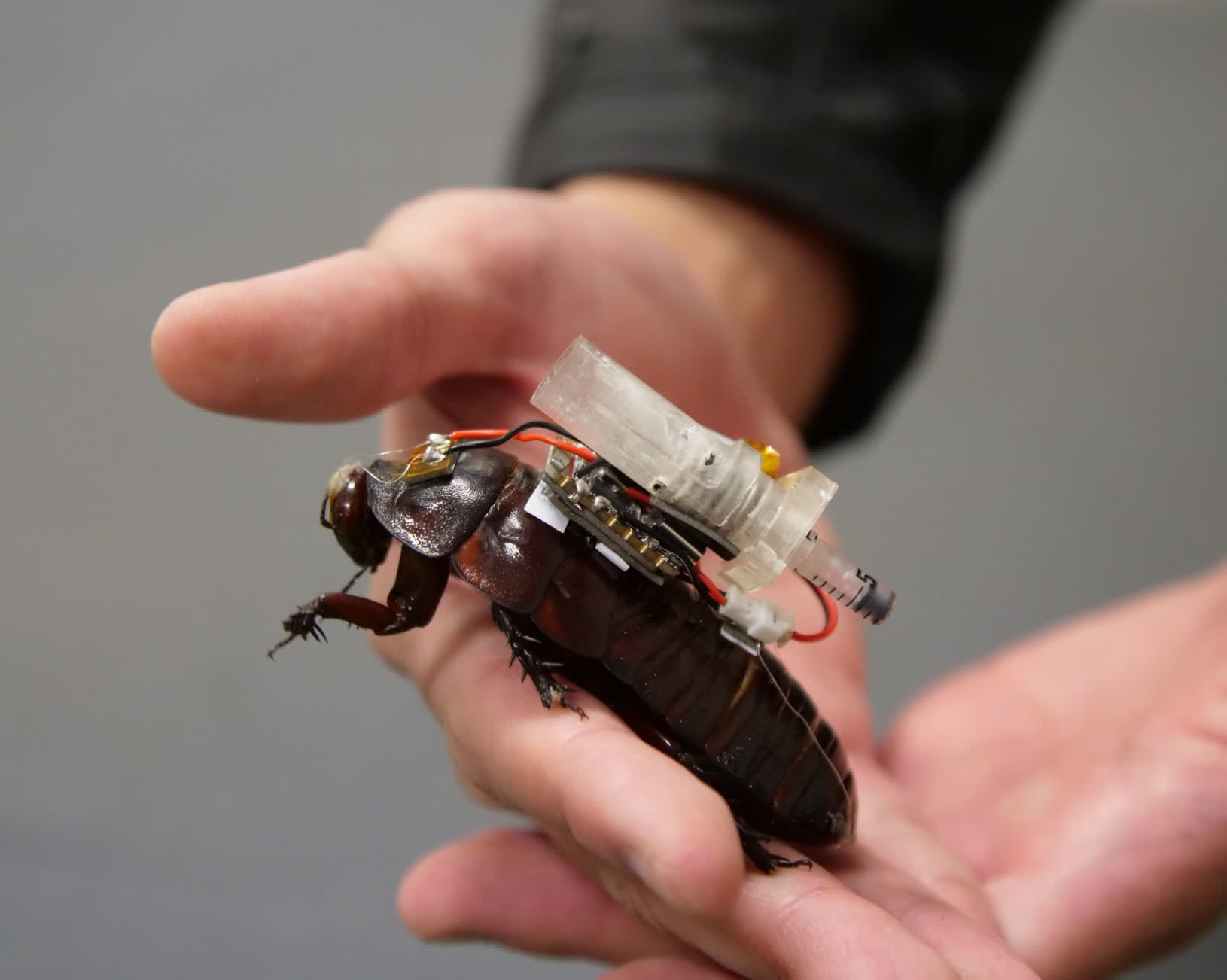
The project was developed by biomimetic robotics researchers from the University of Queensland, Australia, in collaboration with biomedical engineers from the University of New South Wales. The research team calls this modified insect "paraborgs", and its core goal is to not only complete positioning and reconnaissance, but also carry out preliminary rescue after searching for trapped people.
Researchers pointed out that cockroaches have natural biomechanical characteristics suitable for traveling in complex terrain. By enhancing its movement and control capabilities with electronic devices, cybercockroaches may be able to enter narrow, gravel-filled spaces and provide timely medical assistance to trapped people when human rescuers or large robots are difficult to reach.
This solution uses large burrowing cockroaches from North Queensland, Australia. The research team customized an automatic injection system that can be remotely triggered for this species, and installed electrodes, microchips and fixtures on the cockroaches. The insects are anesthetized while the devices are installed; researchers say that once the devices are removed, their lifespans are roughly the same as those of ordinary cockroaches.
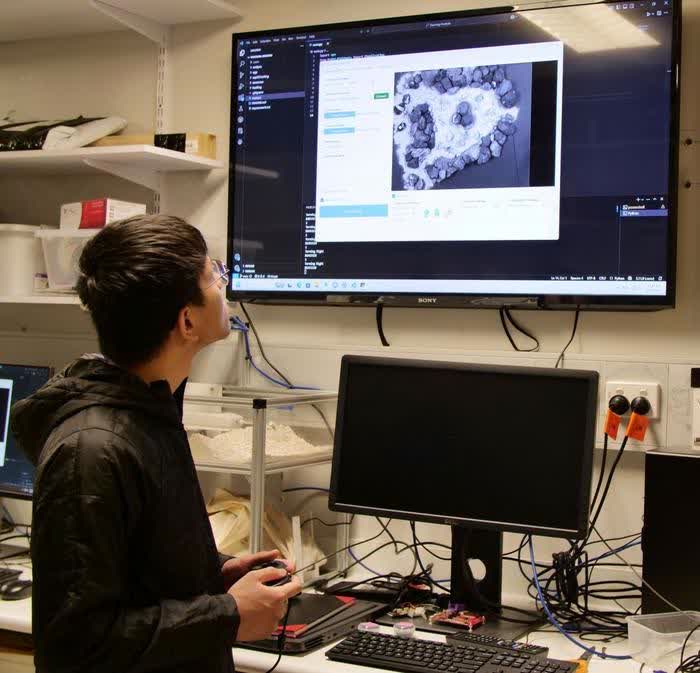
In the proof-of-concept test, when the distance between the cyber cockroach and the target was within 15 centimeters, the successful injection rate of the micro-injection device reached 95%; if the entire process of navigation, precise positioning, stable dwell, and injection is calculated together, the overall success rate was 72%.
Researchers believe that the real difficulty is not just to equip cockroaches with equipment, but to get them to accurately reach the target location and remain stable enough. Ph.D. student Hai Nhan Le said that cyber insects must navigate to the target on their own, complete precise posture adjustments, and maintain stability during injection, which places high demands on system control.
As for the safety and ethical concerns that may arise from injections performed by insects, Thang Vo-Doan, a bionic robotics engineer at the University of Queensland, emphasized that key medical decisions will still be controlled by humans. The camera mounted on the cockroach can also help rescuers obtain on-site footage before entering a collapsed building or cave, and assist in formulating a safer action plan.
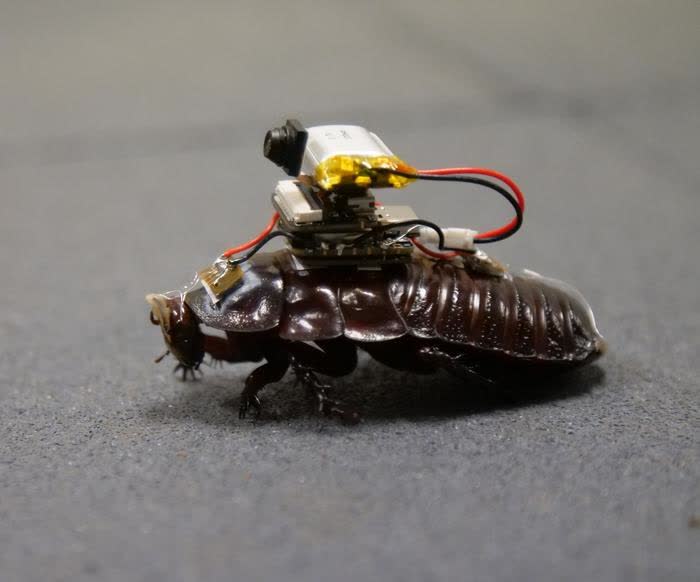
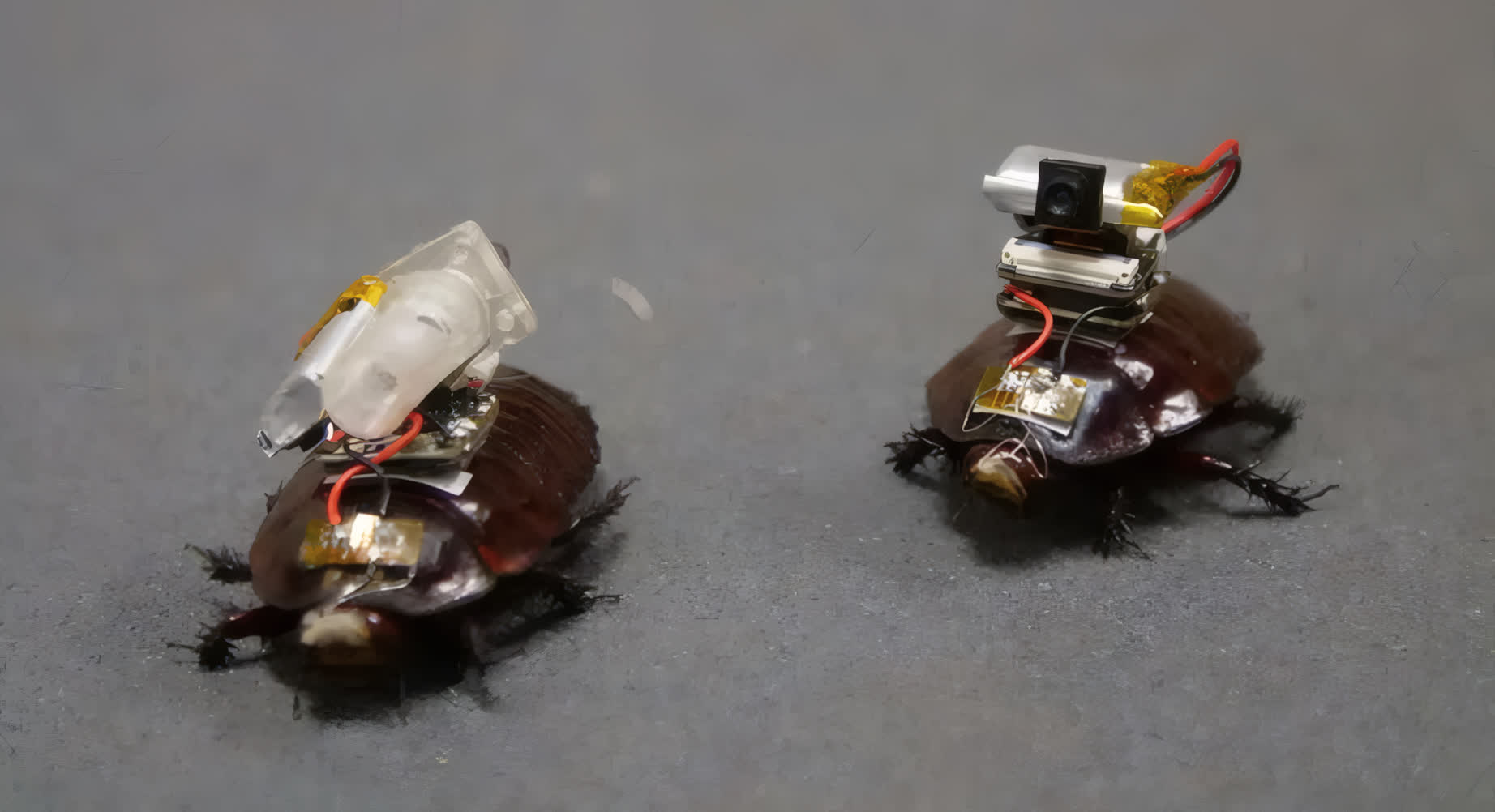
In fact, research on using cockroaches to carry out special tasks has continued for many years. Previously, scientific researchers have tried to transform cockroaches into search and rescue units that can be mass-produced, pipeline inspection platforms that tow camera equipment, underwater detectors equipped with miniature life support systems, and even used in military reconnaissance.
The team's long-term vision is to deploy coordinated swarms of different types of cyberinsects, with each insect taking on complementary tasks such as search, reconnaissance, communication or medical delivery. Vo-Doan predicts that this technology is expected to move from the laboratory to actual disaster relief sites in the next 5 to 10 years.
Comments