
Abstract:
Coordination between the United States and the United Kingdom in the field of artificial intelligence safety supervision is facing new tests. Multiple people familiar with the matter revealed that the White House has recently asked OpenAI and Anthropic not to provide the latest generation of artificial intelligence models to the British government-designated testing agency for advance review before completing relevant evaluation procedures in the United States.
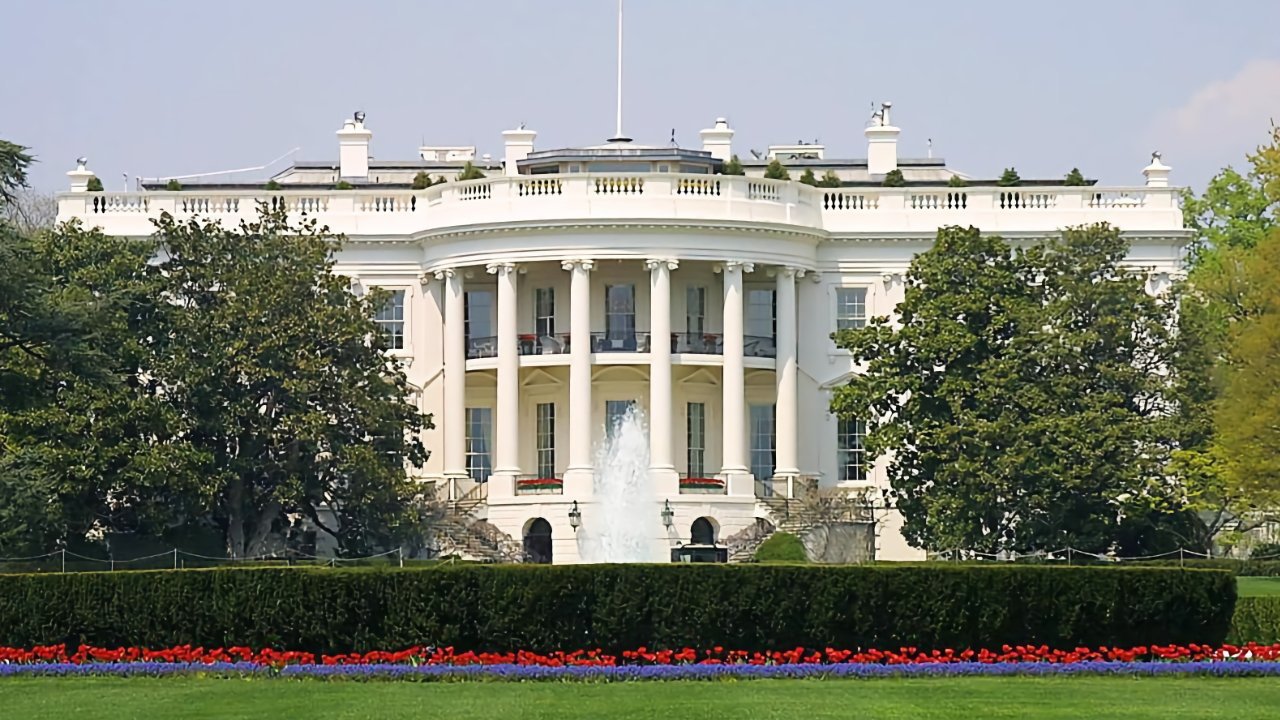
This move means that the U.S. government hopes to establish a country-led safety assessment mechanism for cutting-edge artificial intelligence models and take the lead in completing its own review process before the models are opened to overseas regulatory agencies. This move is also seen by the outside world as the latest manifestation of the United States strengthening its dominance in the global competition for artificial intelligence governance.
It is understood that the British government has been actively promoting the construction of an artificial intelligence safety assessment system in recent years and has set up specialized agencies to test advanced models and conduct risk analysis. Since 2023, the UK has cooperated with international artificial intelligence companies many times to carry out safety verification, capability assessment and potential risk research before the model is officially released, hoping to establish a world-leading AI safety regulatory framework.
However, according to information disclosed by people familiar with the matter, the U.S. government has recently expressed a new position to OpenAI and Anthropic, hoping that the two companies will not open new models to British testing institutions until the United States completes their review.
The discussion involved future generations of cutting-edge artificial intelligence systems, including large models with enhanced reasoning, automated decision-making, and complex task execution capabilities. The U.S. government is concerned that in the context of rapidly improving model capabilities, security assessment and information sharing mechanisms need to be more strictly coordinated to avoid premature disclosure of sensitive capabilities when the regulatory system is not yet complete.
Relevant companies did not publicly respond in detail to this request. However, sources said that both companies are currently maintaining communication with the United States and Britain and trying to find a balance between commercial deployment, security research and international cooperation.
The White House emphasized that the United States supports artificial intelligence safety research and international cooperation, but at the same time believes that it is equally important to establish a credible, unified and controllable evaluation mechanism for the most advanced models. From the perspective of the U.S. government, as the capabilities of cutting-edge models are rapidly increasing, potential risks in the fields of national security, network security, and critical infrastructure are receiving more and more attention.
The UK has long advocated the establishment of a broader international cooperation system. In the past few years, the British government has been trying to establish itself as a global center for artificial intelligence safety research and increase its influence by organizing international summits, establishing test platforms and promoting cross-border regulatory cooperation.
Analysts pointed out that this dispute reflects the emergence of new geo-competitive features in the field of artificial intelligence. Although the United States and the United Kingdom have a long-term cooperative relationship in the fields of security and technology, when it comes to artificial intelligence governance issues, each country hopes to have more evaluation capabilities and rule-making powers.
Some observers believe that the US move not only involves security considerations, but also is related to technological advantages and regulatory dominance. As artificial intelligence becomes an important part of future economic growth and national competitiveness, whoever has the earliest access to and evaluation of the most advanced models will have a better chance of occupying a favorable position in the future standard-setting process.
At the same time, artificial intelligence companies are also facing new balancing challenges. On the one hand, they need to meet the requirements of various governments for safety assessment and transparency; on the other hand, they must avoid regulatory disagreements that hinder the progress of product launches.
Currently, the U.S. government, British regulators and relevant companies are still negotiating on the future assessment process. Although both parties have publicly emphasized the importance of international cooperation, the turmoil shows that in the era of cutting-edge artificial intelligence, competition over model testing authority, regulatory power, and international coordination mechanisms is becoming increasingly obvious.
As the next generation of large-scale models gradually enters the release cycle, how to establish a new balance mechanism between security review, technological innovation and international cooperation has become an important issue facing global artificial intelligence governance.
Comments