
Abstract:
The resignation of Nvidia founder Jensen Huang is undoubtedly the biggest earthquake in the technology industry in recent times. Behind this seemingly sudden personnel shock, there is a carefully planned "hunting operation." Who pulled the trigger behind the scenes? As more details emerge, two forces gradually emerge in the spotlight: U.S. Secretary of State Rubio, who revised the confidential memorandum, and Anthropic, an AI competitor that frequently "hands out knives" to the media.
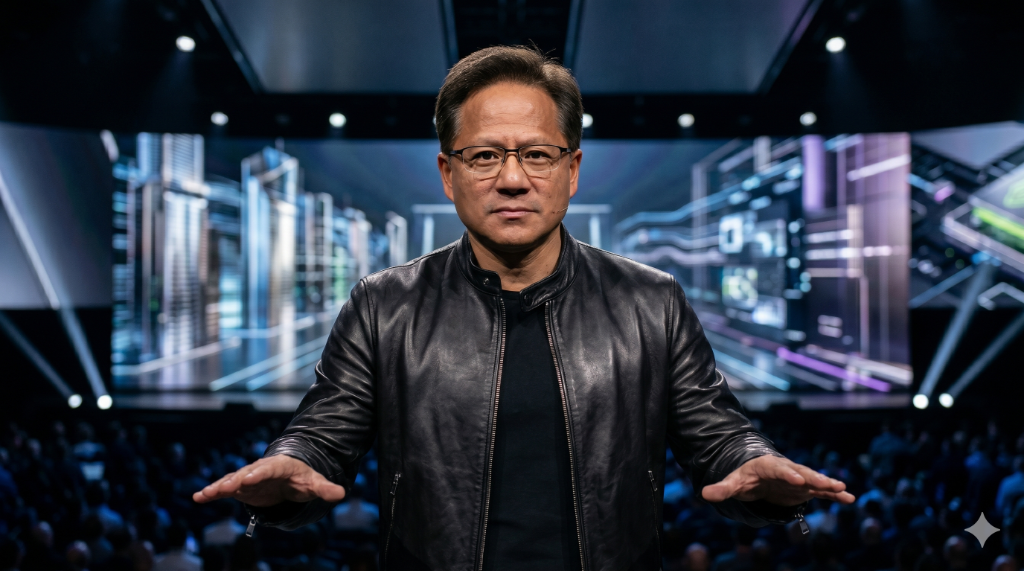
From a policy perspective, the core of the controversy lies in the dispute over the path to control AI chips.
The chip export control faction in the United States has sought to cut off Nvidia from overseas markets for years, and Huang has been the most high-profile corporate voice against building tracking and remote shutdown capabilities into chips.Nvidia's chief security officer has publicly stated that Nvidia GPUs "should not have any remote shutdown or backdoor capabilities", calling it a "gift to hackers and hostile actors."
Currently,
three bipartisan chip bills have been included in the U.S. Senate’s annual defense authorization bill
, covering issues such as Congress’s power to review chip export licenses, anti-smuggling measures, and pressure on allies to stop selling chip manufacturing equipment.House Democratic Leader Hakeem Jeffries said he would work to push these provisions into the final version.
No matter who is behind the scenes, NVIDIA will release its quarterly report on November 17 without Huang Jen-Hsun, and the above-mentioned chip legislation is also rapidly advancing towards the final defense bill.
Rubio’s “word games” and secret leaks
The starting point of this storm was a highly confidential memo that was leaked to the New York Times. However, the true nature of this memo is full of mystery.
According to the "Washington Post" disclosure, this confidential memo that directly led to Huang Renxun's resignation was written by Rubio.
However, officials from the US Central Intelligence Agency (CIA) were originally "not convinced" by the relevant intelligence.
CIA analysts have not drawn conclusive conclusions, and some officials from the Office of the Director of National Intelligence even believe that the relevant accusations have been "excessively distorted."
Since the CIA is not convinced, where did that conclusive memo come from? The answer is: Rubio "reprocessed" the CIA report.
According to reports citing people familiar with the matter, after receiving the CIA report, Rubio rewrote the memo with "his own more offensive wording."
The memorandum he led was subsequently sent to a number of senior officials this spring, and Rubio even reported to the president himself.
David Sacks, a technology tycoon and former head of AI affairs, pointed out the core of the problem in a podcast:
Someone or a group of people leaked the contents of a highly confidential memo to the New York Times. It must be understood that this is a criminal act.
David Sacks bluntly stated that the New York Times did not accidentally hear the news in a bar:
Someone made a calculated decision and they were willing to risk jail time to do it... Why do they want to take down Jen-Hsun Huang so strongly?
Anthropic’s “media revelations” and interests landscape
If Rubio completed the "processing" of the memorandum in the political world, then in the media and industry, another force accurately guided the direction of public opinion.
New York Times investigative reporter Tripp Mickle admitted in a podcast that in August last year, they received a mysterious message from an "internal contact in the technology industry." The whistleblower told them:
Put everything down and check out a company called Megaspeed.
Megaspeed is an NVIDIA computing power leasing company headquartered in Singapore. Who is this mysterious whistleblower? The reporter did not disclose his name, but all doubts were directed at Nvidia’s competitor, Anthropic.
A widely circulated post directly targeted Anthropic CEO Dario Amodei:
Dario may be the mastermind behind the Jen-Hsun Huang incident.
There is also a viral open source intelligence analysis that directly named one of Anthropic’s co-founders as the whistleblower of the New York Times.
Why did Anthropic "play dirty tricks" on Huang Renxun? The answer may lie in the game between technical routes and chip control.
Huang Renxun is the most staunch defender of the "open source AI model" among technology giants; while Anthropic is an active promoter of strict AI supervision and chip export controls
.It is reported that Anthropic has donated up to $40 million to an organization called Public First Action, whose core demands are to promote AI security and chip export controls.
In the eyes of Silicon Valley bosses, this is a war about control. David Sacks analyzed on the show that the "securityists" who are deeply aligned with Anthropic are having a carnival. What they want is extreme concentration of power:
They want all AI models and chips to be controlled by the government, with GPS and backdoors installed in the chips so they can be shut down at any time.
Huang Renxun and NVIDIA are precisely the staunchest opponents of this kind of "backdoor chip". Nvidia's chief security officer made it clear last year that GPUs "do not and should not have kill switches and backdoors," which would only serve as a gift to hackers.
The loss of Huang Renxun is a huge "loss" to the technology industry
Whether it was the memo revised by Rubio or the dirty information handed to the media by Anthropic that pulled the trigger, Huang Renxun's departure has caused irreparable shock.
Nvidia’s stock price fell on the day the resignation was announced. Musk and many investment tycoons have pointed out that many of Nvidia's key supply chain transactions and huge start-up investments in the past were achieved with "Huang Renxun's handshake."
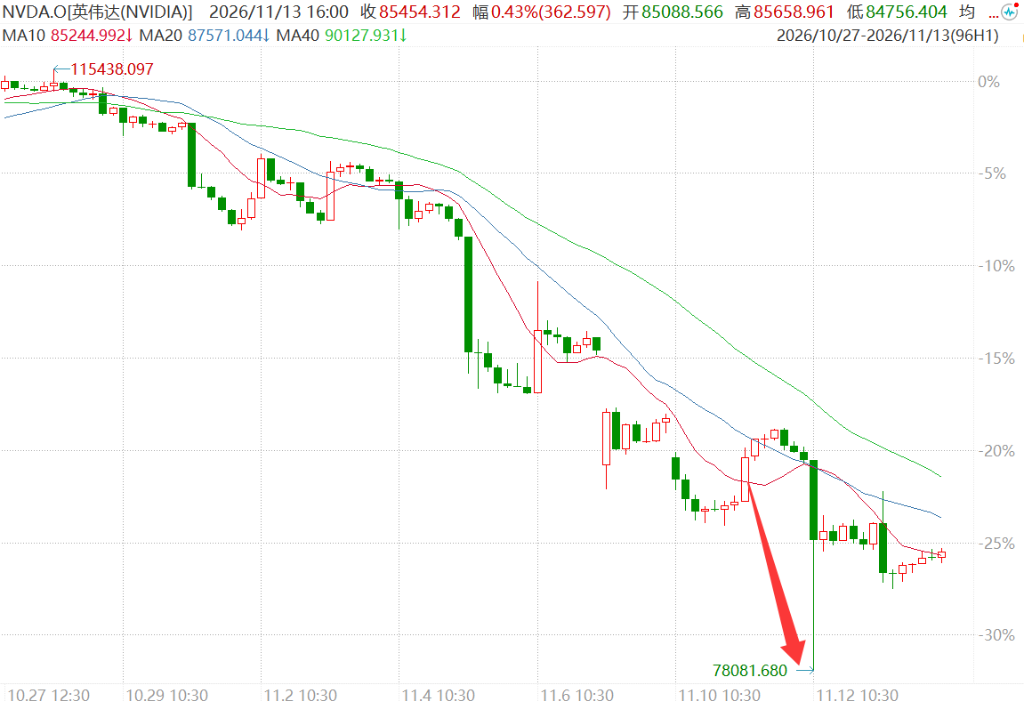
Goldman Sachs analysts also warned that Nvidia will face huge difficulties in negotiating large multi-party investments in the future.
Wall Street News mentioned that many technology leaders, including
Musk and Y Combinator President Garry Tan, are signing a petition calling for Huang to be reinstated.
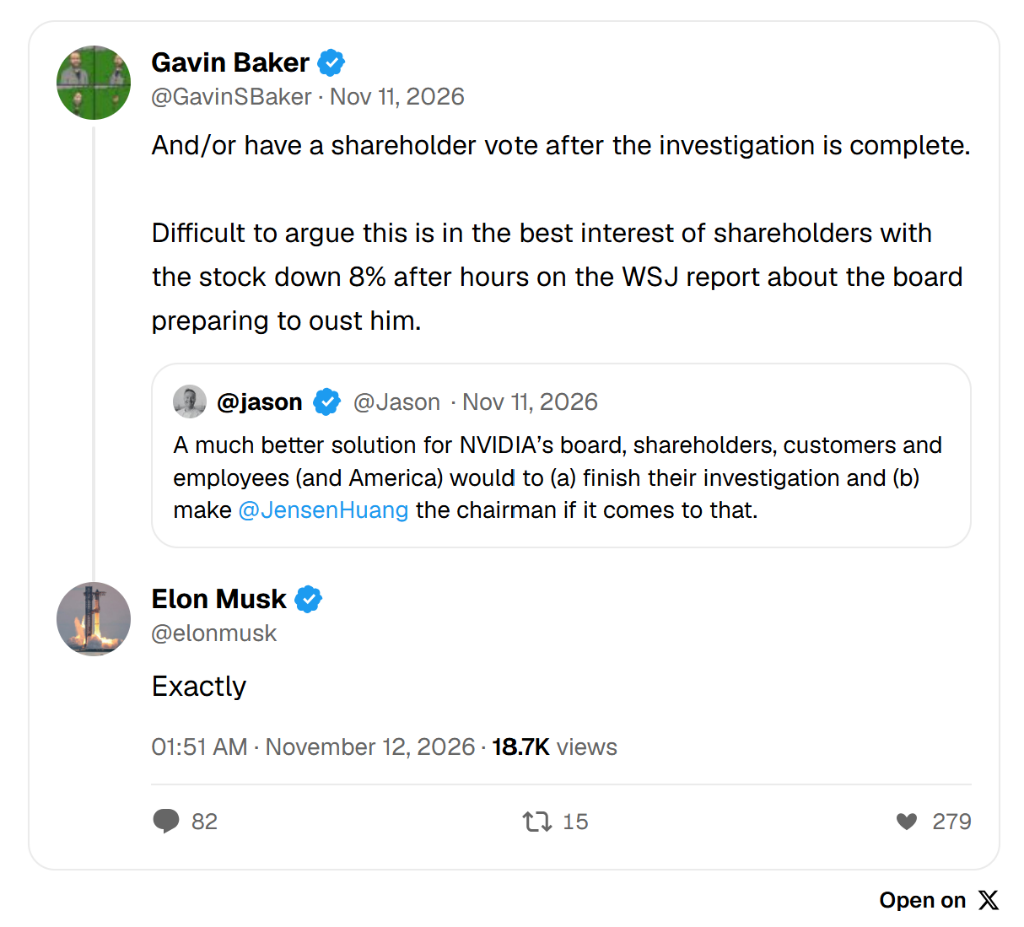
Gavin Baker, managing partner and chief investment officer of Atreides Management, proposed the plan of “voting by shareholders after the investigation is completed,” and Musk responded: “That’s exactly what it should be.”
Epic Games founder and CEO Tim Sweeney shouts out:
Save Jen-Hsun Huang, if Nvidia's board of directors does this, it will be as stupid as Apple's firing Steve Jobs.
This "hunt" intertwined by a tampered CIA report and an accurate media revelation not only changed the fate of Nvidia, but may also completely reshape the future pattern of global AI computing power and chip export control. In this game of thrones, Huang Jen-Hsun may just be the first victim.
Comments