The race to define the future of wearable technology is heating up, with smart glasses becoming the next big frontier. While Meta's collaboration with Ray-Ban has already caused a stir, tech giants like Apple, Samsung and Google are also rapidly developing their own projects. The latest development comes from Google, which recently conducted a live demonstration at the TED2025 conference to show the public smart glasses equipped with Android XR technology, which is the most intuitive demonstration to date.
Previously, Google's Android XR Glasses had only appeared in curated teaser videos and limited hands-on previews shared with select publications. These early leaks hint at the potential for integrating artificial intelligence into everyday glasses, but questions remain about its actual performance. But that changed when Google Android XR leads Shahram Izadi and Nishtha Bhatia took to the TED stage to demonstrate the prototype glasses in action.
The live demonstration showed a series of functions that are different from previous smart glasses. At first glance, the device looks like regular glasses. However, it is equipped with advanced technology, including tiny cameras, microphones, speakers, and a high-resolution color display embedded directly into the lens.
The glasses are designed to be lightweight, low-profile and compatible with prescription lenses. It can also connect to a smartphone to use its powerful processing power to access more applications.

Izadi first used the glasses to present his lecture notes on stage, demonstrating a practical, everyday use case. The real highlight, however, is the integration of the Google Gemini AI assistant. In a series of live interactions, Bhatia demonstrated how Gemini can generate haiku on demand, recall the title of a book it just glimpsed, and find a misplaced hotel key card—all with simple voice commands and real-time visual processing.
But there's more to these glasses than just these gimmicks. The demo also showed off an instant translation feature: a gesture translated from English to Farsi, and when Bhatia spoke to Gemini in Hindi, it seamlessly switched back to Hindi — without any manual setup.
Other features demonstrated include visual interpretation of charts, contextual object recognition (such as identifying music albums and playing songs), and heads-up navigation that projects a 3D map overlay directly into the wearer's field of view.
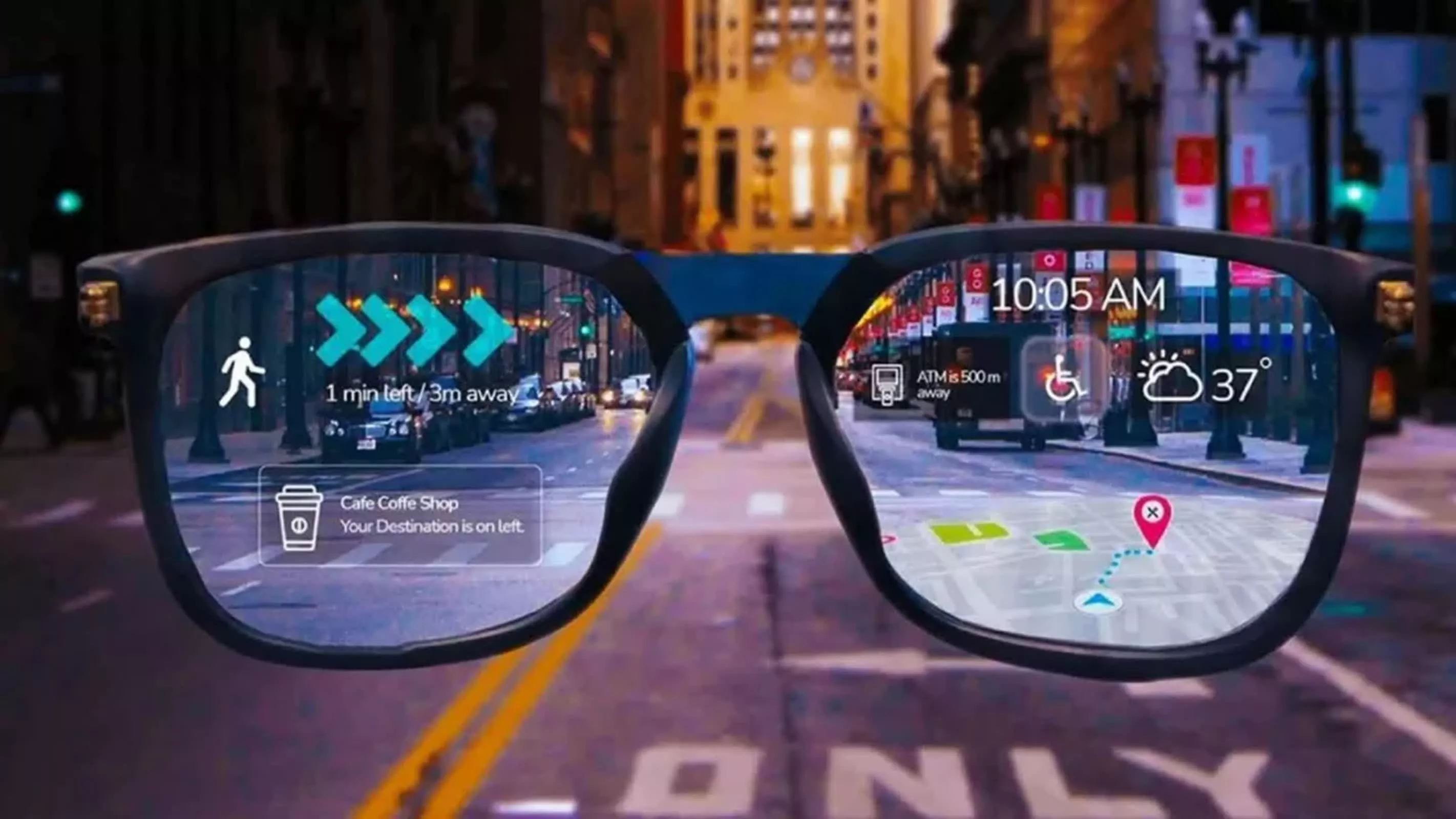
The Android XR platform was released in December last year and was developed by Google in cooperation with Samsung and Qualcomm to create an open and unified operating system for extended reality devices. It brings familiar Google apps into immersive environments: YouTube and Google TV on a virtual big screen, Google Photos in 3D, immersive Google Maps, and the Chrome browser with multiple floating windows. Users can interact with apps through gestures, voice commands, and visual cues. The platform is also compatible with existing Android apps, ensuring a strong ecosystem from the start.
Meanwhile, Samsung is gearing up to launch smart glasses, codenamed Haean, later this year. The Haean glasses are reportedly designed with a focus on comfort and sophistication, similar to regular sunglasses, and feature gesture-based controls via cameras and sensors.
While final specifications are still being finalized, the glasses are expected to feature integrated cameras, lightweight frames, and possibly a Qualcomm Snapdragon XR2 Plus Gen 2 chip. Other features being considered include video recording, music playback and voice calling.