Fiber optic networks continue to power the vast majority of the world's internet traffic, but they can also be used to develop extremely precise light-based sensors, allowing researchers and authorities to study - and potentially prevent - the most devastating consequences of volcanic activity.
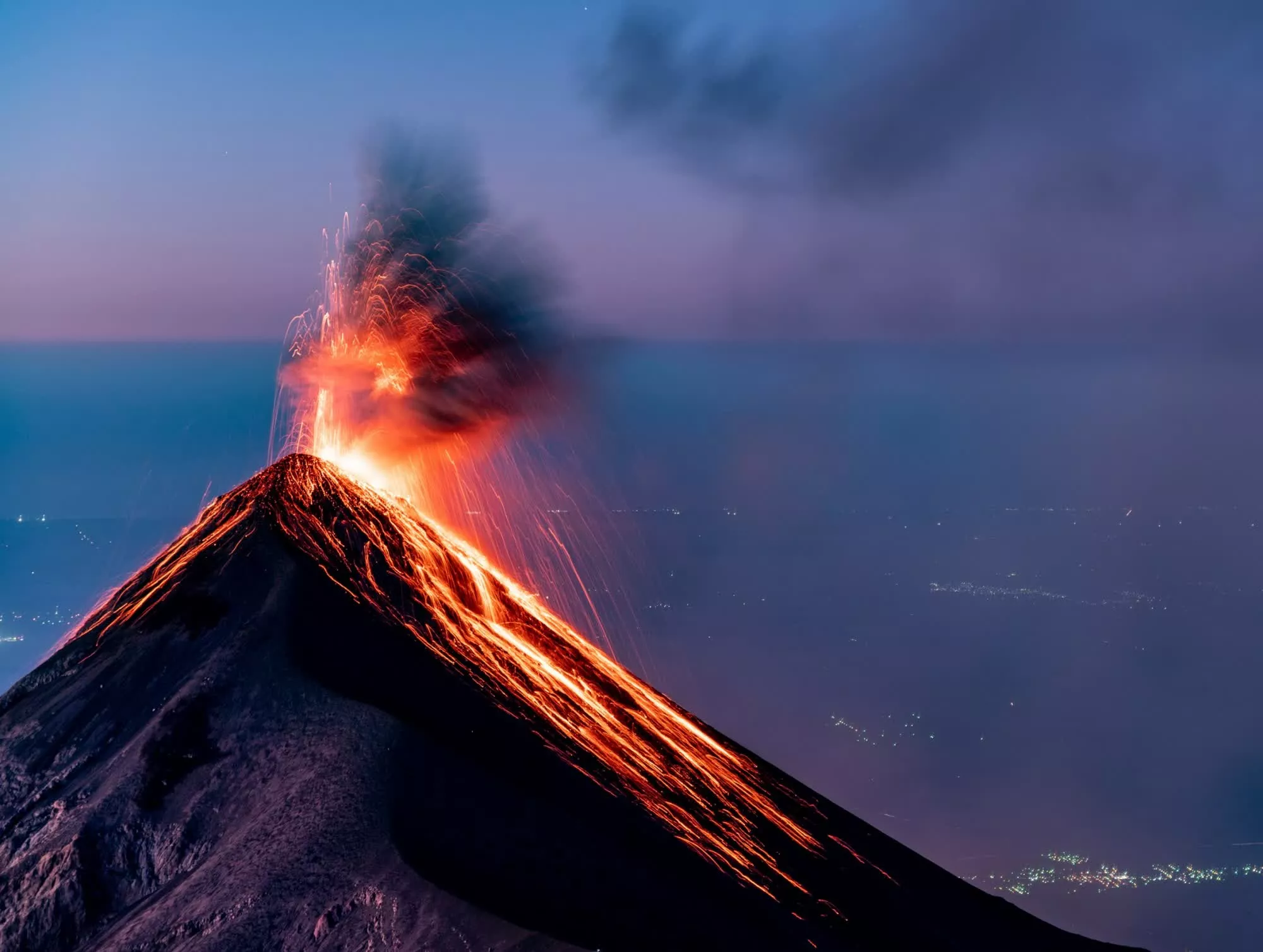
Researchers at Caltech, working with scientists in Iceland, have developed a new way to detect volcanic eruptions using optical fibers as sensors. The international team created a distributed acoustic sensing (DAS) system and tested its effectiveness on Iceland's volcanically active Reykjanes Peninsula.
The area is known for its frequent volcanic activity, characterized by vast lava fields and underground magma flows. The area has experienced several volcanic eruptions in recent years, some of which have posed a serious threat to nearby towns. Thanks to new DAS technology, residents in this rugged part of Iceland could receive up to 30 minutes of warning before lava erupts.
On November 10, 2023, after the Reykjanes Peninsula encountered a large-scale magma intrusion event, researchers laid a 100-kilometer-long optical fiber cable within 10 days. DAS systems send laser pulses through unused underground fiber optic lines. When vibrations, such as those caused by the movement of magma, pass through the cable, they cause subtle phase changes in the laser light. Researchers can detect and analyze these changes to identify seismic activity.
The system uses 100 kilometers of fiber optic cables that can effectively replace a linear array of thousands of traditional seismic sensors. The DAS system is extremely precise and can detect millimeter-scale ground deformations as magma expands, flows and pushes against the earth's crust from magma chambers deep underground. According to the researchers, the technology's resolution is much higher than traditional GPS or satellite imaging methods.
The DAS system collected data on underground magma movement over a year, and the research team then used this information to develop an initial warning system for volcanic activity on the Reykjanes Peninsula. The system is designed to warn the public 30 minutes to hours before a volcano erupts.
Li Jiaxuan, the lead author of the study, said DAS has valuable applications in both scientific research and public safety. The system allows scientists to more effectively monitor magma intrusion events, while also providing residents of the Reykjanes Peninsula with critical warning of impending volcanic eruptions.