The Institute of Optics of the University of Rochester in the United States recently announced that its scientific research team has increased the power generation efficiency of the solar thermoelectric generator (STEG) by about 15 times through innovative designs in structure and thermal management, bringing practical hope to this long-term "no improvement" method of solar energy utilization. Relevant research has been published in the journal "Light: Science and Applications", showing that a substantial improvement in output performance can be achieved while only increasing the weight of the device by about 25%.
Unlike household photovoltaic panels that directly convert photons into electrical energy, solar thermoelectric generators use the temperature difference between the "hot and cold ends" to generate electricity. Its core mechanism is the Seebeck effect in semiconductor materials: when one end of the device is heated and the other end is kept low, the temperature difference will drive the carriers to move directionally, thereby generating electric current. However, for a long time, the photoelectric conversion efficiency of existing STEG has generally been less than 1%, which is far lower than the common efficiency of about 20% for household rooftop photovoltaics. This huge gap makes it difficult to compete in practical applications.
The University of Rochester team pointed out that in the past, the scientific research community mainly focused on improving the semiconductor materials in the middle of the device. Although some progress has been made, the overall efficiency improvement is very limited. Guo Chunlei, the leader of the research and professor of optics and physics, said that this work barely touched the semiconductor body, but focused on the "hot end" and "cold end" sides. By strengthening heat absorption and insulation, and strengthening heat dissipation, the temperature difference was doubled, thereby bringing about "amazing" efficiency improvements.
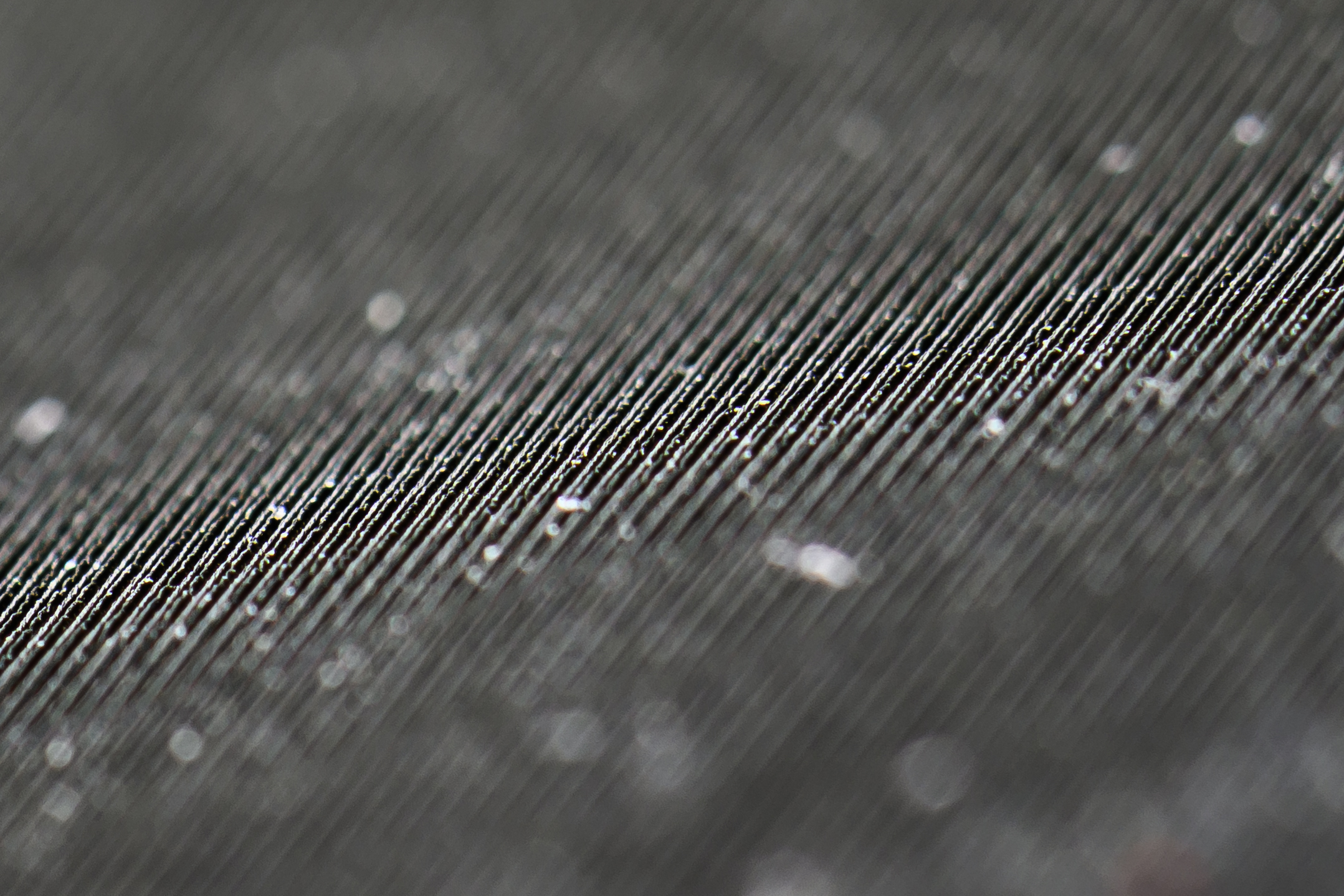
At the "hot end", researchers used femtosecond lasers to process surface micro-nano structures on ordinary tungsten materials to prepare them into a selective solar absorber (W-SSA). This modified black metal surface can absorb more than 80% of incident sunlight at high temperatures while reducing the loss of infrared radiation, thereby keeping the absorbed energy in the system as much as possible. In order to further inhibit heat loss through air convection, the team encapsulated the absorber in a small plastic cavity, making it similar to a "miniature greenhouse". It is said that it can reduce heat loss caused by convection by more than 40%.
At the "cold end", the team also used femtosecond lasers to perform microstructural processing on aluminum and built a microstructured heat sink (μ-dissipator), which significantly improved the device's heat dissipation capability. Thanks to the optimization of the surface structure, this heat dissipation layer has been enhanced in both radiation and convection heat dissipation dimensions. Its comprehensive heat dissipation performance is about twice that of ordinary aluminum heat sinks, allowing the cold end to maintain a lower temperature.
By making the hot end hotter and the cold end cooler, the temperature difference between the two ends of the entire solar thermoelectric generator is significantly increased, and the power generation output is significantly increased. Experimental demonstrations show that the improved STEG is sufficient to drive LEDs to emit light more efficiently. Compared with previous devices, the brightness and stability of the light source are significantly improved, verifying the feasibility of the design idea.
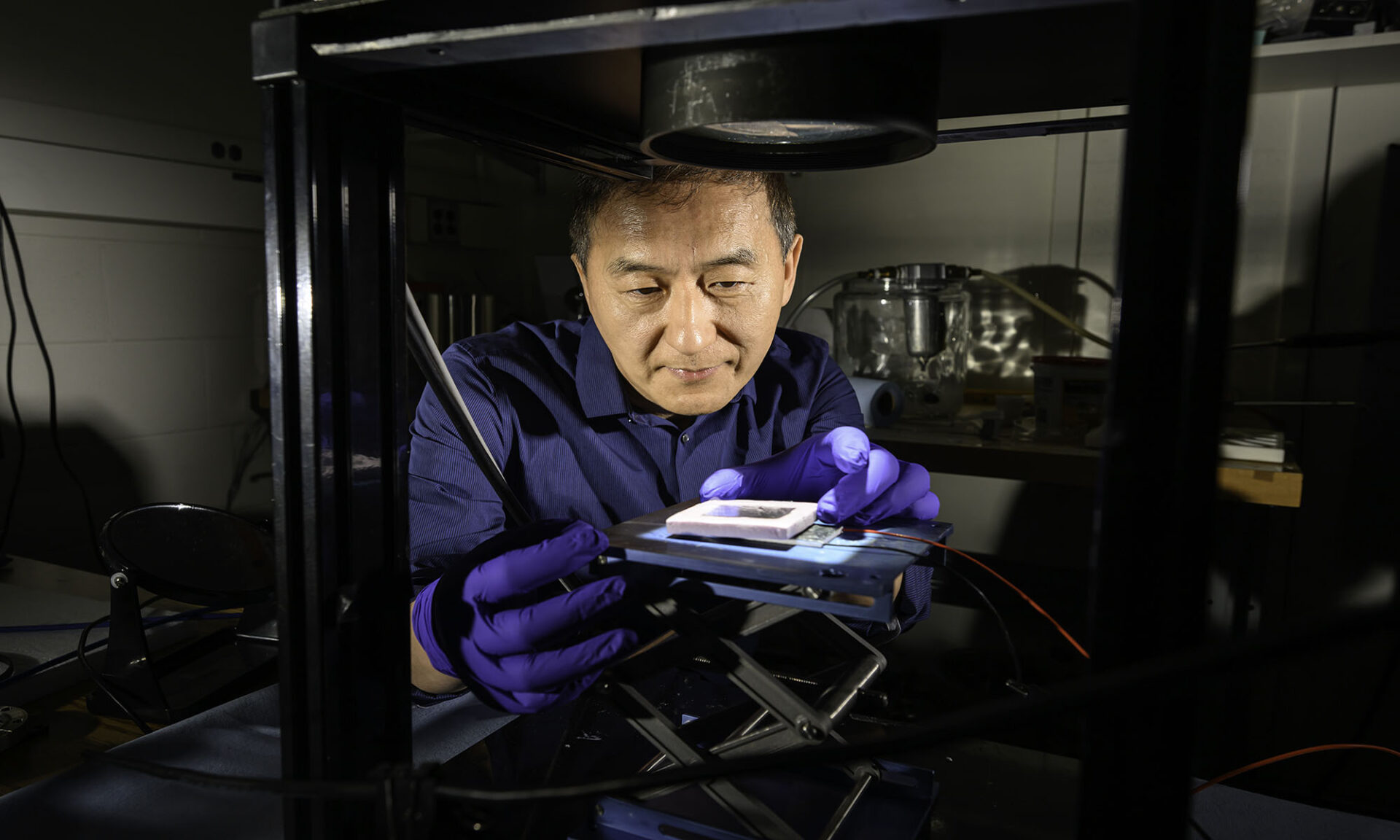
Guo Chunlei said that the potential of this technology in practical applications goes beyond replacing part of photovoltaic power generation. In the future, it is expected to provide long-term, low-maintenance power supply solutions for wireless sensor networks, wearable electronic devices and some medical sensors, especially suitable for scenarios that require continuous power supply from microwatts to milliwatts. The paper also mentioned that such systems are expected to play a role in remote and rural areas, providing renewable energy options for areas lacking stable power grids without having to rely on large photovoltaic arrays or complex energy storage systems.
Despite this, the research team also emphasized that the overall efficiency of the current improved solar thermoelectric generator is still lower than that of traditional crystalline silicon or thin film solar cells, and cannot replace it in the short term. However, this research shows an important direction: by optimizing engineering around thermal management, rather than blindly "squeezing toothpaste" on the semiconductor material itself, solar energy utilization efficiency can also be greatly improved and open up a new development path for solar energy technology.