According to Wired magazine, in order to recruit top research talents for Meta's newly established super-intelligence laboratory, Mark Zuckerberg offered some AI giants a four-year salary package of up to US$300 million (approximately 2.15 billion yuan), of which the total compensation in the first year exceeded US$100 million.
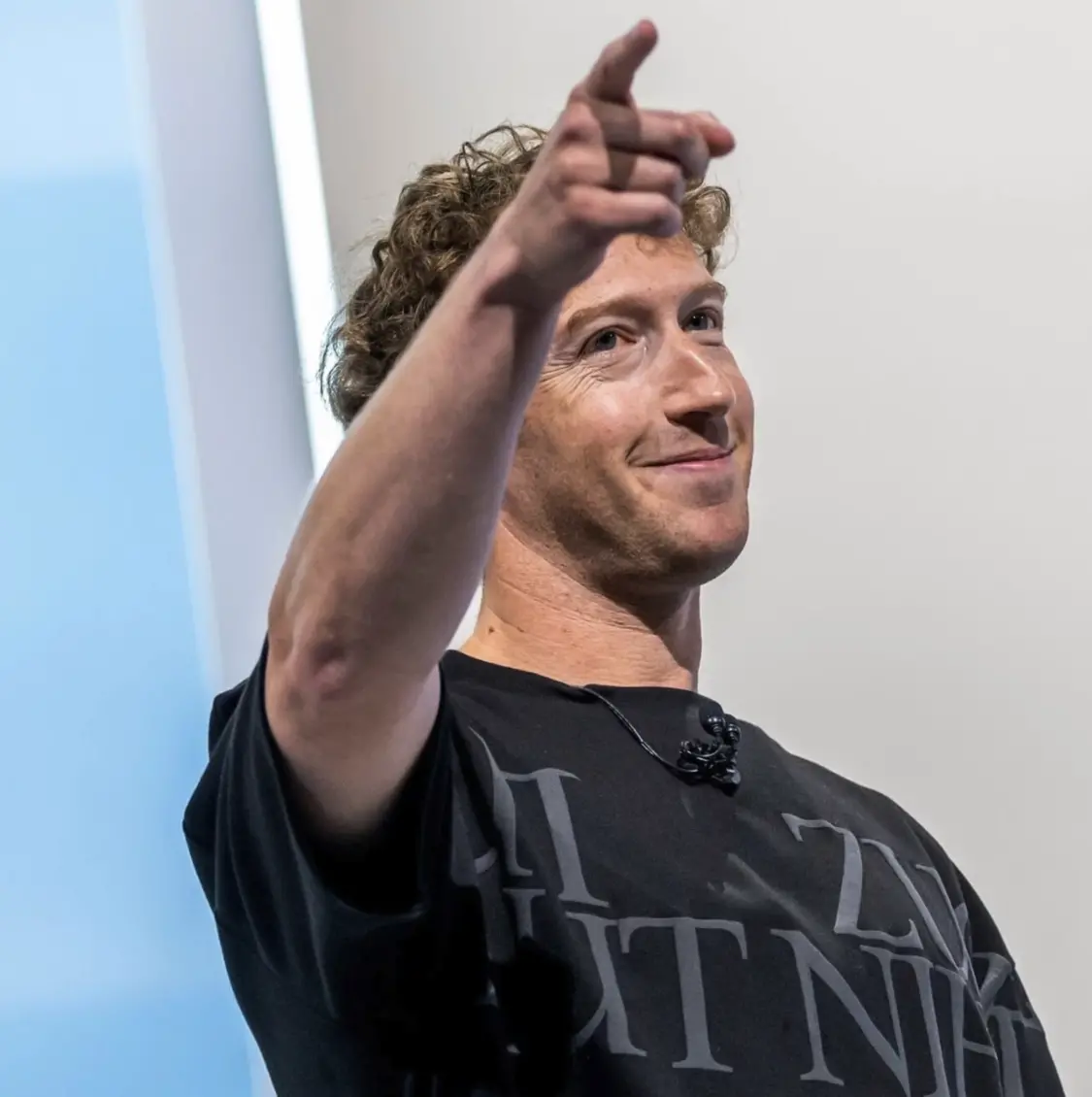
Zuckerberg
People familiar with the matter said that Meta has made at least 10 "astonishingly high" salary offers to OpenAI employees. Multiple people familiar with the matter said that Meta wanted to recruit a senior OpenAI researcher and offered him the position of "chief scientist", but he refused. While stock is included in these compensation packages, the stock vests immediately in the first year.
“If you want me to go to Meta, you’ll probably have to pay this much money.” An OpenAI employee who did not want to be named told Wired magazine. Other employees said that while they were considering compensation, they were also weighing how the impact of their work at Meta compared with OpenAI. Some believe their impact at OpenAI will be greater.
Meta spokesman Andy Stone responded: "These claims are untrue and the size and structure of these compensation packages are grossly misrepresented. Some people choose to exaggerate the facts for their own purposes."
A senior Meta engineer interviewed by "Wired" confirmed that their annual salary at Meta is about $850,000. While this is a considerable figure, it still pales in comparison to the salary packages Meta currently offers to top AI talent. According to data submitted by users of the tech industry salary comparison site Levels.FYI, employees with a higher level than this engineer (E7 on Meta's scale) earn an average annual salary of $1.54 million.
Meta Chief Technology Officer Andrew Bosworth said during an employee Q&A last week that not everyone received a $100 million salary offer. He said, "Listen, everybody, the market is really hot right now. But it's not that hot yet, OK? So that's false. We do hire for a handful of leadership positions, and these people are really worth the money."
He also pointed out that the $100 million was not a signing bonus but "included a lot of different things," and mentioned that OpenAI was also making reverse offers to employees.
For comparison, according to Microsoft's financial filings, Microsoft CEO Satya Nadella's total compensation in 2024 will be US$79.1 million, most of which will be issued in the form of stocks. Uber CEO Dara Khosrowshahi received about $39.4 million in compensation that year, mostly in stock.
On Monday, Zuckerberg sent a note to Meta employees introducing the new superintelligence team. Zuckerberg said that former Scale AI CEO Alexandr Wang will serve as Meta’s chief AI officer. He and Nat Friedman, who once led GitHub, co-lead what Zuckerberg calls the "Meta Super Intelligence Lab."
Zuckerberg did not name a chief scientist or chief research officer when he announced the superintelligence team. Neither Wang nor Friedman are considered researchers, at least in the traditional sense.
According to people familiar with the matter, none of the OpenAI employees who switched jobs at Meta received a salary offer of $300 million.
According to the Wall Street Journal, Zuckerberg told potential recruits that they don’t have to worry about resource shortages. In the AI industry, this is a very attractive promise, because there is currently fierce competition for access to advanced GPU chips, and these resources will affect the ultimate impact of AI research. OpenAI researchers have complained that CEO Sam Altman often promises GPU resources, but leadership doesn't seem to deliver.
Zuckerberg has successfully poached at least seven employees from OpenAI, prompting OpenAI chief research officer Mark Chen to send a letter to employees over the weekend saying it felt "like someone broke into our home and stole something." Chen Xinhan also said that OpenAI is readjusting the compensation plan for top talents, but not at the expense of fairness. He also mentioned that “more supercomputers will come online later this year.”
OpenAI CEO Altman sent a message on Slack on Monday night, criticizing Meta's poaching behavior and hinting that OpenAI is adjusting its compensation system.