A leaker points out that with Apple launching new entry-level "e" models and the upcoming iPhone Fold, that means six new iPhones will be launched in the new year. ifAs more iPhone models become available, Apple may adjust its release schedule.There are rumorsAccording to reports, the base iPhone will likely be released in the spring, while the Pro model will be released in the fall.
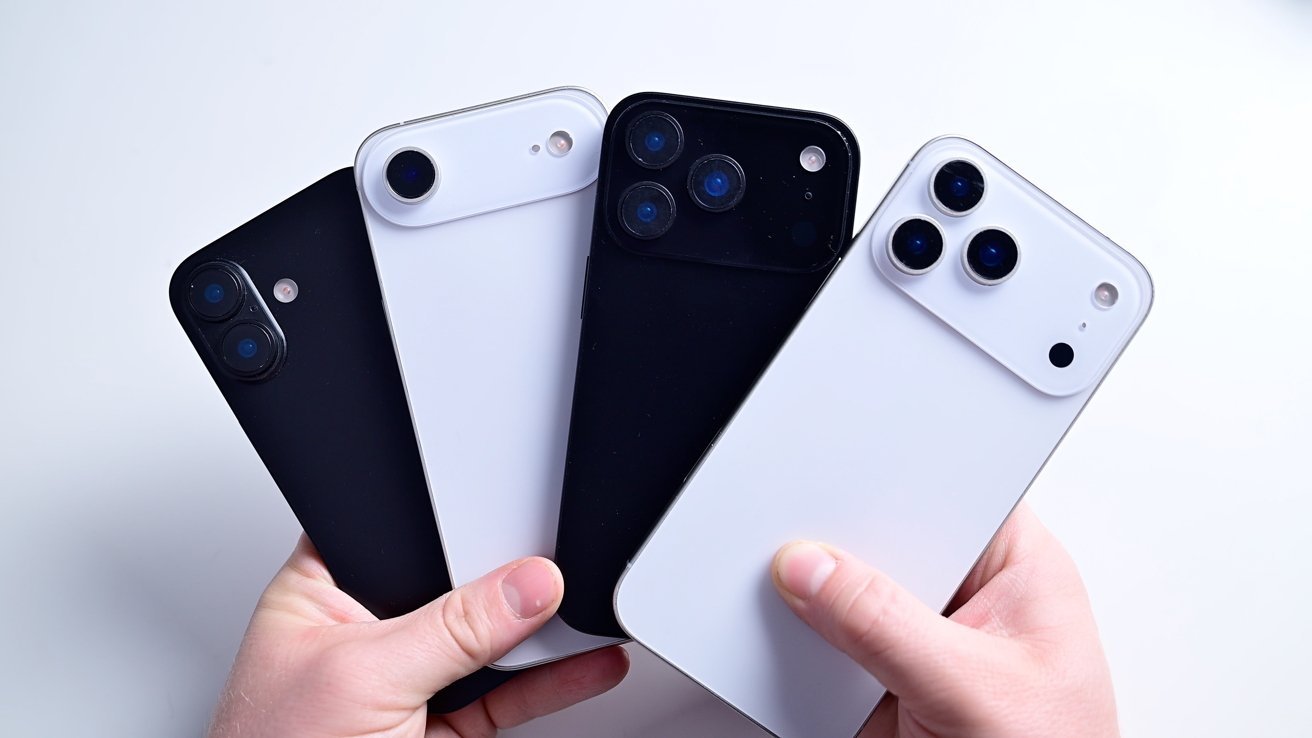
The latest statement comes from Sesana Digital, a source with a reliable track record on Weibo, who said that Apple will launch the iPhone 18 series in phases in early 2027.
It will follow the launch of iPhone 18 Pro models in late 2026 and the long-awaited foldable iPhone. This isn't the first time we've heard that Apple is moving toward a strategy of releasing iPhones every two years.
Analyst Ming-Chi Kuo said back in 2025 that Apple planned to split its release cadence into two parts. iPhone Pro models will be available in the fall, and non-Pro models will be available in the following spring.
Add in Apple's foldable phone (widely expected to arrive by the end of 2026), and the math becomes much simpler. By early 2027, Apple will be able to launch the iPhone 18 and iPhone 18e, alongside the existing iPhone 18 Pro, iPhone 18 Pro Max, and iPhone Fold.
The more interesting angle is what this shift means for Apple's strategy. Spring iPhone releases are not unusual for Apple due to the launch of iPhone SE and iPhone 16e, but this may lead Apple to treat iPhone Pro and non-Pro models as almost separate product lines.
This could help the supply chain and make marketing more geared toward year-round upgrade cycles.
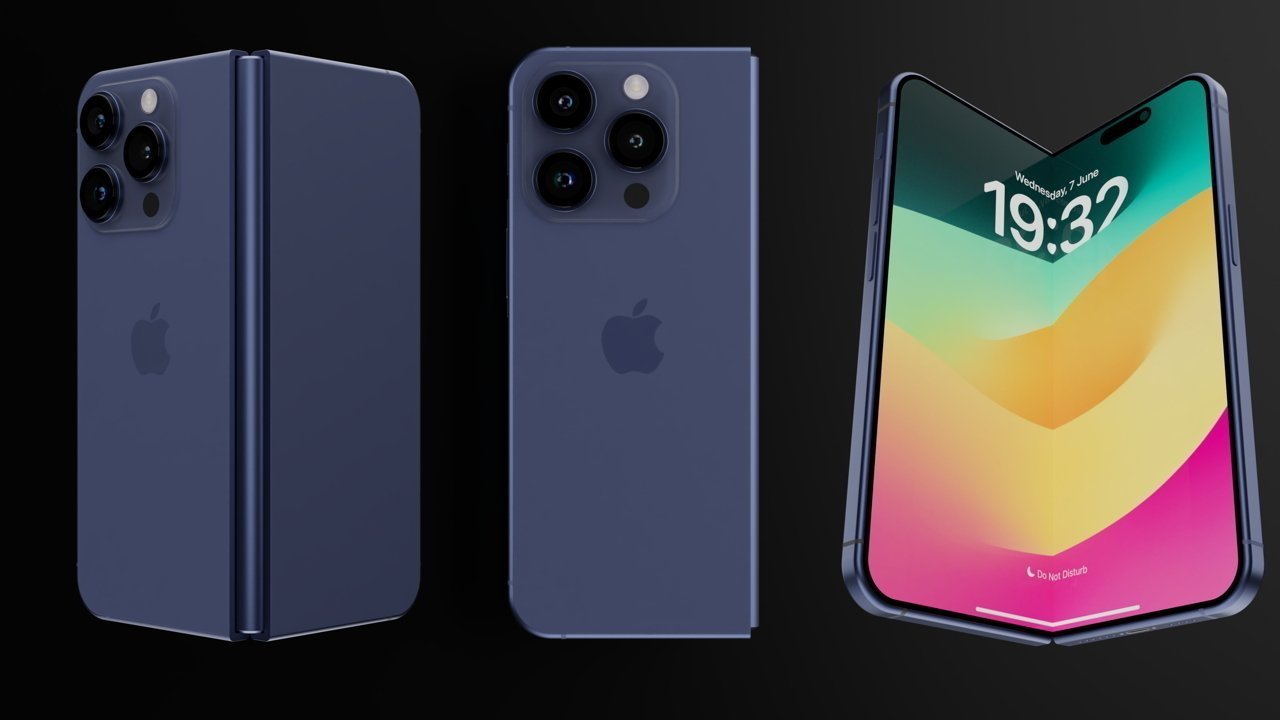
However, the risk of market fragmentation still exists. With six new models launching in a year, Apple's concise promotional strategy focusing on autumn may be difficult to maintain. Buyers may be stuck in a dilemma, deciding which models are worth waiting for.
If the foldable phone is positioned as a high-end endeavor and the iPhone 18e becomes a true entry-level option, then this promotion might work. But Apple must clearly define the positioning of each model. Otherwise, the shift could make the iPhone's once concise lineup even more confusing.