Scientists have discovered a natural compound that can remove up to 90% of plaque and cavities on the mucosa, potentially revolutionizing daily oral care. This low-toxic molecule is found in certain vegetables and is expected to be added to toothpaste and mouthwash in the future to help keep teeth clean, strong, and healthy.
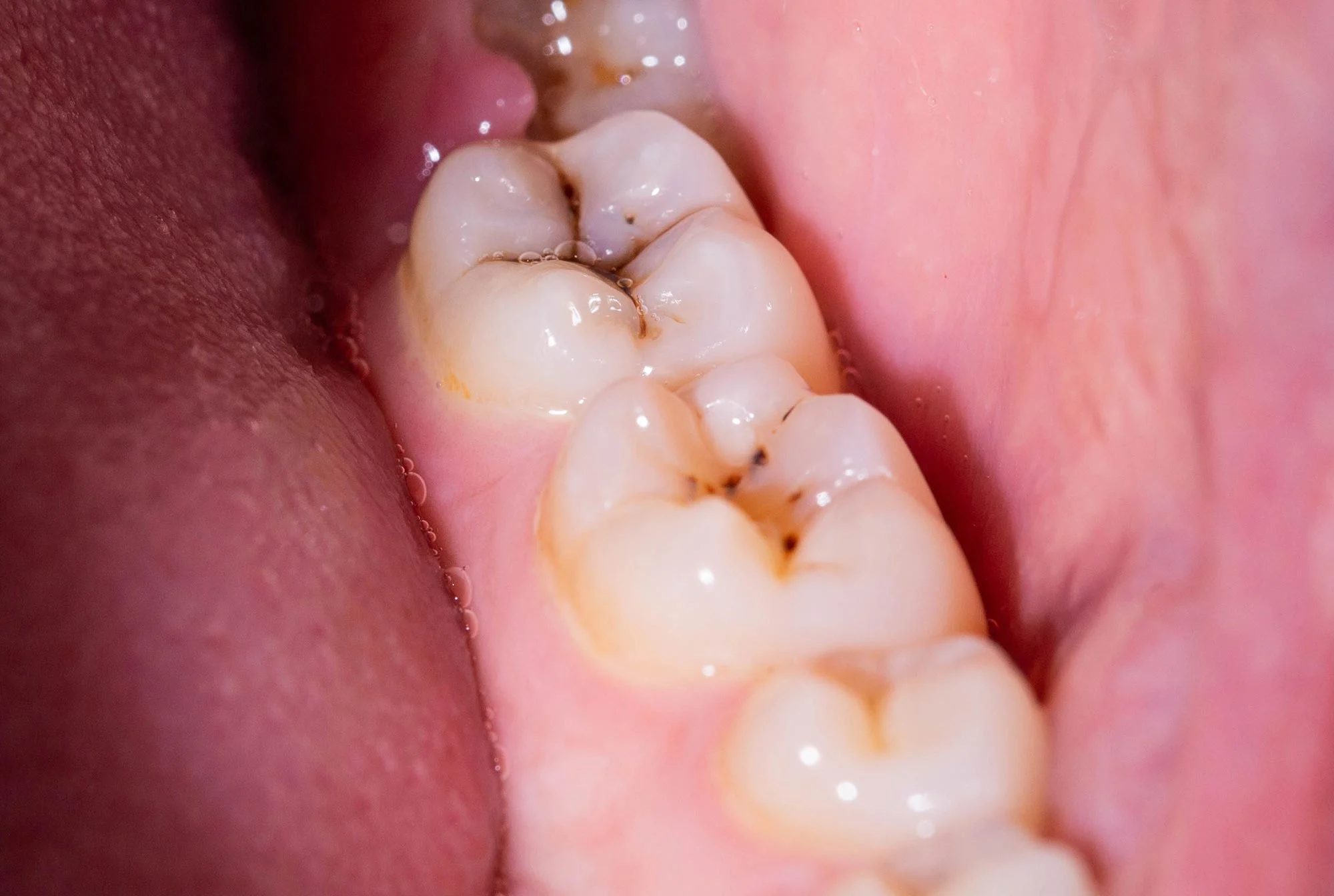
A large proportion of the world's population either suffers from chronic plaque and cavities or will experience them at some point in their lives. While toothpaste, mouthwash, and regular dental visits can help, there are better solutions.
Researchers at Israel's Ben-Gurion University of the Negev, working with colleagues from Sichuan University and the National University of Singapore, have discovered a natural compound called 3,3′-diindolylmethane (DIM, also known as bisindole) that can reduce biofilms that cause plaque and tooth decay by 90%. This compound also has anti-carcinogenic effects.

The team's findings were published in the journal Antibiotics.
The human mouth provides an ideal environment for bacteria such as Streptococcus mutans, a key factor in causing tooth decay. After eating, Streptococcus mutans thrives in the warm, sugary environment of the mouth and forms a sticky biofilm on the teeth. This biofilm causes plaque buildup, which erodes tooth enamel and causes cavities. Laboratory tests show that bisindole (DIM) destroys 90% of biofilms, preventing bacteria from multiplying.

"This molecule has low toxicity and can be added to toothpaste and mouthwash to significantly improve oral hygiene," said the study's lead author Ariel Cushmarow, professor in the Avram and Stella Goldstein-Goren Department of Biotechnology Engineering. He is also a member of the Ilse Katz Institute for Nanoscience and Technology and the Goldman Sonnenfeldt School of Sustainability and Climate Change.

Compiled from /scitechdaily