Is the red in your eyes the same as the red in my eyes? The latest brain science tells us: at least at a neurological level, the answer is probably yes. "Whether color perception varies from person to person" has long been a hot topic in philosophy and science. A breakthrough study recently published in The Journal of Neuroscience provides neuroscientific evidence for this mystery through brain activity analysis for the first time.
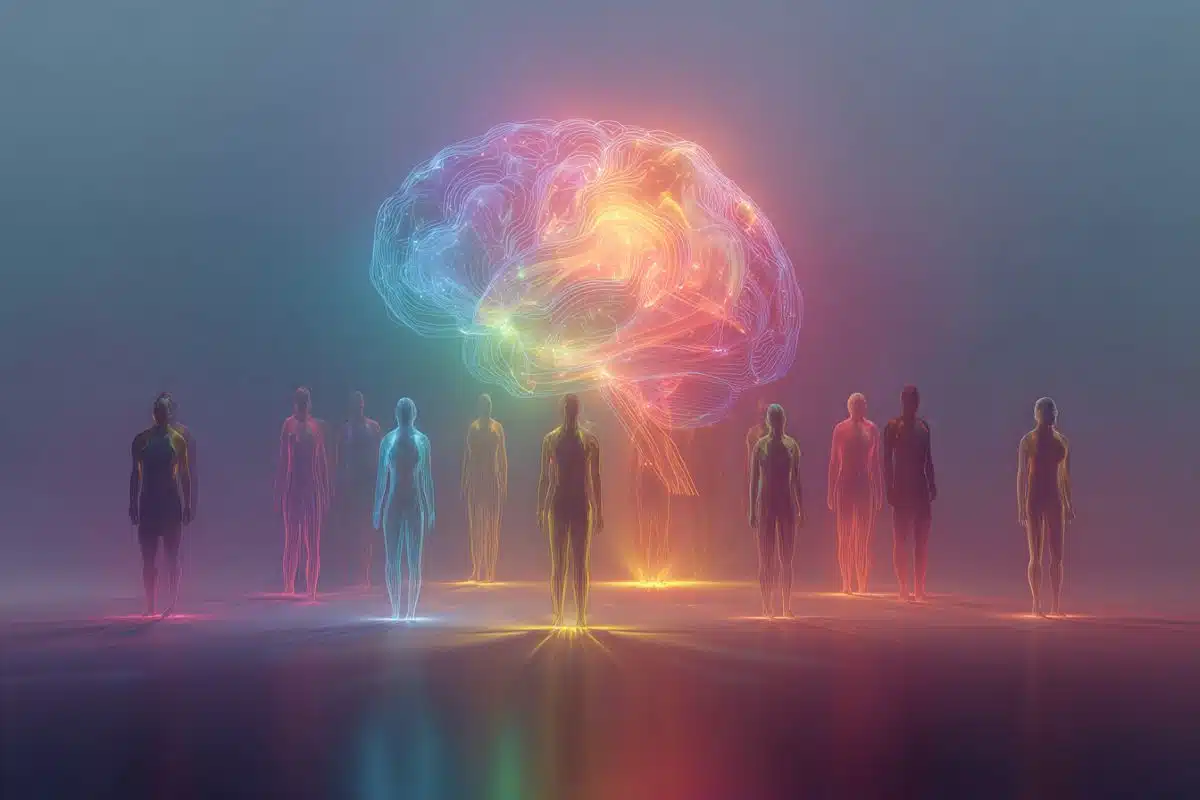
A research team from the University of Tübingen and the Max Planck Institute for Biological Cybernetics in Germany designed an ingenious experiment. The researchers had subjects view different shades of red, green and yellow while using functional magnetic resonance imaging to monitor neural activity in the visual areas of their brains.
The results were surprising: despite individual differences between people, the brain exhibited highly consistent neural coding patterns for processing specific colors. Even more strikingly, the research team was able to accurately predict the colors the subjects were looking at simply by analyzing brain activity patterns.
The findings suggest that the human brain may share a basic "color processing code" and that there are systematic similarities in the way different brains neurally represent color.
This research not only provides new insights into the neural mechanisms of color perception, but also provides an important theoretical basis for the development of applications such as brain-computer interfaces and visual prostheses. The next step, the researchers say, will be to explore whether cultural background and language differences affect how the brain processes color.