Finnish and British scientists recently discovered that heart attacks (myocardial infarction) are not just caused by cholesterol and lifestyle, but may also involve latent infections. According to new research, a gelatinous biofilm formed by bacteria persists inside coronary atherosclerotic plaques. These bacteria can remain dormant for decades, evading attack by the immune system and antibiotics. It is not until viral infection or other external stimuli are encountered that these bacteria are activated, leading to an inflammatory response, which in turn promotes the rupture of arterial plaques and ultimately the formation of blood clots that trigger heart attacks.
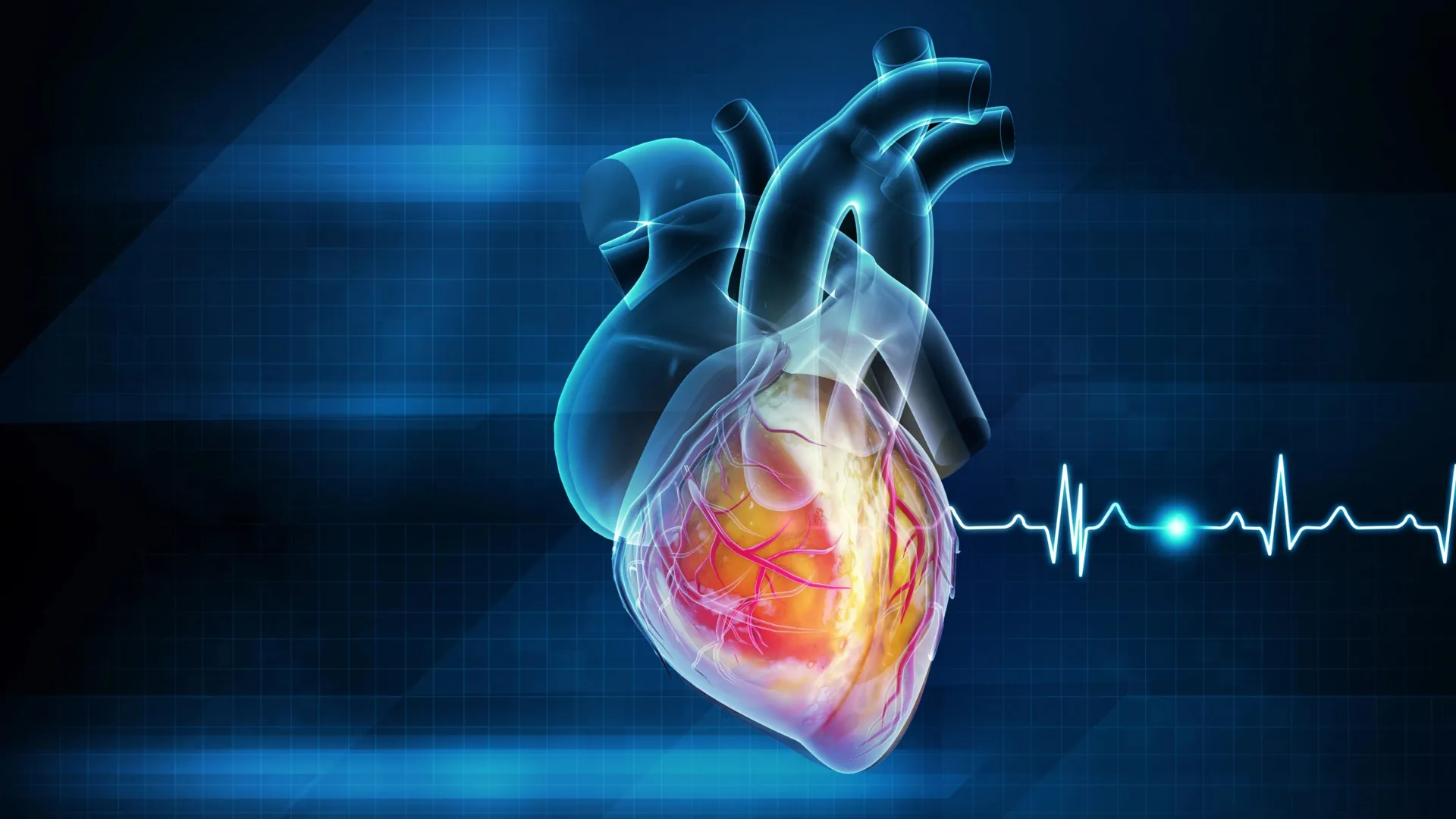
The research team used a variety of cutting-edge methods to discover the DNA of multiple oral bacteria within coronary artery plaques for the first time. By developing antibodies that specifically target these bacteria, the researchers unexpectedly observed biofilm structures within plaque tissue and detected the released bacteria in heart attack samples. The body's immune system reacts strongly to these bacteria, inducing an inflammatory process that ruptures cholesterol-rich plaques and leads to myocardial infarction.
Professor Pekka Karhunen, the leader of the study, said that for a long time, it has been generally believed that coronary heart disease is mainly caused by foreign substances such as oxidized low-density lipoprotein (LDL), but there has been a lack of direct evidence of the role of bacteria. This study is the first to discover genetic material in tissue samples and confirm the presence of biofilms using antibody methods.
This discovery opens up new directions for the diagnosis, treatment and vaccine prevention of heart disease. The research team further noted that the possibility of preventing myocardial infarction through vaccines or other means is greatly increased.
The study was jointly conducted by the University of Tampere in Finland, the University of Oulu, the Finnish Institute of Health and Welfare, the University of Oxford in the United Kingdom and other institutions. It analyzed arterial tissue samples from patients who died suddenly and underwent blood vessel clearance surgery. The research was funded by the European Union and several foundations.
The paper, titled "Viridans Streptococcus Biofilm Escapes Immune Detection and Causes Atherosclerotic Plaque Inflammation and Rupture," has been published in the Journal of the American Heart Association.