EU finance ministers will meet on Friday to try to reach a common position on the construction of a digital euro. The digital euro is expected to become an alternative to the currently dominant US payment systems of Visa and Mastercard.
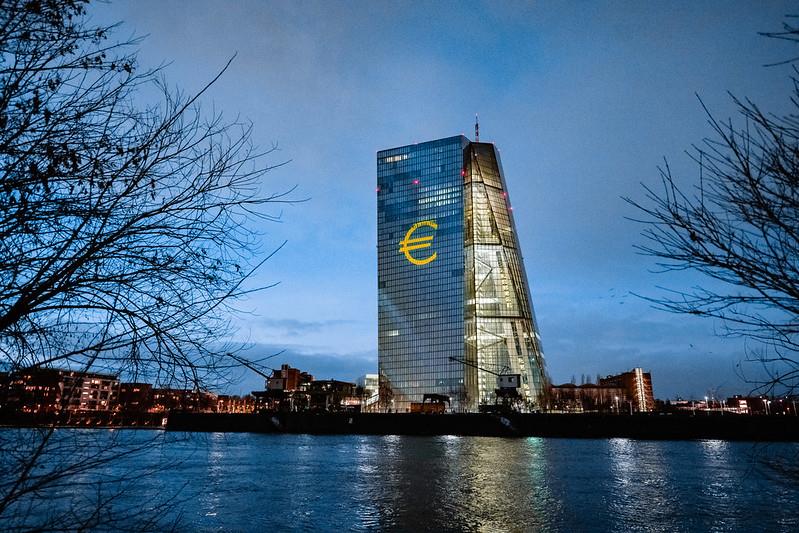
The euro is now in circulation in 20 EU countries, and discussions about launching a digital equivalent of the euro have been ongoing for six years. This discussion has become more popular this year because the EU is eager to reduce its dependence on other countries in key areas such as energy, finance, and defense.
Spanish Finance Minister Carlos Cuerpo told reporters when entering the Finance Ministers' Meeting in Copenhagen: "We need to promote the construction of an independent digital payment system to reduce dependence on other payment service providers."
He pointed out: "I think this is a key area of advancement, and we must accelerate the pace and make progress. The finance ministries of each member country and the current political environment have felt this urgency, which is also driving the advancement of relevant agendas."
The legislative process is blocked
Although there appears to be widespread support for a digital euro at a political level, the European Parliament has yet to pass the necessary legislation, citing the reasons that some details still need to be worked out.
However, the European Central Bank (ECB) still hopes to complete all legislative procedures in the first half of next year to pave the way for the advancement of the digital euro project.
EU Economic Affairs Commissioner Valdis Dombrovskis also emphasized that as more and more commercial activities shift online, Europe urgently needs an autonomous payment system for online shopping.
"It is vital to strengthen Europe's strategic autonomy. We should not be forced to rely on foreign payment systems, but should establish a complete payment system covering all Europe," he said on Friday.
The European Central Bank has presented plans for a digital euro – essentially an online e-wallet guaranteed by the central bank. Part of the purpose of launching this digital currency is to create a set of electronic payment tools that do not rely on dominant U.S. payment service providers such as Visa, Mastercard, and PayPal.
Some EU member states already have their own digital payment systems, but no system is currently available across the entire 27-nation bloc.
Although the European Commission proposed legislation related to a digital euro in June 2023, progress has been slow since then. Some lawmakers and bankers are worried that the digital euro may divert banking business and may also trigger stability risks such as digital runs on banks.
Even if the European Parliament passes relevant legislation, it will still take about 2.5 to 3 years for the European Central Bank to officially launch a digital euro.
“The ECB can put in place the infrastructure on which the private sector can then develop the necessary application solutions,” Dombrovskis said.
He pointed out: "We believe this is an important project both from a technological development perspective and from the EU's strategic autonomy."