Meta will soon show ads and other content to users based on their interactions with the company’s digital assistant and related products powered by generative artificial intelligence. The social media giant announced an update to its recommendation system on Wednesday and said it will take effect on December 16. Users will be notified of the changes starting on October 7.
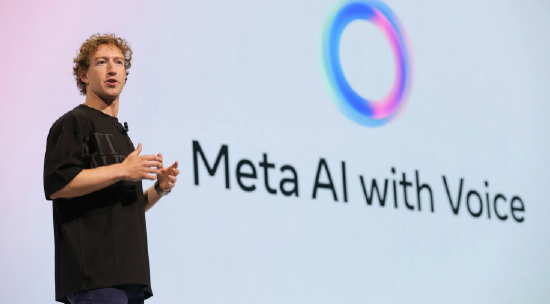
The move underscores Meta's attempt to better integrate its billions of dollars in artificial intelligence investments with its core online advertising business.
Meta went on a massive AI hiring and spending blitz this summer, saying in its second-quarter earnings report in July that its AI initiatives would "result in higher year-over-year expense growth in 2026 than in 2025."
The company currently offers generative artificial intelligence capabilities to users through its Meta AI digital assistant, which is bundled with apps such as Facebook, Instagram, WhatsApp and Messenger. Meta AI is also available as a standalone app and website.
Users can interact with Meta AI as they would with OpenAI’s ChatGPT, asking it to provide directions or generate images based on prompts.
The company also said that the Meta AI digital assistant currently has more than 1 billion monthly active users, although this number is not for Meta AI standalone applications.
Zuckerberg said in May that Meta AI had reached 1 billion monthly active users, adding that eventually "there will be opportunities to plug in paid recommendations" or offer "subscription services where people can pay to use more computing."
Christy Harris, Meta's manager of privacy and data policy, told a media briefing that Facebook parent company is already thought to be combining generative AI interactions with ad targeting and content recommendations.
"While this is a natural progression of our personalization efforts and will help us provide better recommendations to people, we want to be super transparent about this and provide reminders before we actually start using this data in new ways, even if people already think we're doing that," Harris said.
Harris gave an example of how the update will affect the types of content and ads people see on Facebook, Instagram and other meta-related apps.
For example, when users chat with Meta AI to discuss planning a family vacation, the digital assistant’s answers may influence the types of Reels short videos recommended for them to watch on Facebook.
"So the Reels I see on Facebook or other content recommended to me might include family-friendly travel destinations," Harris said. "It might include hotel ads or other signals that will be notified through my conversations with Meta AI."
Voice interactions with the Meta AI digital assistant when people wear the company's Ray-Ban Meta glasses will also impact the company's recommendation engine, Harris said.
"So whether you're typing something interactive with a keyboard or you're interacting with audio, those signals are going to be used," she said.
Harris said the updated recommendations will not take into account users' interactions with Meta AI through WhatsApp unless the user links their account on WhatsApp with other similar applications such as Instagram.
People won't be able to opt out of the upcoming changes to the recommendation engine, but if they don't interact with Meta AI, "the updates won't apply to them," Harris said.
Harris said Meta plans to roll out recommended updates to users in the UK and EU "in line with our usual regulatory updates."