Germany's Volkswagen announced a net profit of only 3.4 billion euros in the first three quarters of 2025, a sharp drop of 61% year-on-year, mainly due to the imposition of import tariffs by the United States and the failure of its luxury brand Porsche's electrification strategy. The crisis triggered a shakeup in high-level personnel and raised concerns about the future direction of Europe's largest car company.
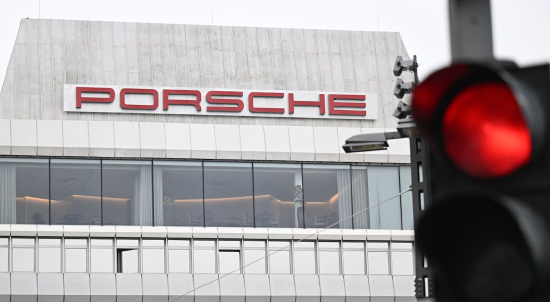
Data shows that Volkswagen has been affected by the Trump administration's trade policies, with tariff expenditures reaching 2.1 billion euros, and its annual losses may expand to 5 billion euros. The company's chief financial officer, Antiz, warned that the company must accelerate cost reductions in all departments. At the same time, Porsche gave up the launch of many pure electric models (including an SUV larger than the Cayenne), resulting in an impairment of 4.7 billion euros. In the third quarter, it suffered an operating loss of 966 million euros, which was its first loss since its listing.
This also dragged down the controlling shareholder Porsche SE, whose adjusted profit after tax in the first nine months was 1.6 billion euros, a year-on-year decrease of 36%. Affected by this, the Porsche Supervisory Board asked Oliver Blum to step down as CEO of Porsche, retain only the position of president of the Volkswagen Group, and appointed former McLaren CEO Michael Letters to take over from January 2026.
The Volkswagen Group still maintains its full-year revenue forecast of about 325 billion euros, but it expects operating profit margins to drop sharply from 9% last year to 2%-3%. The company is advancing its plan to lay off 35,000 people by 2030, and about 20,000 people have already voluntarily resigned. Consolidating costs, adjusting strategies, and restoring profitability have become top priorities for this auto giant under the attack of high tariffs and the transformation of electric vehicles.