Researchers at Washington State University have recently discovered that artificial beaver dams (BDAs) are becoming an important tool in restoring ecosystems in the Pacific Northwest of the United States and resisting the effects of climate change. The structures, which mimic the natural dams built by beavers and are woven from plant materials such as willow, have been used extensively in rivers such as Oregon's Bridge Creek to help boost fish populations, including threatened steelhead trout.
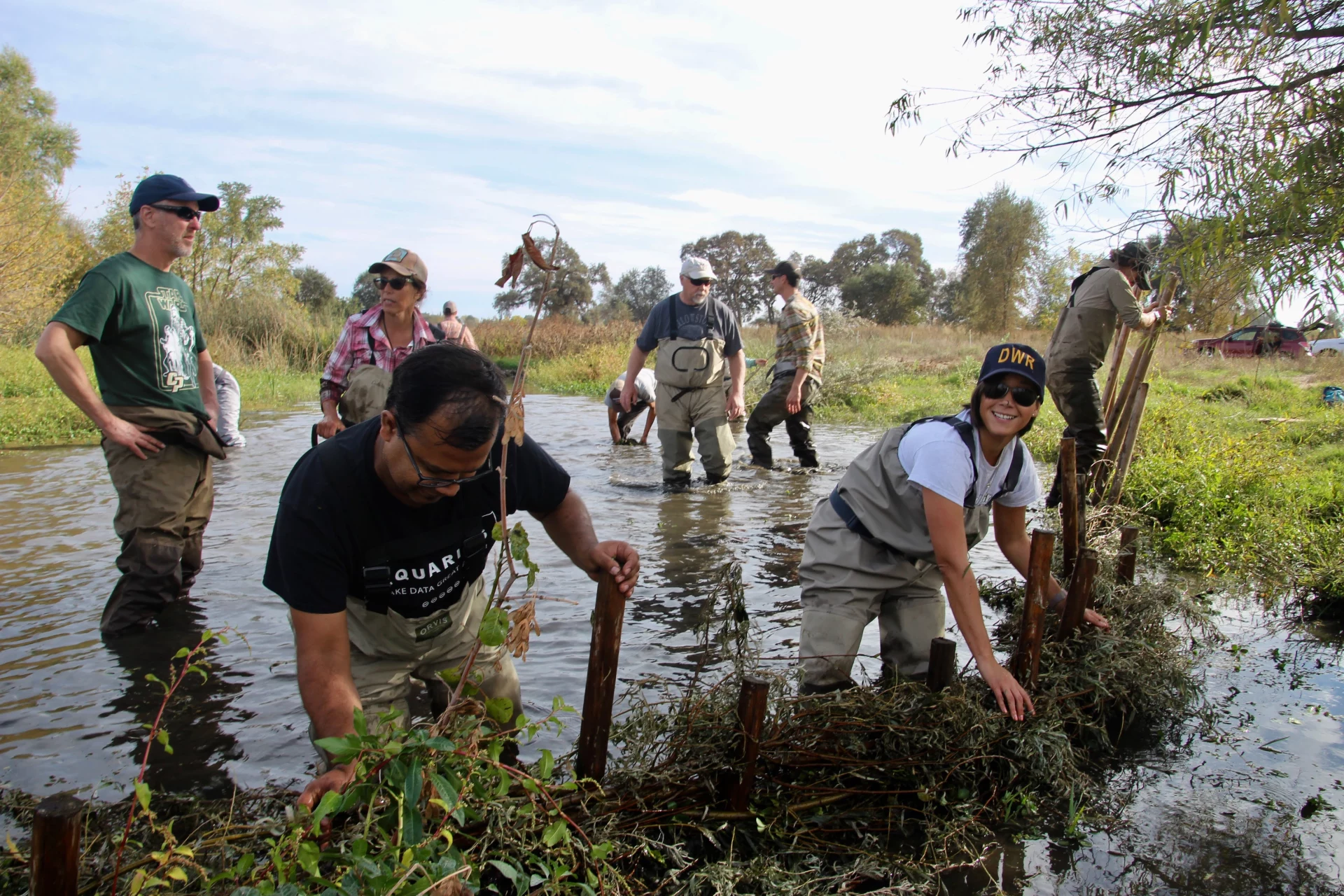
Modern Canadian beavers (Castor canadensis) are the descendants of giant ancestors as big as black bears. There were once as many as 400 million of them all over the North American continent. They used their iron-containing orange and nearly invincible incisors to cut down giant trees and build semi-underwater ecological homes that transformed the terrain and regulated water flow. However, due to ruthless human fur hunting, its population has plummeted by 97.5%, leaving only about 10 million animals, which cannot quickly respond to the environmental crisis caused by industrial activities.
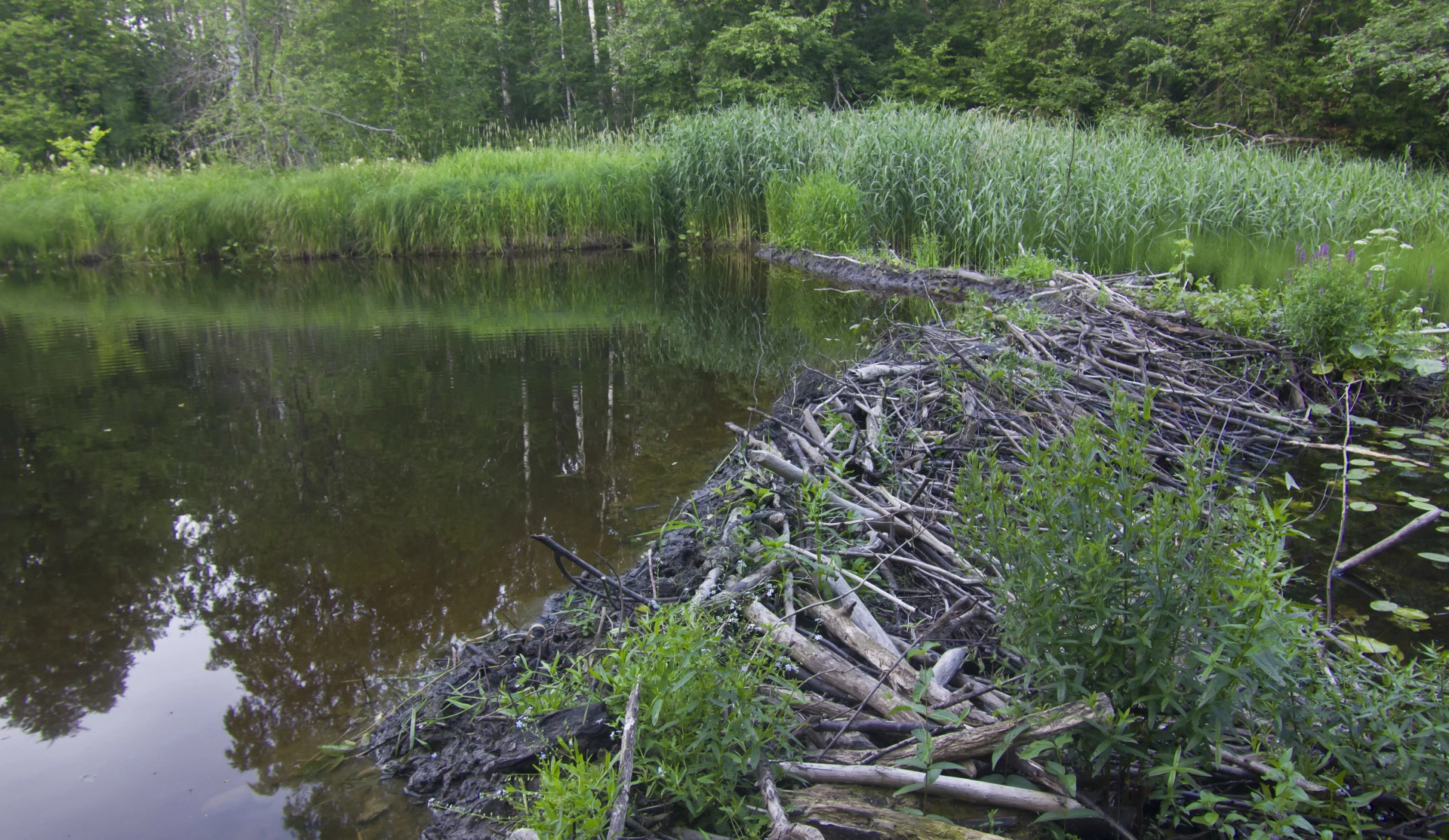
Long considered a pest, beavers are now considered a keystone species for autonomous management of the biosphere. The research team analyzed 161 related studies in the journal Restoration Ecology and found that beaver dams not only store deep water, but also help waterways recover from climate change, reduce summer water temperatures, enhance floodplain connectivity, and prevent the spread of wildfires, thereby significantly increasing biodiversity.
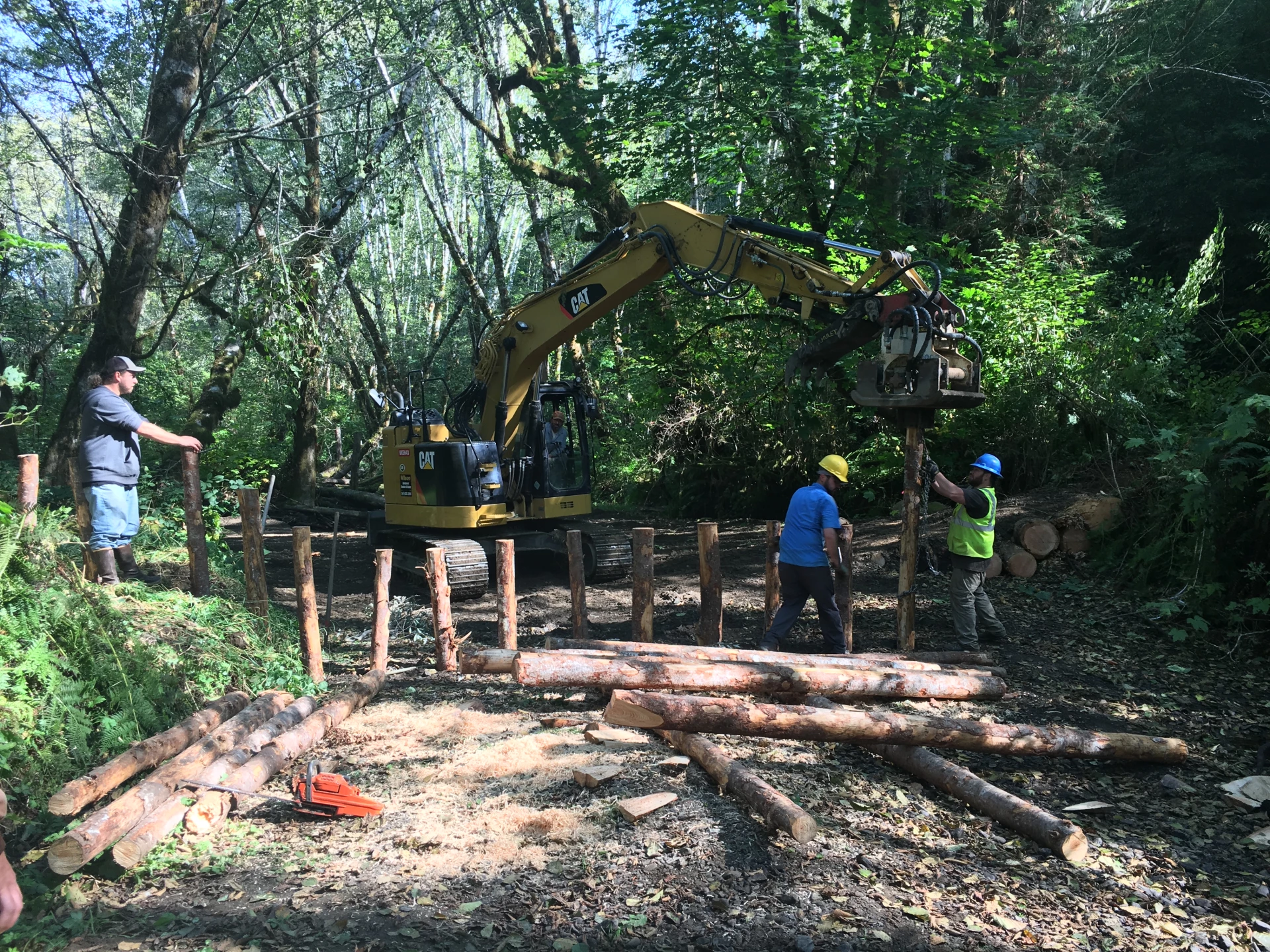
Jonah Piovia-Scott, an associate professor in the Department of Biological Sciences at Washington State University in Vancouver, said that this "beaver-imitating" practice is becoming increasingly popular in the Pacific Northwest, but implementation has far outpaced the pace of research, and more field verification is needed to see whether its benefits apply to different ecosystems. He emphasized that cooperation with indigenous tribes and non-profit organizations is crucial. These groups have rich practical experience but are difficult to carry out large-scale scientific research due to financial constraints.
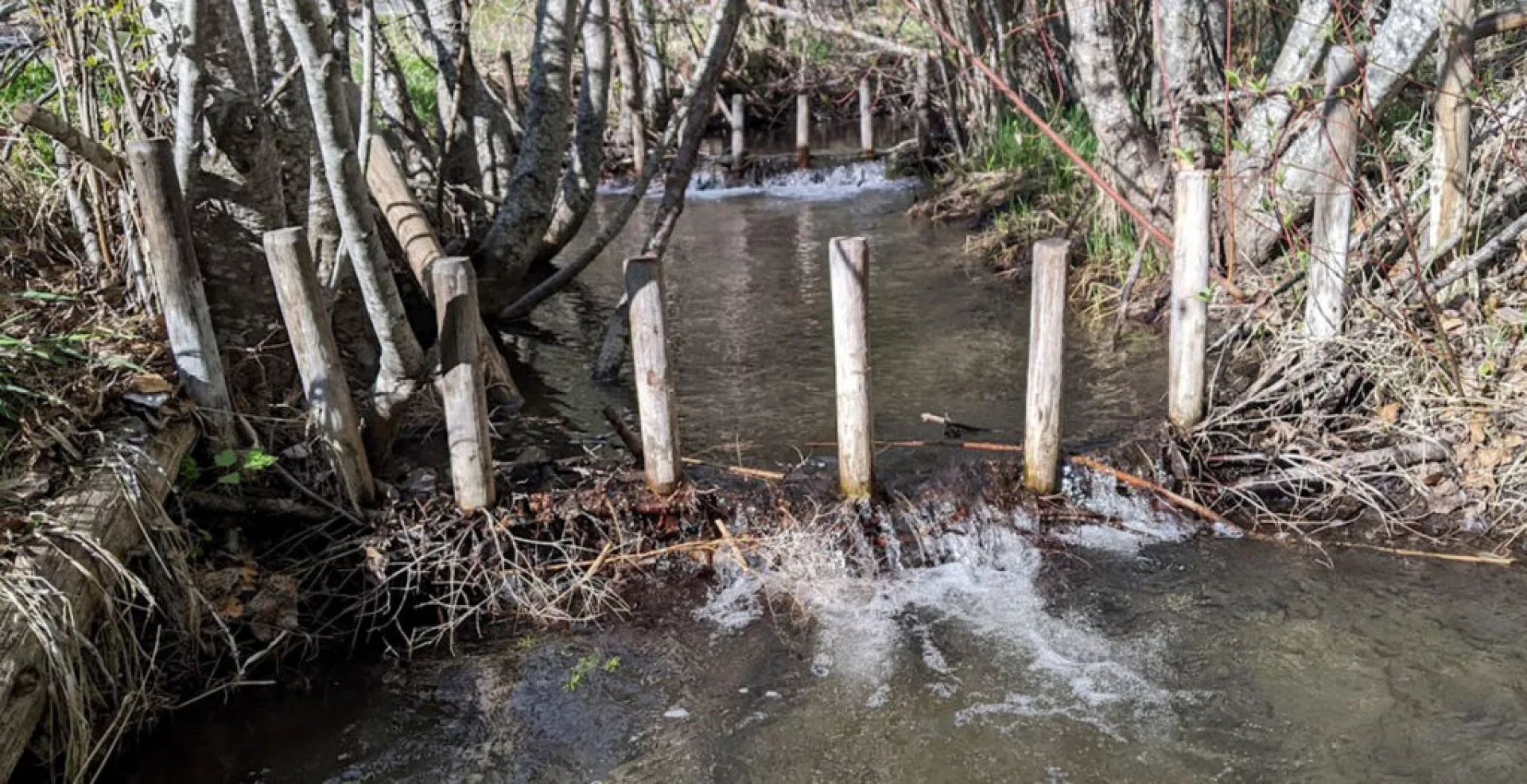
Jesse A.S. Burgher, lead author of the study and wildlife program manager for the Cowlitz Indian Tribe, is also committed to restoring beaver populations and habitat. Piovia-Scott noted that through partnerships, frontline knowledge can be translated into scientific results that can drive more effective environmental restoration strategies.