At a time when U.S. electricity demand is restarting and rising due to the rapid growth of artificial intelligence data centers and high-end manufacturing, nuclear energy, which was once marginalized, is returning to the center of policy and capital games. Technology giants, Washington decision-makers and electric utilities are launching a new round of games around "how to make the power grid both stable and low-carbon in the AI era."
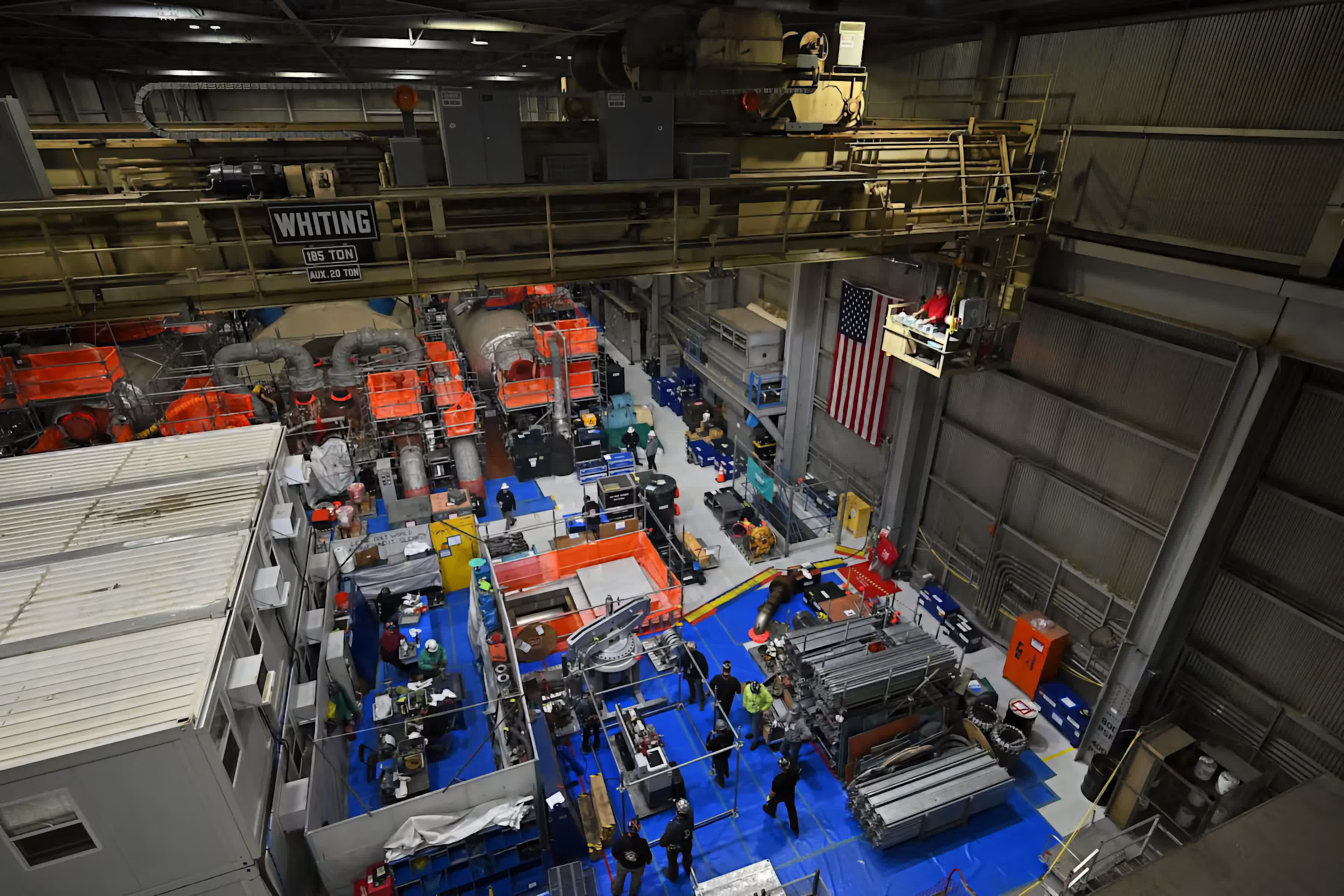
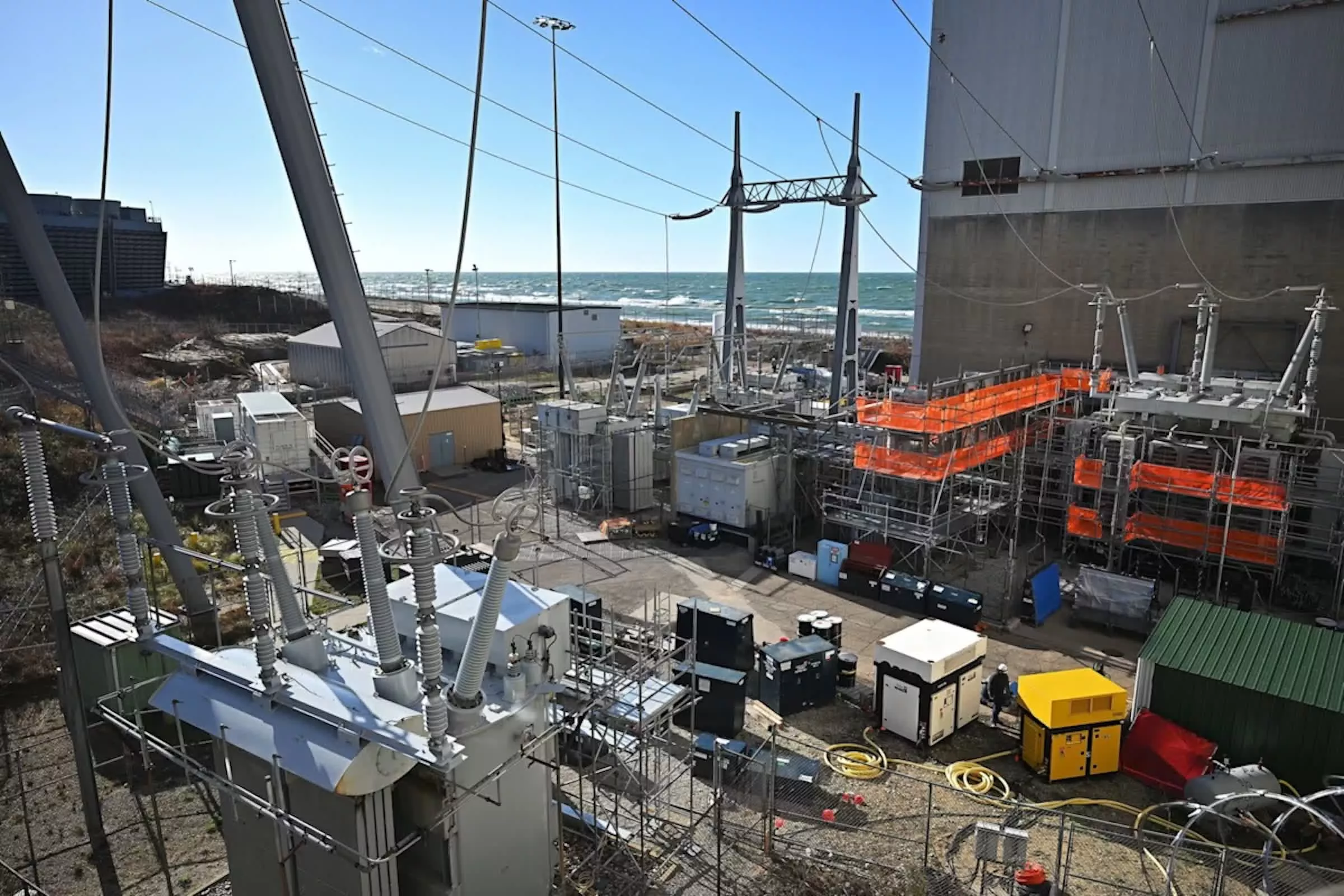
Seven years ago, the U.S. nuclear power industry was a different story: Against the backdrop of cheap natural gas and stagnant electricity demand, utility companies such as Entergy shut down multiple nuclear power plants one after another, including Palisades in Michigan. Units that had been operating for decades were considered unsustainable on the financial books, and most units were sold to professional companies for decommissioning and dismantling as usual. The Palisades power station was originally handed over to Holtec International to be responsible for decommissioning, but now it is being "resurrected" with the support of huge federal funds - Holtec received about 3.2 billion U.S. dollars in government support for restarting units, system renovations, and providing subsidies to rural electric cooperatives that purchase electricity. Its plan also includes the construction of two new small modular reactors at the plant, increasing the total installed capacity to about 1,400 megawatts, which can theoretically power about 1.4 million households.
Industry insiders pointed out that the restart of Palisades provides the first sample of a regulatory path for the "shutdown and restart" of commercial nuclear power units in the United States, which is being copied for power plant projects such as Duane Arnold in Iowa and Three Mile Island in Pennsylvania. For large technology companies and cloud service "hyperscale" data center operators, the appeal of nuclear power is that it can provide continuous and stable baseload power while emitting almost no carbon dioxide during the operation phase. It is seen as a natural match for high-capital, long-term infrastructure such as data centers, as long as regulators and financial institutions are willing to share risks.
This week, Meta signed multiple agreements to lock in more than 6 gigawatts of nuclear power supply for future data center expansion, which is equivalent to the power needs of about 5 million households, making the company one of the largest corporate nuclear power buyers in the AI field. At the same time, the Trump administration has elevated this logic to a national-level industrial and energy strategy: President Donald Trump has pledged to slash regulations, spend tens of billions of dollars to restart existing nuclear power plants and build new units, positioning nuclear energy as a critical infrastructure to "win the AI race."
In May 2025, Trump proposed to increase the US nuclear power installed capacity to four times the current level by 2050, which means that from 2030 to 2050, about 15 GW of new nuclear power installed capacity will be needed every year, and the US historical record is the annual increase of 10.5 GW reached in 1974. In order to "open the floodgates," the federal government has agreed to a cooperation plan totaling approximately US$80 billion with private equity giants Brookfield and Westinghouse Electric. It plans to build eight large-scale AP1000 reactor units in the United States as a model project for a new round of nuclear power expansion.
However, the performance of large-scale nuclear power construction in the United States in recent years has not been impressive: Vogtle Units 3 and 4 in Georgia—the first new large-scale commercial reactors built in the United States in decades, and the debut of AP1000 technology in the United States—will be put into operation in 2023 and 2024 respectively, with an overall delay of about 7 years from the original plan, and a total cost overrun of about US$18 billion. The unit cost of the project has climbed to about US$15,000 per kilowatt, which is about five times that of similar projects in South Korea and much higher than the levels of countries such as China, India and France. These overspending are eventually added to user bills. Since 2022, the annual electricity bill for ordinary users has increased by more than US$500, triggering a local political backlash and causing two Republican members of the Georgia Public Service Commission to lose their seats.
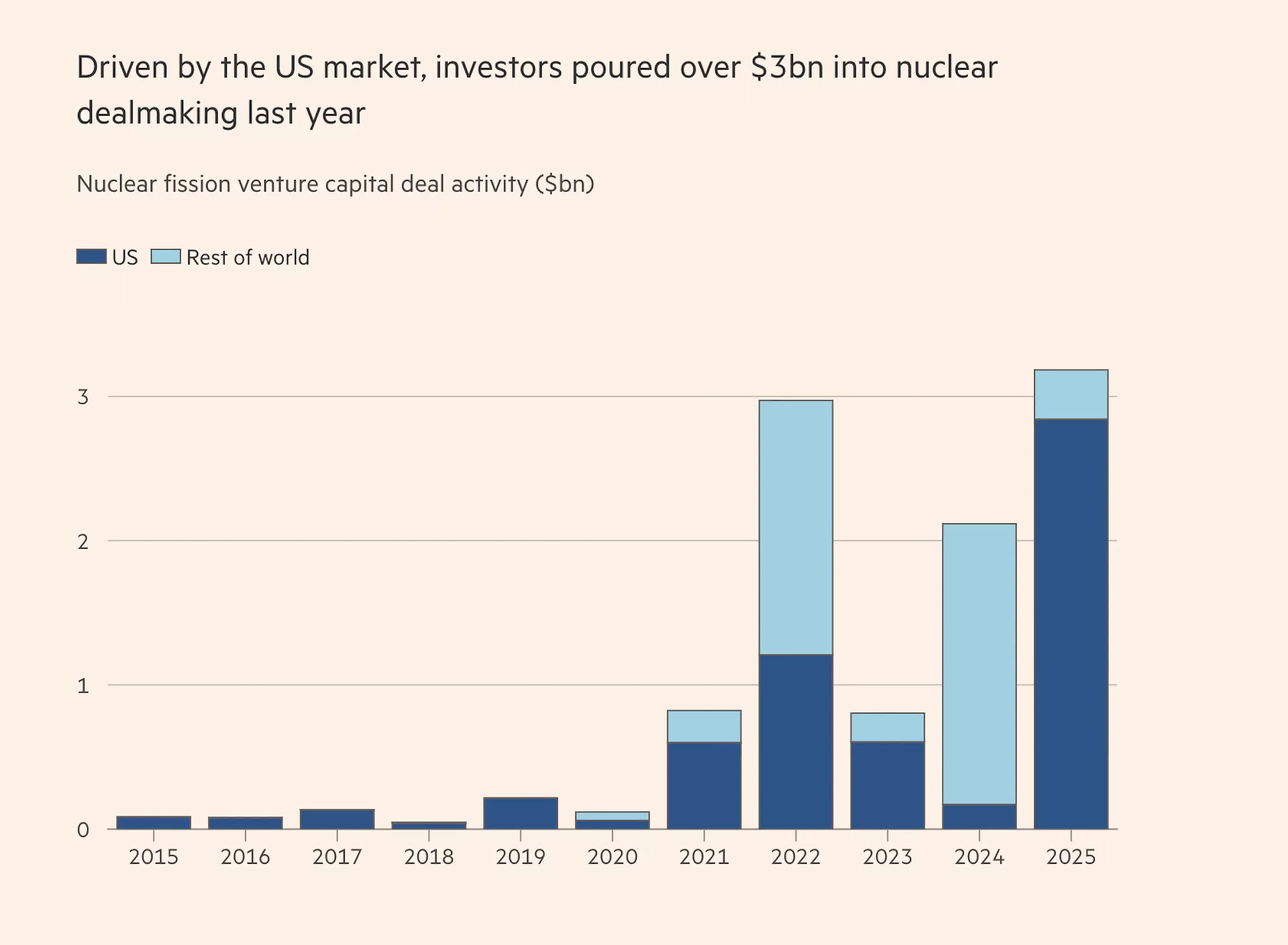
Huge losses from the Vogtle project and other similar projects once dragged Westinghouse into bankruptcy protection proceedings in 2017. It also made U.S. utility companies more cautious about betting on large-scale nuclear power units again, and they were generally concerned about financial and reputational risks. At the same time, equity investments and infrastructure funds began to turn their attention to small modular reactors (SMRs), which have high hopes: in 2025, the financing amount of related start-ups in the private capital market hit a new high of US$3 billion. The single reactor power of the units developed is usually one-third or even lower than that of traditional large units, emphasizing factory modular production, on-site assembly and step-by-step expansion, in order to reduce individual capital pressure and overall project risks.
Supporters of SMR believe that by standardizing components, reducing investment in a single stack and expanding in stages on demand, small reactors are expected to avoid the "one-time multi-billion dollar gamble" model and are more in line with the current risk appetite of the capital market. They are especially suitable for deployment around data center clusters with relatively complete land, cooling water sources and power transmission conditions. However, this technology path is still in the early verification stage. There are more than 50 SMR solutions under development in the United States. Currently, only one company, NuScale, has obtained design certification from the U.S. Nuclear Regulatory Commission (NRC). No project has obtained an actual operation license, and there is no commercial operation example.
In order to speed up the implementation of nuclear power projects, the Trump administration is promoting in-depth adjustments to the Nuclear Regulatory Commission's approval process and internal culture, trying to reduce regulatory obstacles deemed to be "excessive risk aversion" through "fast-track" review. This approach has been publicly questioned by some former committee members and senior technical personnel. They warned that the loss of experienced personnel in the regulatory team, coupled with the simplification of procedures, may prolong the actual review time on the one hand, weaken safety protection on the other hand, and plant new hidden dangers for the industry.
On the economic level, Jefferies analyst Julien Dumoulin-Smith bluntly stated that in the current context of high inflation, the affordability of electricity prices for residents and businesses has become an important political issue. There are questions about whether utilities are willing to pass on high-cost power generation assets to user bills. A more realistic question is: if federal funds are not in place, will data center operators be willing to directly undertake billions of dollars in project investments and use long-term power purchase agreements to endorse nuclear power projects? In contrast, some analysts see a rare opportunity for the convergence of market and policy: Adam Stein, head of nuclear energy innovation at the think tank Breakthrough Institute, pointed out that under the combined effect of tax breaks, government loans, surge in electricity demand and active deployment of private funds, the current market environment for nuclear power financing is "the most favorable market environment in history", which is completely different from the situation in the mid-2000s when attempts were made to restart nuclear power but were eventually interrupted by the shale gas revolution, stagnant power demand and the Fukushima accident.
In the view of these observers, the combination of AI computing power dividends and decarbonization pressure is creating a rare window for the expansion of the U.S. nuclear power fleet. If a balance can be found between regulatory reform and capital investment, the United States is expected to usher in a true "nuclear energy renaissance," which will also have a profound impact on global energy transformation and digital infrastructure security.