Netflix plans to acquire Warner Bros. Search Channel for nearly $83 billion, a move that is facing antitrust scrutiny from the U.S. government; at the same time, Paramount is still launching a competing acquisition bid for the Hollywood media giant. According to people familiar with the matter, U.S. Department of Justice antitrust enforcement officers are questioning industry stakeholders about the acquisition and investigating whether Netflix may have monopolistic market power after acquiring Warner Bros.'s film and television production and streaming business to assess the competitive risks of the transaction.
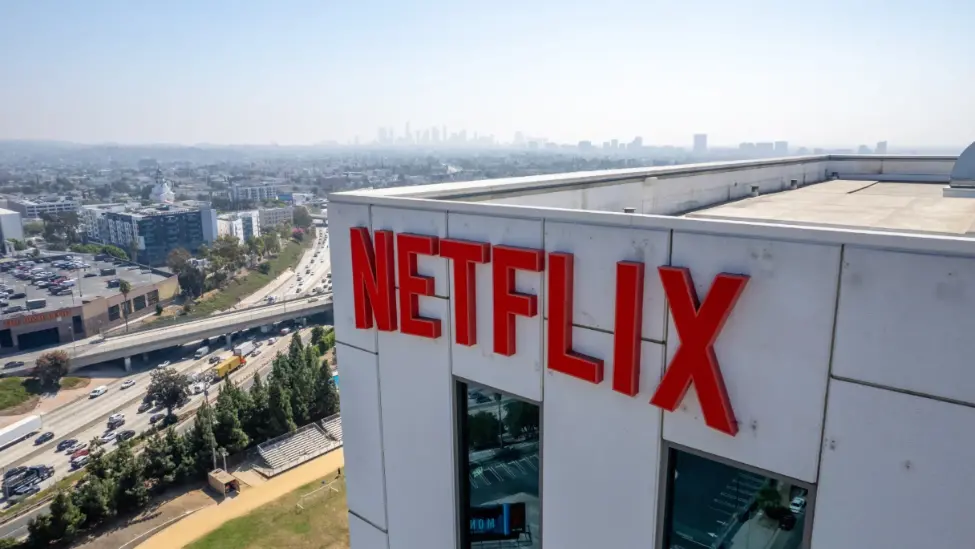
Netflix said it was "not aware of any other investigation into the company's business other than the regular merger review process," adding that it was in constructive communication with the U.S. Department of Justice regarding the review of the proposed transaction.
A spokesperson for Warner Bros. said: "We firmly believe that this acquisition by Netflix will meet all regulatory approval conditions."
The person familiar with the matter pointed out that the review by the U.S. Department of Justice is based on Article 2 of the Sherman Antitrust Act and Article 7 of the Clayton Antitrust Act: the former prohibits illegal monopolistic behavior, and the latter explicitly prohibits transactions that may significantly weaken market competition. It is also a common legal basis for law enforcement agencies to review proposed mergers and acquisitions.
Historically, enforcement applications of Section 2 of the Sherman Antitrust Act have been infrequent, but antitrust law enforcement agencies have revived this provision to conduct relevant reviews in recent years.
Such antitrust review does not necessarily lead to enforcement proceedings, and Paramount's acquisition offer is expected to be subject to similar antitrust review.
Although Netflix is currently ahead of Paramount in Warner Bros.'s acquisition bid, Paramount, which is backed by Oracle billionaire Larry Ellison, has not given up. Not only has it launched a hostile takeover of Warner, but it also threatened to initiate a proxy fight and reorganize Warner's board of directors last month.
Netflix accused Paramount of "misrepresenting" the regulatory review process and said in a statement: "We expect it will continue to focus on appearances over actual results."
Steven Sunshine, a lawyer for Netflix, added that the company "has not received any notice and has no indication that the U.S. Department of Justice is conducting a separate antitrust investigation."
This week, Netflix's co-chief executives attended a U.S. Senate hearing to defend the proposed merger, but lawmakers were skeptical of the streaming giant's claim that the deal would not give it excessive market power.
During the hearing, New Jersey Democratic Senator Cory Booker said he was concerned that Netflix's acquisition would "give it greater control over consumers and lead to a significant reduction in streaming platforms and alternatives on the market."
The proposed deal has also been opposed by some players in the Hollywood industry, including the Writers Guild of America, which made it clear that "this deal must be blocked."
Paramount CEO David Ellison was invited to attend the same hearing, but declined. The U.S. Department of Justice is also currently reviewing Paramount's proposal to acquire Warner Bros., although the Warner Bros. board of directors has repeatedly rejected Paramount's acquisition offer.
U.S. President Donald Trump has made numerous comments about the Warner Bros. acquisition battle. In December, he said that Netflix already has "a very high market share, and after acquiring Warner Bros., its market share will increase significantly," adding that "this may become a problem."
Trump said: "I have decided not to get involved in this matter, and relevant matters will be handled solely by the Department of Justice."