Intel has quietly terminated its "Software Defined Silicon" (SDSi) program, which was previously launched on the market under the "Intel On Demand" brand. The program originally targeted Xeon server processors by paying extra to unlock certain features that were built into the chip but turned off by default. It is reported that Intel has archived the official GitHub code repository of SDSi for Xeon, marking the official end of this attempt.
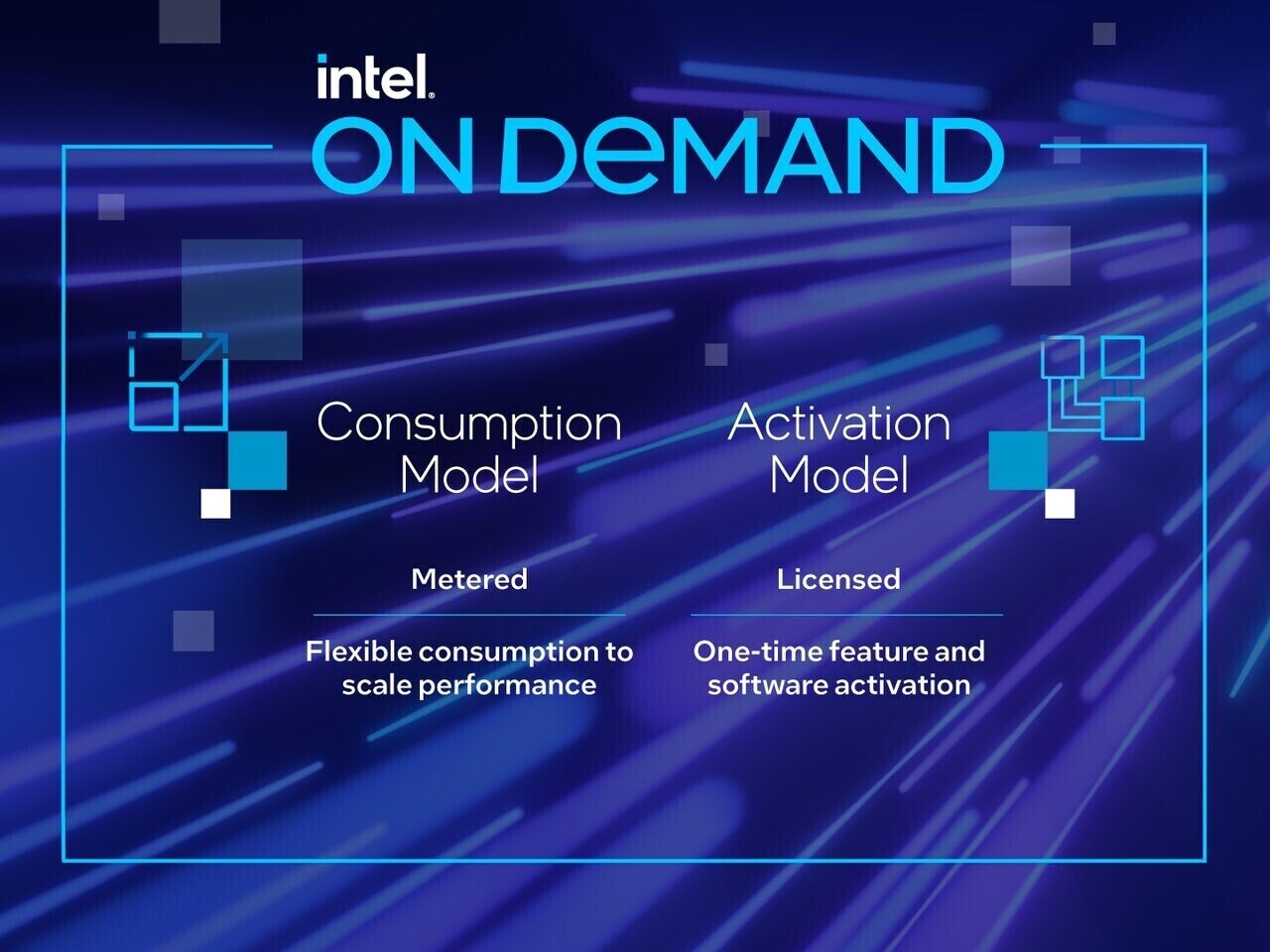
When "Intel On Demand" was first launched, it was regarded as a typical case of introducing the "pay-as-you-go" model in the hardware field: after enterprise customers purchase server CPUs, they can pay to turn on some acceleration and security features based on business needs. However, this model has not been widely recognized in the actual market, and the maintenance of related projects is also scattered. For ultra-large-scale cloud vendors that deploy servers on a large scale, it is considered difficult to reconcile their cost structure and operating model by paying additional fees to unlock functions on already purchased silicon chips. This is also regarded as one of the important reasons for the demise of the project.
From a business logic point of view, the idea of "Intel On Demand" is somewhat similar to the popular subscription services, but the latter is mainly for software and charged on a monthly or annual basis, while Intel is trying to extend a similar concept to one-time hardware function activation. In the concept of this plan, Intel plans to provide acceleration modules such as Quick Assist, Dynamic Load Balancer, Data Streaming Accelerator, and functions such as Software Guard Extensions (SGX) and In-Memory Analytics Accelerator in the form of On Demand. Users can "optional" these CPU acceleration and security features through one-time activation.
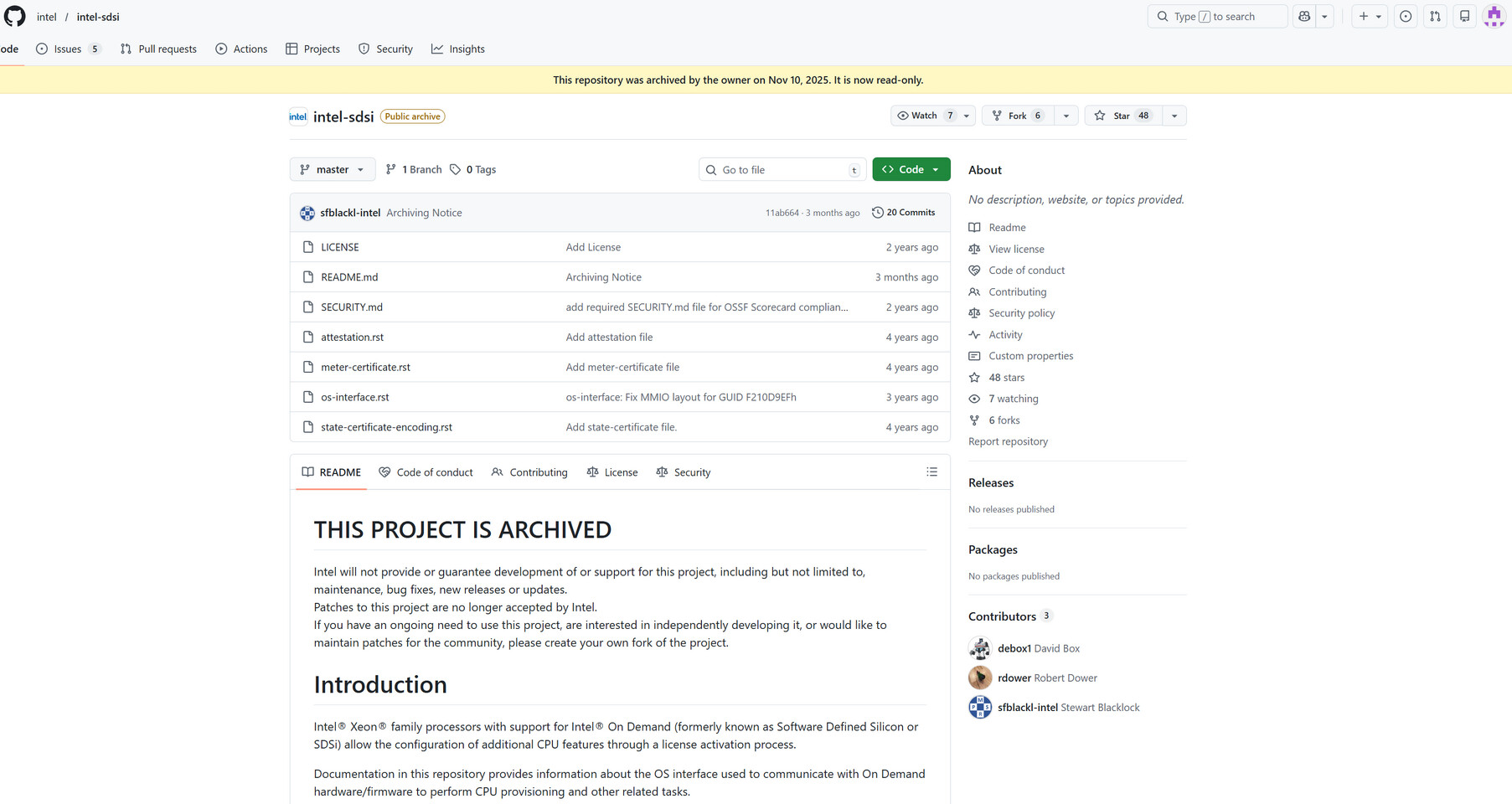
Today, Intel's official On Demand website has been adjusted, and a large amount of relevant introduction content has been removed, leaving only a small number of documents and brief descriptions. Judging from the results, the practice of "locking" hardware functions and then unlocking them through payment has not formed a climate in the industry. The current "pay wall" model is still mainly limited to the traditional software field. Some players and industry insiders were worried that this business model of unlocking by function would reach consumer-grade CPUs. However, as the project was terminated, at least in the foreseeable short term, the possibility of this situation has been greatly reduced.