Recently, Zhao Haijun, co-CEO of SMIC, warned on the blind expansion of global AI data centers during an earnings conference call.It is said that this construction boom without adequate planning may lead to a large amount of idle production capacity and become a pure waste of resources, warning that the biggest bubble in the AI era has already taken shape.
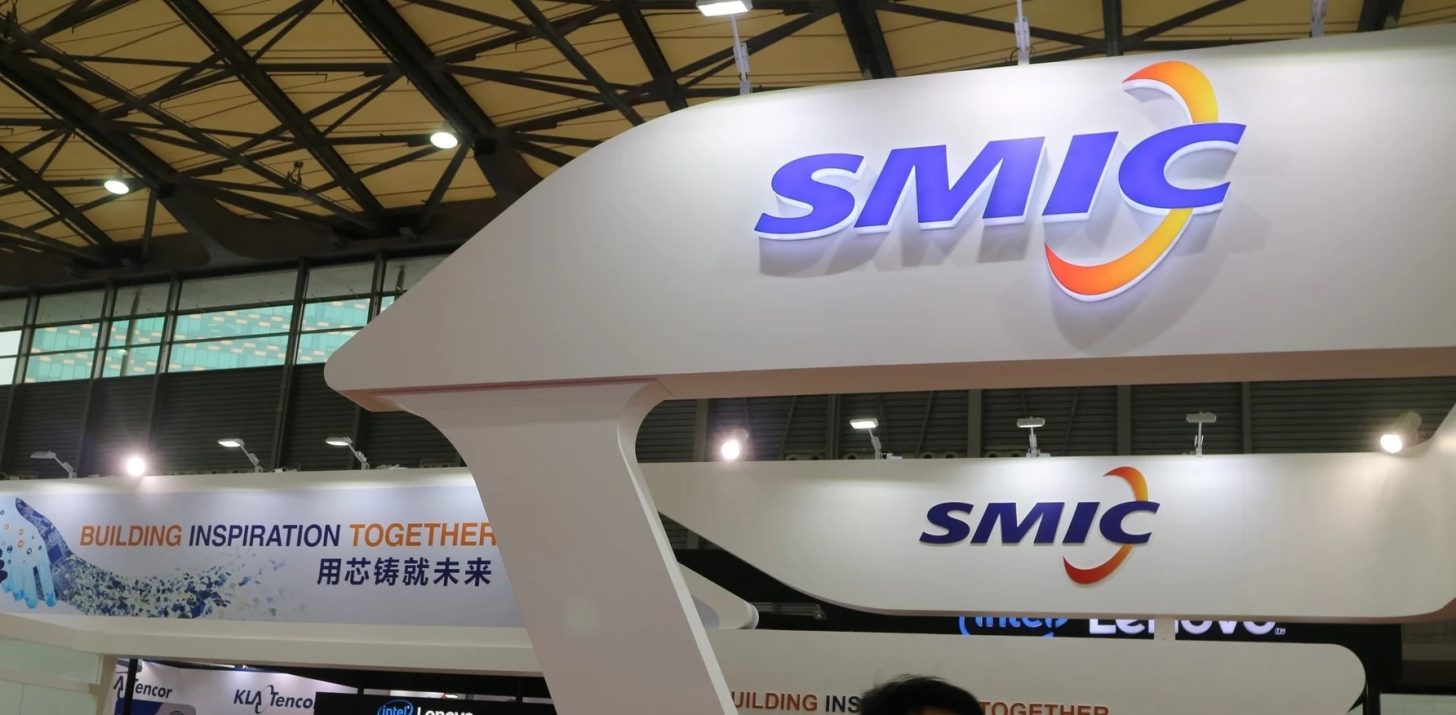
Zhao Haijun said that many companies are currently eager to build data center capacity equivalent to ten years of usage within one or two years, but lack clear thinking about the actual use of these facilities. This phenomenon is reminiscent of the large number of data centers built in the suburbs in the early 2020s. Most of them have not yet found tenants and are in a state of idleness.
The AI boom has spawned a frantic race to build infrastructure. Moody's Ratings predicts that global AI-related infrastructure spending may exceed US$3 trillion in the next five years, with capital expenditures by Alphabet, Amazon Web Services, Meta and Microsoft expected to reach US$650 billion in 2026 alone. China's Alibaba, Tencent, ByteDance and other companies are also actively following up. Behind the huge investment, investors' concerns are increasing.
Zhao Haijun compared the current construction boom to building high-speed rail and highways before traffic growth, emphasizing that infrastructure should match future needs rather than blindly advance.
Historical lessons are worth learning from. During the Internet bubble in the late 1990s, the telecommunications industry invested heavily in laying fiber-optic cables. When the bubble burst in 2002, the utilization rate was less than 5%. The risk in the field of AI is even greater. AI chips used in data centers have a clear shelf life. Meta claims that the effective life of the chip is about 5.5 years. Although NVIDIA claims that the chip is still in use six years ago, the company launches a new flagship chip every year. The depreciation rate of the chip is far faster than expected. Some investors believe that its actual effective life is no more than 2 to 3 years. If demand is not as expected, the waste will be difficult to recover.
The industry generally believes that the penetration speed and impact of AI on various industries are still unknown, which is also the core reason for the prevalence of AI bubble theory.
Zhao Haijun’s warning does not deny the prospects of AI.Rather, it reminds the market to return to rationality and avoid blindly following the trend of construction. Only by matching infrastructure construction with demand growth can we avoid resource waste and allow AI technology to truly empower economic development.