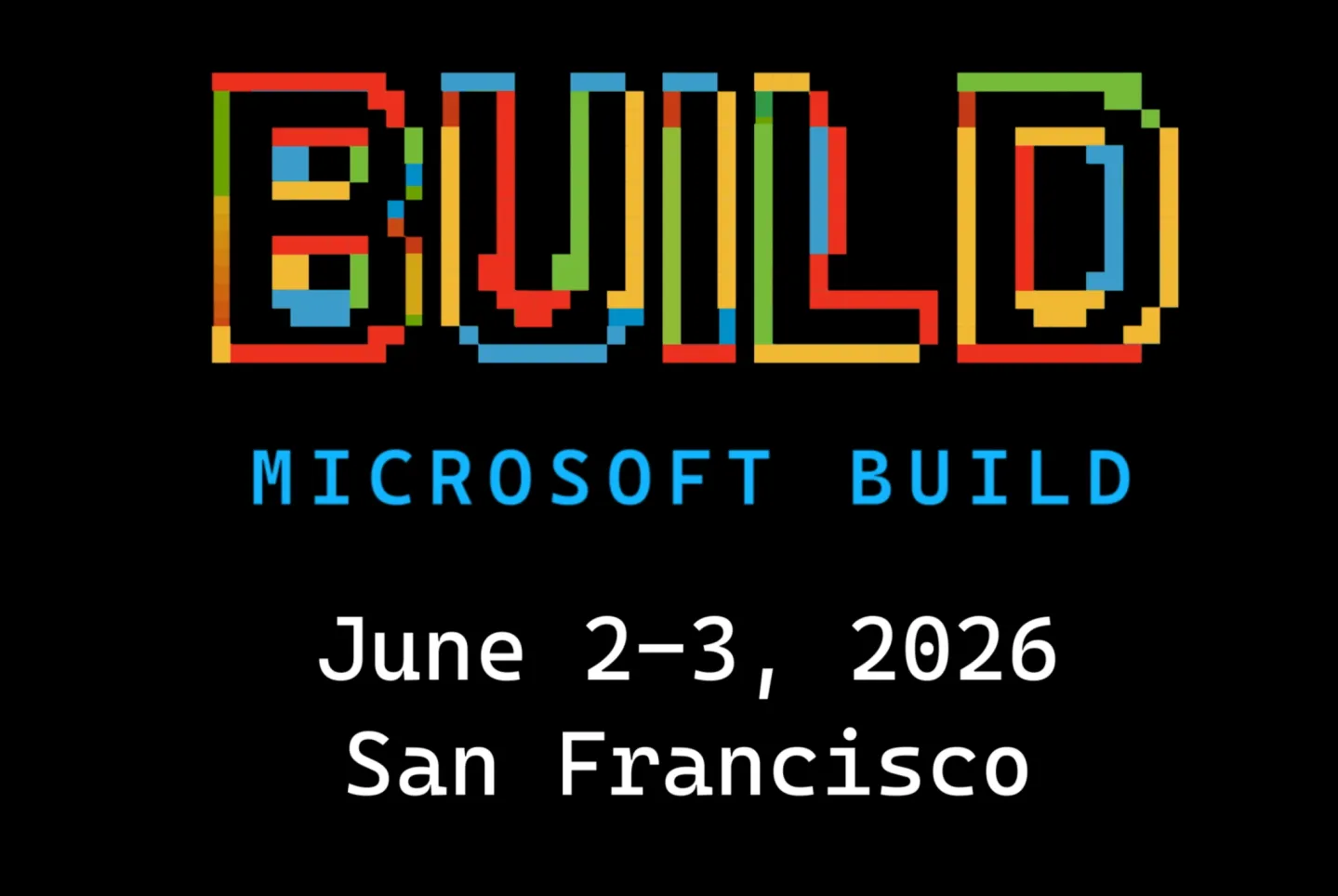
Microsoft announced that it will move its annual Build developer conference from Seattle back to San Francisco and hold it offline at Fort Mason, a former U.S. military base in the San Francisco Bay Area from June 2 to 3 this year. It will be positioned as a smaller, more developer-oriented technology conference. This conference plans to invite about 2,500 developers to participate in the conference, which is lower than the previous level of about 3,000 to 5,000 people. The time has also been slightly moved back from May of previous years.
Kyle Daigle, chief operating officer of GitHub, said in an interview that Microsoft chose Fort Mason as a venue because it valued San Francisco's aggregation effect in the field of artificial intelligence and also hoped to create a more "intimate" communication atmosphere. He pointed out that large conferences emphasize scale and diffusion effects, while smaller conferences are more likely to provide personalized experiences. This time Build is trying to find a balance between the two, making communication between attendees as important as conference content, publishing and technical experience.
This year Build will be strictly focused on developers, which Microsoft says is part of a "bigger adjustment" to the conference's positioning. In the past, Build often took on functions such as Windows-related publishing, and its content was not entirely limited to developer issues. Daigle said that Microsoft hopes to show developers more about the work the company has done, what developers have built on top of it, and the specific ways in which these technologies are used, rather than repeatedly "selling" Microsoft's own and third-party grand visions to attendees.
In terms of conference experience, Microsoft hopes that participating developers can complete the entire process from watching the keynote speech to directly experiencing the demonstration in the same space, and have more frequent opportunities for face-to-face communication. Daigle believes that the site should present a community-centered developer experience, allowing attendees to "bring laptops and practice hands-on practice while listening to releases in the hall" and make progress together through mutual learning and sharing.
This year’s Build will also increase the proportion of external speakers, and some invited guests will also participate in specific technical sessions. Confirmed external speakers include Datasette founder Simon Willison, Thiink’s Priyanka Sharma, AI engineer Shawn Wang, and more. Microsoft’s internal speakers include Microsoft CEO Satya Nadella, GitHub Senior Vice President Jared Palmer, and Vice President of Developer Community Scott Hanselman.
In terms of visual image, Microsoft has launched a new conference logo for the 2026 Build to coordinate with this positioning adjustment and urban relocation. Microsoft hopes to strengthen the recognition of Build as a core developer conference by updating its brand image.
In response to outside speculation about the reason for "leaving Seattle", Daigle denied that the move was related to the negative conference experience in downtown Seattle. He emphasized that Build has been held in multiple cities over the years. Although it has a strong identity binding with Seattle, like software development, Microsoft hopes to learn through "continuous releases and iterations." He said that by “releasing” the conference to San Francisco this time, he hopes to observe what kind of new feedback the developer community in this area will bring, and then decide on the city selection in the next few years. He does not rule out the possibility of returning to Seattle in the future.