Liquid Glass, Apple’s new interface style introduced in iOS 26, macOS Tahoe, and other recent software platforms, looks like it’s here to stay for the long term. According to a report by Bloomberg reporter Mark Gurman in the latest issue of the Power On newsletter, there are no major design adjustments for Liquid Glass in the iOS 27 and macOS 27 versions currently being tested internally by Apple. He also mentioned that Apple's new head of software design, Steve Lemay, was the "core driving force" of the Liquid Glass interface and was "deeply involved" in its development.
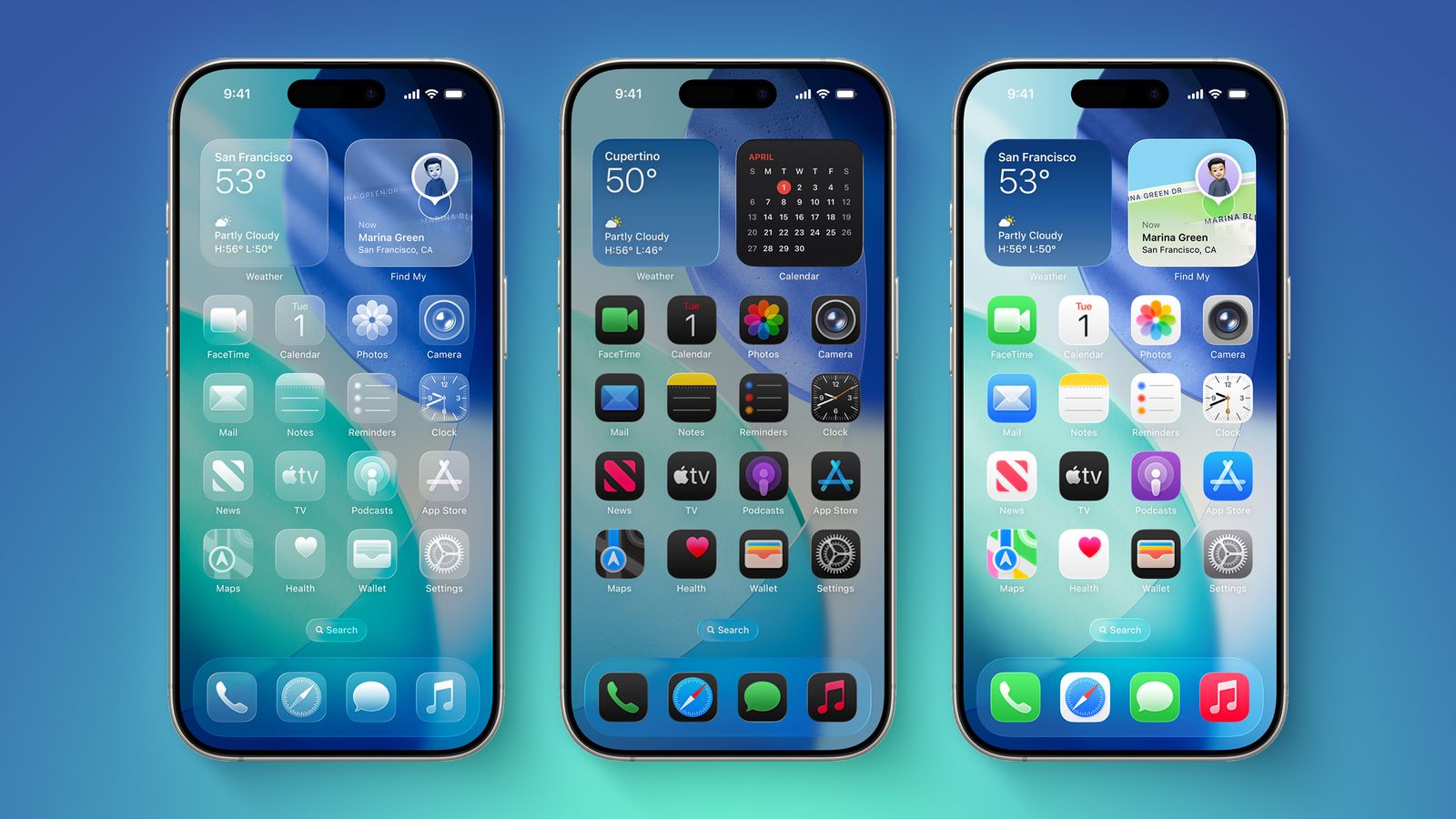
Public information shows that Lemay joined Apple as early as 1999. He replaces former interface design lead Alan Dye, who left at the end of last year to join Meta. Under Lemay's leadership, Apple is widely expected to make incremental improvements around the existing Liquid Glass design language rather than reinventing the wheel. This strategy is similar to the path of iOS 7 that year - iOS 7 abandoned skeuomorphism and turned to flat design, and then continued to polish the details in subsequent versions.
Since the introduction of Liquid Glass, Apple has given iPhone users some limited personalization options through several software updates. iOS 26.1 adds a new option called "Tinted" for increasing the opacity of Liquid Glass elements in the system. The following iOS 26.2 introduced a slider that allows users to individually adjust the Liquid Glass transparency of the clock area of the lock screen.
Gurman revealed that Apple originally tried to add a system-level Liquid Glass transparency slider to iOS 26 for users to adjust system-wide. However, when extending this mechanism to the entire system, the team encountered engineering implementation challenges, so the plan was temporarily shelved. He also said that he does not rule out that Apple will "return to the drawing board" in subsequent iterations and strive to officially implement this system-level slider in an iOS 27 version.
Judging from current signs, Liquid Glass has gradually transformed from a one-time visual overhaul to Apple's mid- to long-term interface design foundation. Under the leadership of the new design leader, iOS 27 and macOS 27 will continue this unified style, responding to user feedback through local polishing and more adjustable parameters, rather than launching a completely different new UI.