At the just-concluded 2026 Game Developers Conference (GDC), a technical topic unexpectedly became the focus of the audience-memory (RAM) shortage. Due to the huge demand for memory resources in AI data centers, the global consumer memory market is experiencing a supply crisis called "RAMpocalypse" by industry insiders, which forces developers to rethink the future path of game development.
The root cause of this crisis is that the world's major memory manufacturers have found that it is more profitable to sell their products directly to AI data centers than to supply them to the consumer market. Because memory manufacturing relies on rare metals, production capacity cannot be increased quickly, resulting in continued tight supply in the consumer market. This chain reaction has already been seen in the actual market: Asus’ new gaming console Ally
Data from market research firm TrendForce shows that since the end of 2023, consumer-grade memory prices have increased by nearly 200%. What’s even more serious is that many participating developers told the media that this supply shortage may continue for at least two years. Affected by this, there are rumors that the release of the next generation of game consoles may be delayed to avoid exorbitant costs that will turn away ordinary players.

According to on-site media reports, at the GDC venue, memory shortage has become an unavoidable topic for almost every developer. “If you don’t bring it up in the conversation, it’s because the other person brought it up first.” This is how a participant described the popularity of this issue.
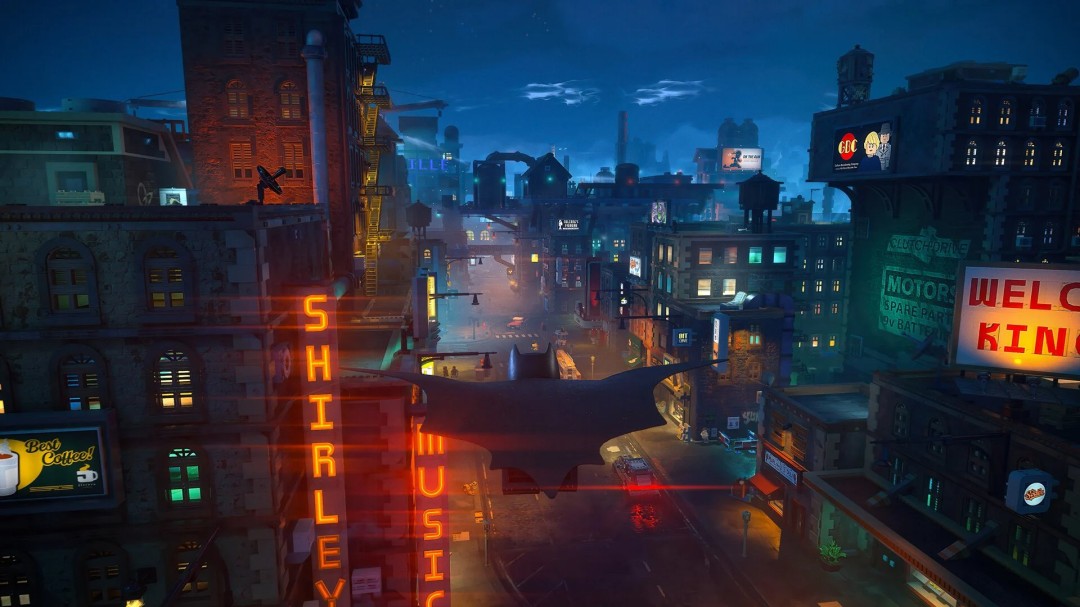
In this context, game optimization capabilities are becoming the most urgently needed skills for developers. A typical case is that "Lego Batman: The Dark Knight Legend", which was originally planned to recommend 32GB of memory, had to lower its configuration requirements to 16GB. However, according to the Steam hardware survey, most players still only have 8GB of memory, and their willingness to upgrade in the short term is low.
Many developers said at the symposium that studios need to adjust their development strategies and can no longer assume that players will upgrade their hardware according to game needs. This means that developers may need to re-embrace technical means that they tried to "optimize away" in the past, such as dynamic loading of resources and loading screens, to ensure that the game runs smoothly on existing hardware.
Some practitioners pointed out that this round of memory crisis may become a "watershed moment" in the gaming industry. It highlights the risks of blindly pursuing hyper-realistic image quality and pushing each game to the technical limit. In the future, how to find a balance between technological innovation and hardware reality will become a topic that every development team must face.