Encyclopedia Britannica and its subsidiary Merriam-Webster Dictionary have sued OpenAI in Manhattan federal court, accusing the company of misusing its reference materials to train artificial intelligence models. Encyclopedia Britannica said in the indictment filed on Friday that Microsoft-backed OpenAI used its online articles, encyclopedia entries and dictionary entries to train its flagship chatbot ChatGPT to respond to user commands and use artificial intelligence-generated content summaries to "cannibalize" Britannica's website traffic.
Spokespersons for the two companies did not immediately comment Monday on the lawsuit.
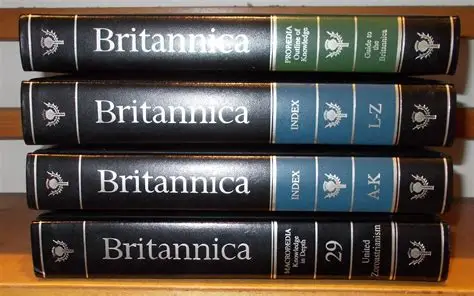
The case is one of many high-stakes lawsuits brought by copyright owners, including writers and news outlets, against tech companies for using their material to train artificial intelligence systems without permission. Encyclopedia Britannica filed a related lawsuit against artificial intelligence startup Perplexity AI last year, and the case is still pending.
Artificial intelligence companies argue that their systems are fair use when they transform copyrighted content into something entirely new.
Encyclopedia Britannica claimed in the lawsuit that OpenAI illegally copied nearly 100,000 of its articles for training the GPT large language model. The indictment states that the content generated by ChatGPT is "almost word for word" identical to Encyclopedia Britannica entries, dictionary definitions and other content, diverting users who would otherwise visit its website.
Encyclopedia Britannica also accused OpenAI of infringing on its trademark, implying that it was authorized to copy relevant content, and improperly citing Encyclopedia Britannica in the false "illusion" of artificial intelligence.
Encyclopedia Britannica seeks undetermined financial damages and an injunction to stop the infringement.