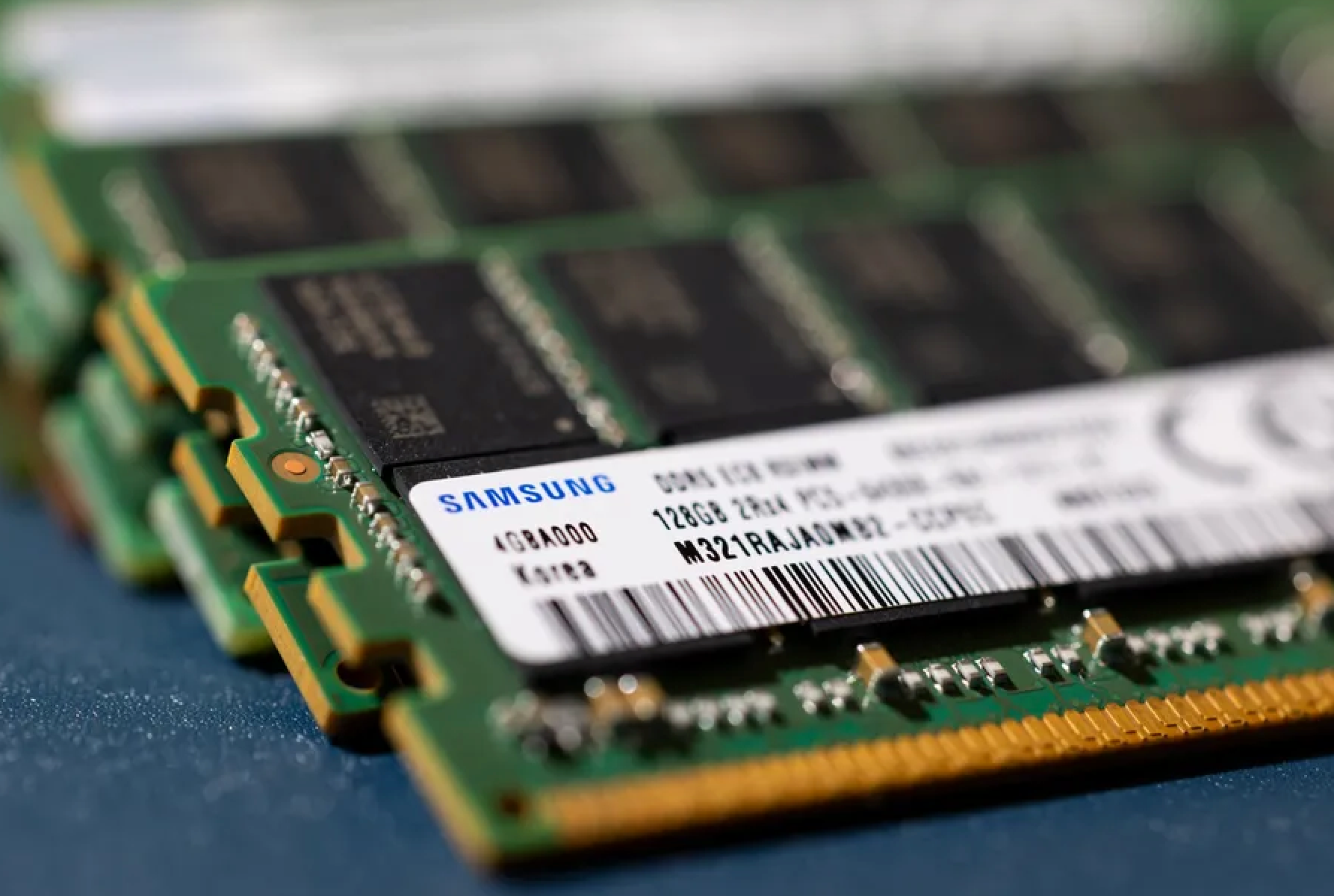
Samsung Electronics co-CEO Jeon Young-hyun said on Wednesday that chip demand will continue to be strong this year, driven by the wave of artificial intelligence, but rising memory chip prices may affect shipments of computers and mobile devices. Jeon said the company is working with major customers to convert traditional annual or quarterly supply agreements into multi-year contracts of three to five years to mitigate the impact of cyclical demand fluctuations.
Samsung is now an important partner of Nvidia in artificial intelligence infrastructure, he said, citing a speech at Nvidia's GTC developer conference, where Nvidia CEO Jensen Huang announced a foundry partnership with the Korean company and praised its HBM4 chip.
Quan Yongxuan said that the industry is entering an "unprecedented super cycle" driven by growing investment in artificial intelligence infrastructure. But he also expressed caution about market concerns about the artificial intelligence bubble, and pointed out that power supply constraints are also a major bottleneck facing artificial intelligence data centers.
"We expect the business environment to be very favorable due to the growing demand for artificial intelligence and the resulting shortage of memory supply," Jeon Young-hyun, who oversees the company's chip business, told the company's annual shareholder meeting in Suwon, south of Seoul.
"However, risk factors remain, including uncertainty in the global macroeconomic environment, such as tariff issues and the cost burden of equipment such as televisions, mobile phones and home appliances," he added.
At last year's shareholder meeting, Jeon apologized for Samsung's initial miss out on the artificial intelligence chip market and tried to appease disappointed shareholders.
But things have improved since then, with traditional chip prices soaring and Samsung's gap with SK Hynix in developing high-bandwidth memory (HBM) chips narrowing.
"The situation couldn't be better," shareholder Oh Bong-gyu, 51, said before Wednesday's shareholder meeting, citing the rise in Samsung's stock price. "But I'm a little worried about Samsung's union and the burden it puts on management."
Samsung's union is threatening to disrupt chip production as members vote on a strike plan in May amid growing employee dissatisfaction over a pay gap with its main rival.
Jeon acknowledged that Samsung lags behind rivals in wage competitiveness as weak earnings from its chip business affect performance bonuses.
"However, since last year, as the competitiveness of our semiconductor products has returned and performance bonus payments have also shown a recovery trend, we expect the wage competitiveness gap to narrow," he said.