Fast Technology reported on March 20 that the rice research results of the team of academician Han Bin and the team of researcher Wang Jiawei of the Center for Excellence in Molecular Plant Science of the Chinese Academy of Sciences were published on the cover of the international academic journal "Science".This study cloned for the first time the key gene EBT1 that determines the perennial life habits of wild rice, clarified the molecular mechanism of the transition from perennial to annual during rice domestication, and successfully created perennial "wild rice-like" plants.
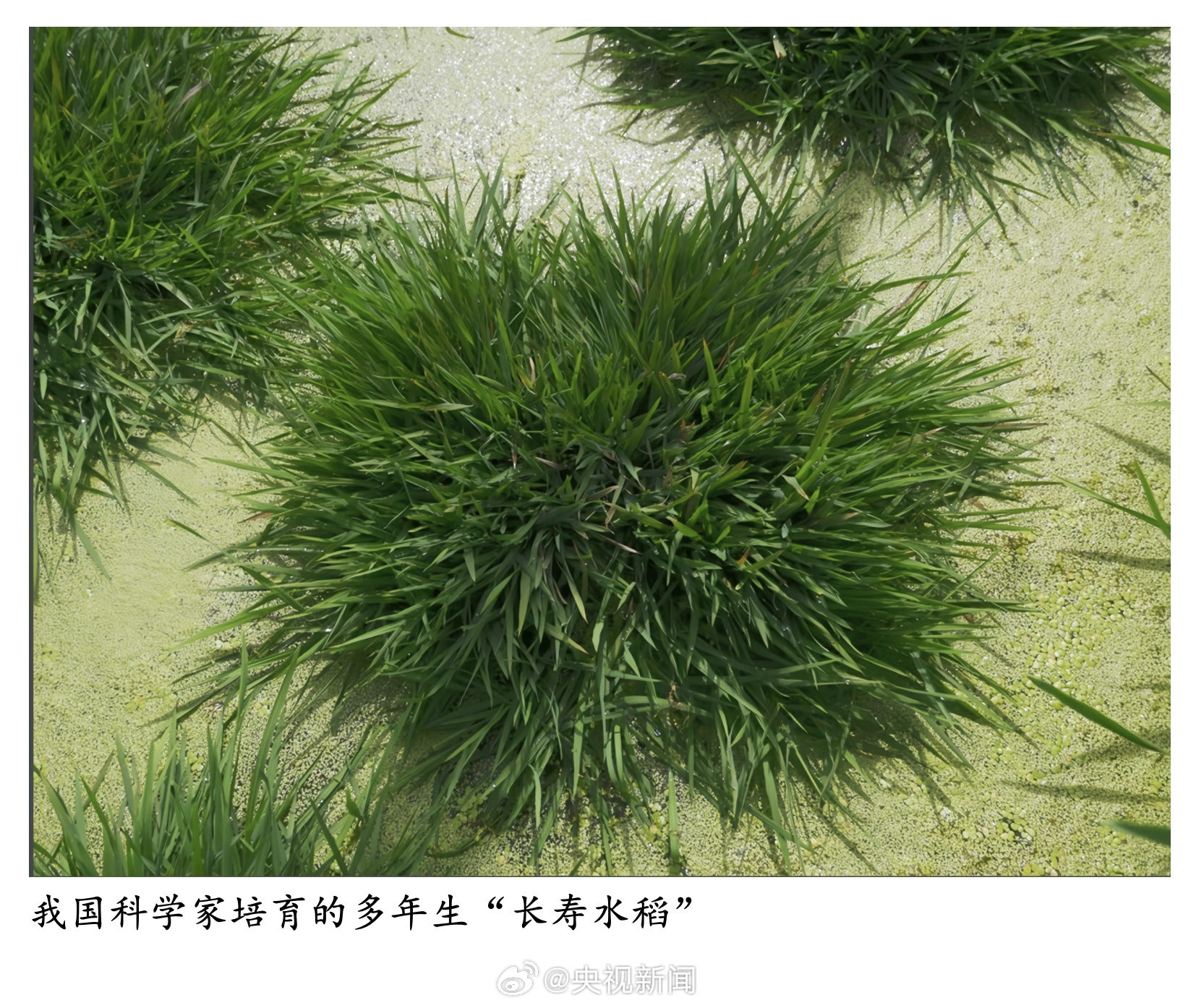
Cultivated rice is a core annual food crop in the world, but its ancestor, common wild rice, is a perennial creeping plant. The reason for this domestication transition has been an unsolved mystery before.
The research team first conducted a systematic phenotypic examination of 446 wild rice resources, and then constructed a chromosome replacement line by crossing the perennial Dongxiang wild rice W1943 with the annual cultivated indica rice Guanglu Ai No. 4. Through forward genetics research and fine map cloning technology, they finally located and cloned the key gene EBT1.
Research has found that EBT1 is the core for wild rice to achieve perennial growth. This gene can be reactivated after wild rice seeds mature to achieve physiological age reset and asexual reproduction.When humans domesticated rice, in pursuit of high yield and compact plant type, they inadvertently "discarded" this gene, causing cultivated rice to become an annual crop.
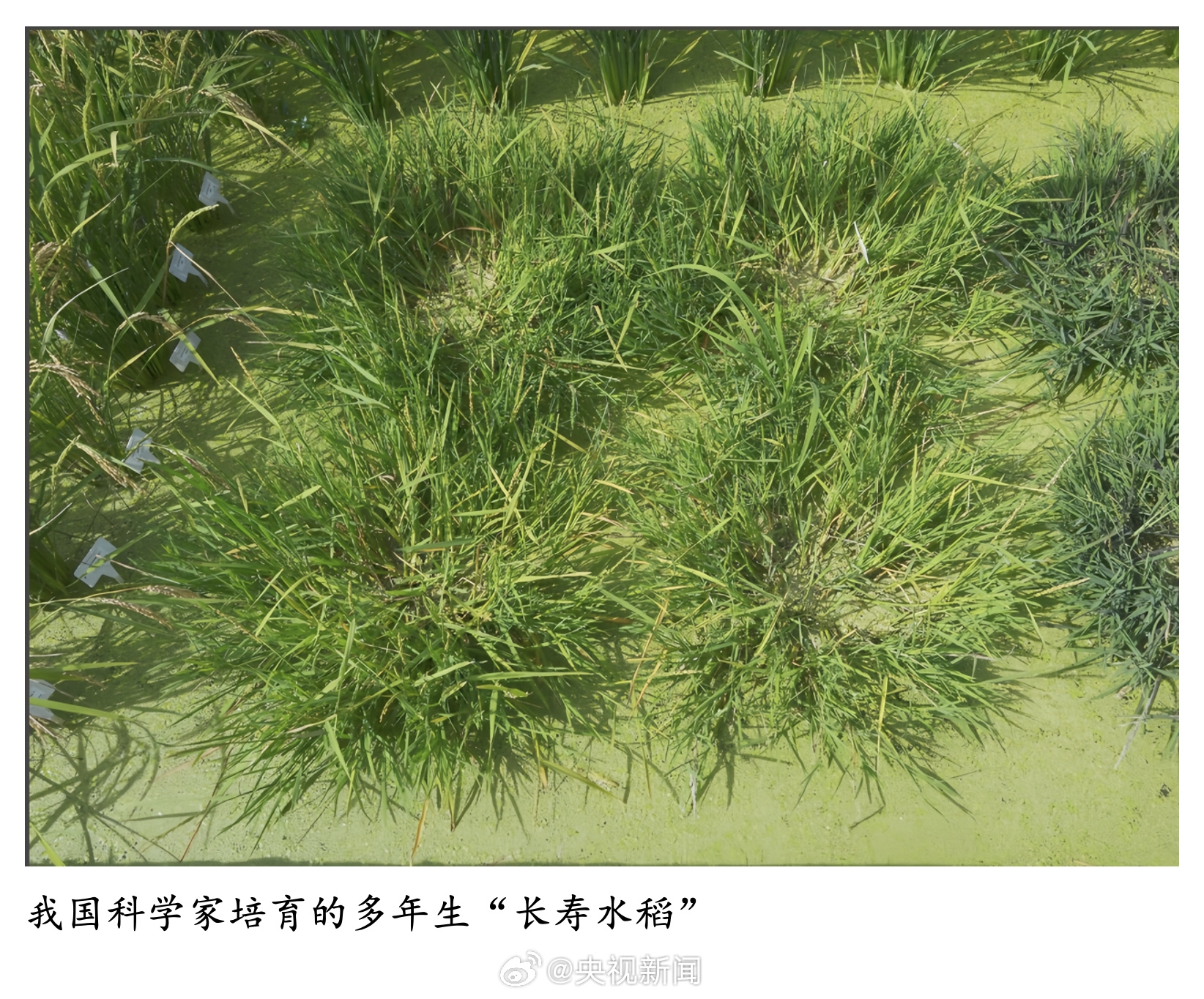
Based on this, the team aggregated EBT1 with two known rice prostrate genes to create a "wild rice-like" plant that can reproduce the phenotype of wild rice. It has strong vegetative reproduction ability and has survived in the Hainan field environment for at least two years.
This research not only deepens human understanding of the evolution of plant life history strategies, but also provides important theoretical basis and genetic resources for perennial chemical improvement of rice varieties and regeneration rice breeding.
The perennial rice developed in the future is expected to be able to "plant once and harvest for many years".It greatly saves farmland, labor and seed costs, while reducing water and soil erosion, and has important application value in agricultural production.