The White House is expected to formally submit its ideas for regulating artificial intelligence (AI) to the U.S. Congress on Friday, taking a new step toward regulating this critical technology at the federal level, according to people familiar with the matter. Sources said that this plan will be presented in the form of a framework opinion as the basis for future legislation and supervision, focusing on how to strike a balance between promoting innovation and preventing risks.
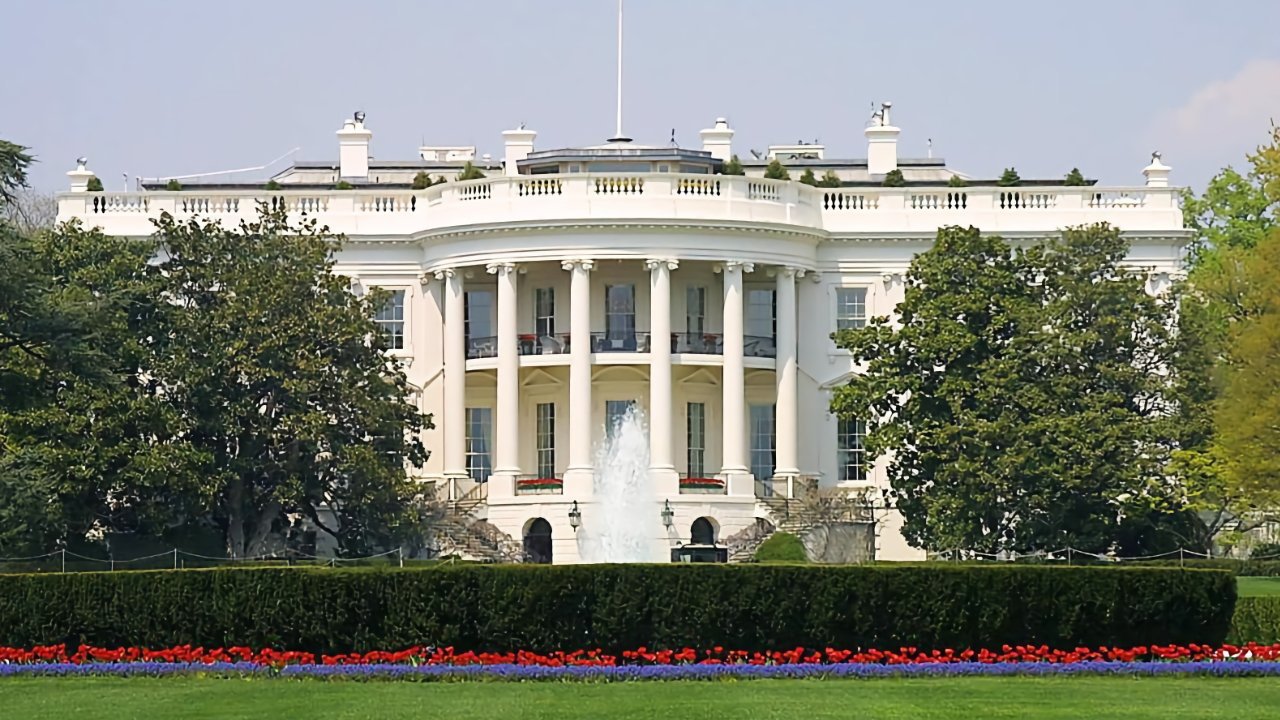
The White House's action is seen as a key step in providing policy guidance to Republican members of Congress, who have been seeking a clearer stance from the administration on AI regulation, people familiar with the matter said. However, differences within Congress around a series of core issues such as privacy protection, division of corporate responsibilities, and boundaries of state and federal powers are still sharp. The crux that has plagued the AI legislation process for many years is difficult to resolve in the short term.
From the perspective of the industry and policy circles, as AI technology rapidly penetrates into many fields such as economy, national security, and social governance, unified rules at the federal level have become the focus of common concern of all parties. The framework to be announced by the White House is not only expected to be a starting point for breaking the legislative deadlock, but it may also further expose long-standing policy gaps between parties when it comes to sensitive issues such as platform responsibility, algorithm transparency and data use rules.
Current public information shows that the specific terms of the White House plan have not yet been fully disclosed, but sources emphasized that this framework is more of a "suggestion" and aims to provide a roadmap and discussion basis for subsequent in-depth negotiations in Congress. Many observers predict that even if the framework is delivered to Congress as scheduled on Friday, the bipartisan debate over key provisions will continue for a long time, and the final direction of U.S. legislation on AI regulation is still full of uncertainty.